
Sponsored

Raptor Family

Well-Known Member
First Name
Jeff
Joined
Apr 2, 2025
Threads
5
Messages
113
Reaction score
221
Location
Dallas, Texas
Vehicle(s)
‘25 Ranger Raptor, ‘97 Jeep Cherokee, ‘24 Lexus NX450h+
Occupation
retired
IMG_2787.webp


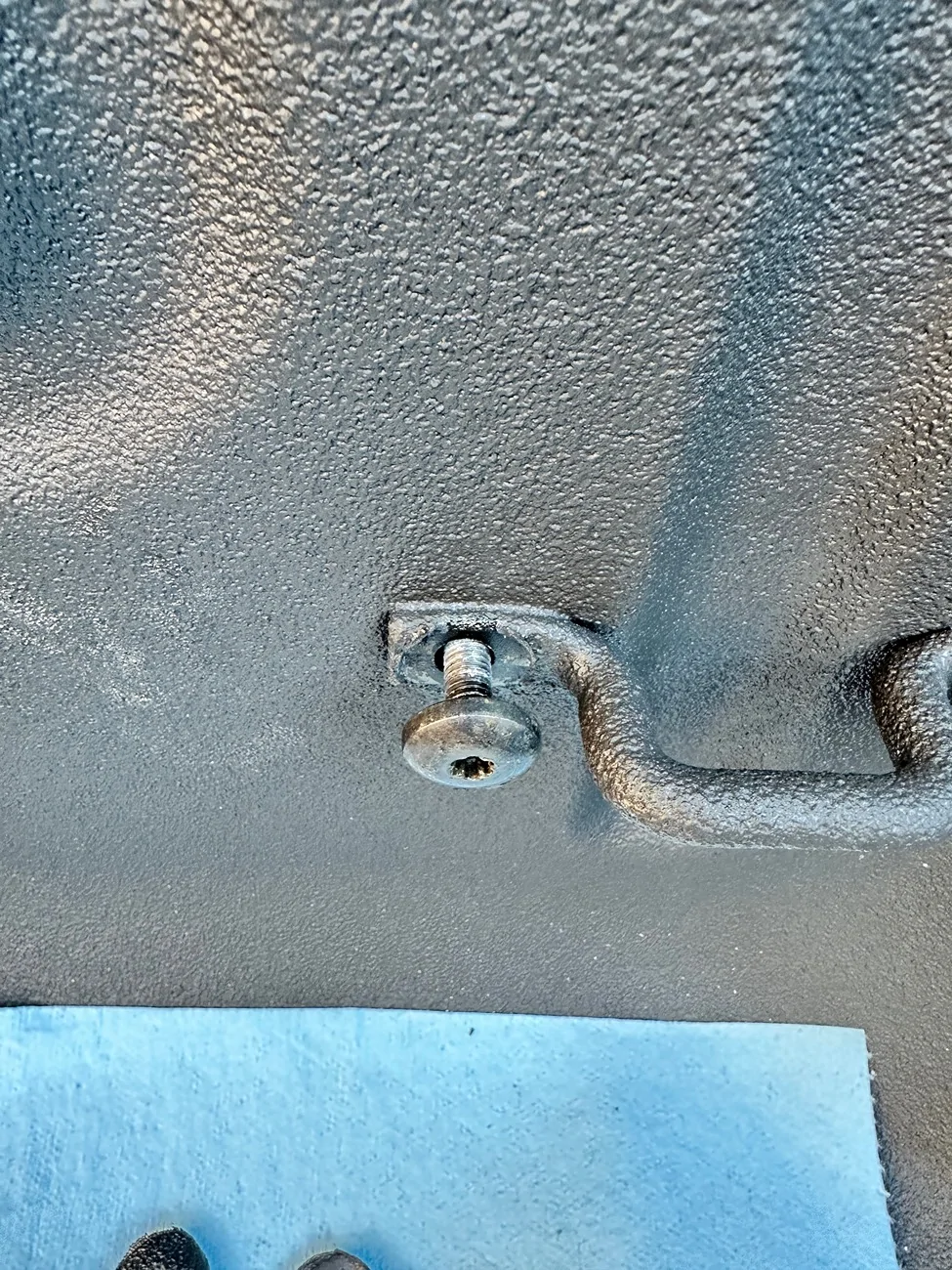
I have seen multiple pictures of torched bedliners, heat bubbled paint, various scratch marks from vise grips and pliers. Broken screws drilled off-center and basically, just a waste of time and destruction of our trucks to get the thread-locked TP40 screws off our tie-downs. My truck has factory bedliner that completely cover the screw heads almost gluing them to the tie-down bracket and filling the Torx opening. I spent 30 minutes trying to get the bedliner out of the hole of one screw and did a horrible job—-NO MORE—

This is an easy method of removing those horrible tie-down screws. No cleaning the screw heads at all—heat the screw head, and the bedliner pops of the screw like a little mushroom head of bedliner.

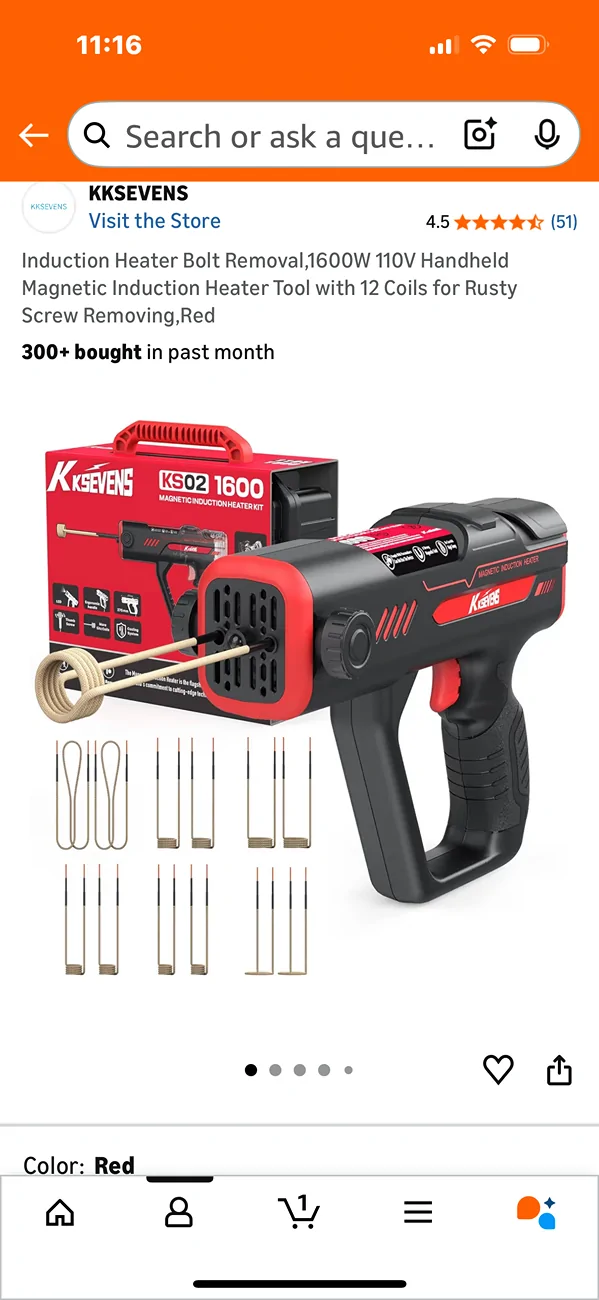
This method involves the use of a Magnetic Induction Heater Tool—which is specifically designed for removing rusty and stuck Nuts, Bolts, and Screws. These tools are on sale at Amazon from $140-$240.. The tool I used was a KKSEVEN 1600watt, pistol grip, which was delivered overnight from Amazon ($240). I think this is a bargain. If you are a DIYer and snap off a couple of screws, you are going to pay a professional twice as much as this tool costs, and probably still have a burned and heat bubbled finish if a torch or open flame is used.

Induction heating rapidly applies extremely high heat in a precise location. It doesn’t heat aluminum (what our truck beds are made out of), or paint, bedliner, etc—and only heats the steel screw head inside the heating coil—in this application, just the head of the TP40 screw is heated and the heat flows down length of the screw and softens the thread locker. Minimal heat transfers to the tie-down or the bed.

Just a note: if you watch the manufacturer’s video on how to use the tool, they show applying heat for 25 seconds on an extremely stuck rusty nut—the nut turns red hot after about 20 seconds—don’t do that. I did a trial test on a 1/4x20 brand new zinc plated bolt. It went red—and almost white hot in 25 seconds. It burned all the zinc plating off and destroyed the grade 8 hardening of the bolt turning it to junk.


This is the unit I bought
IMG_2778.webp


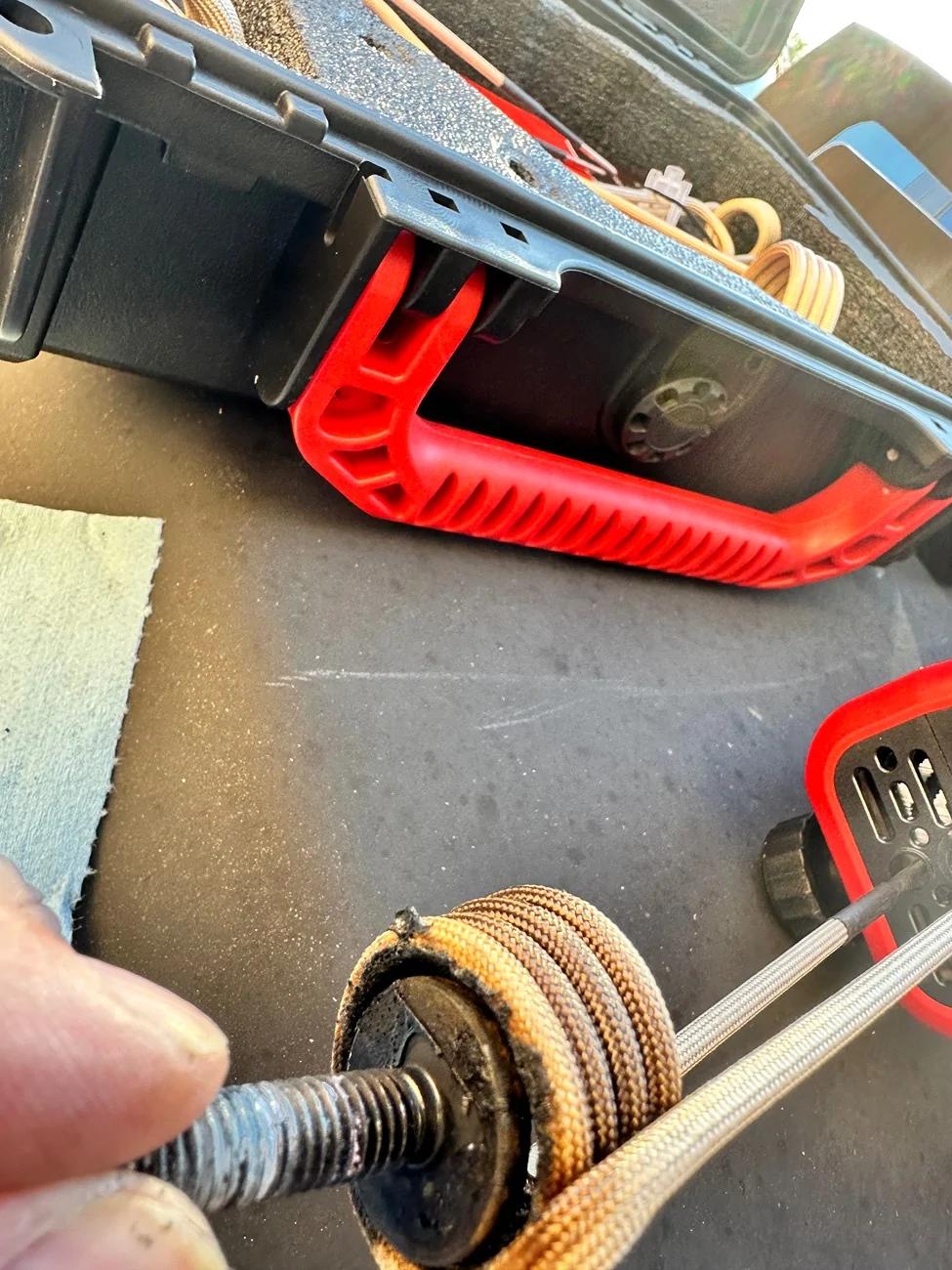
Select a slightly larger heating coil. I had to slightly unwind this one to fit.
IMG_2802.webp


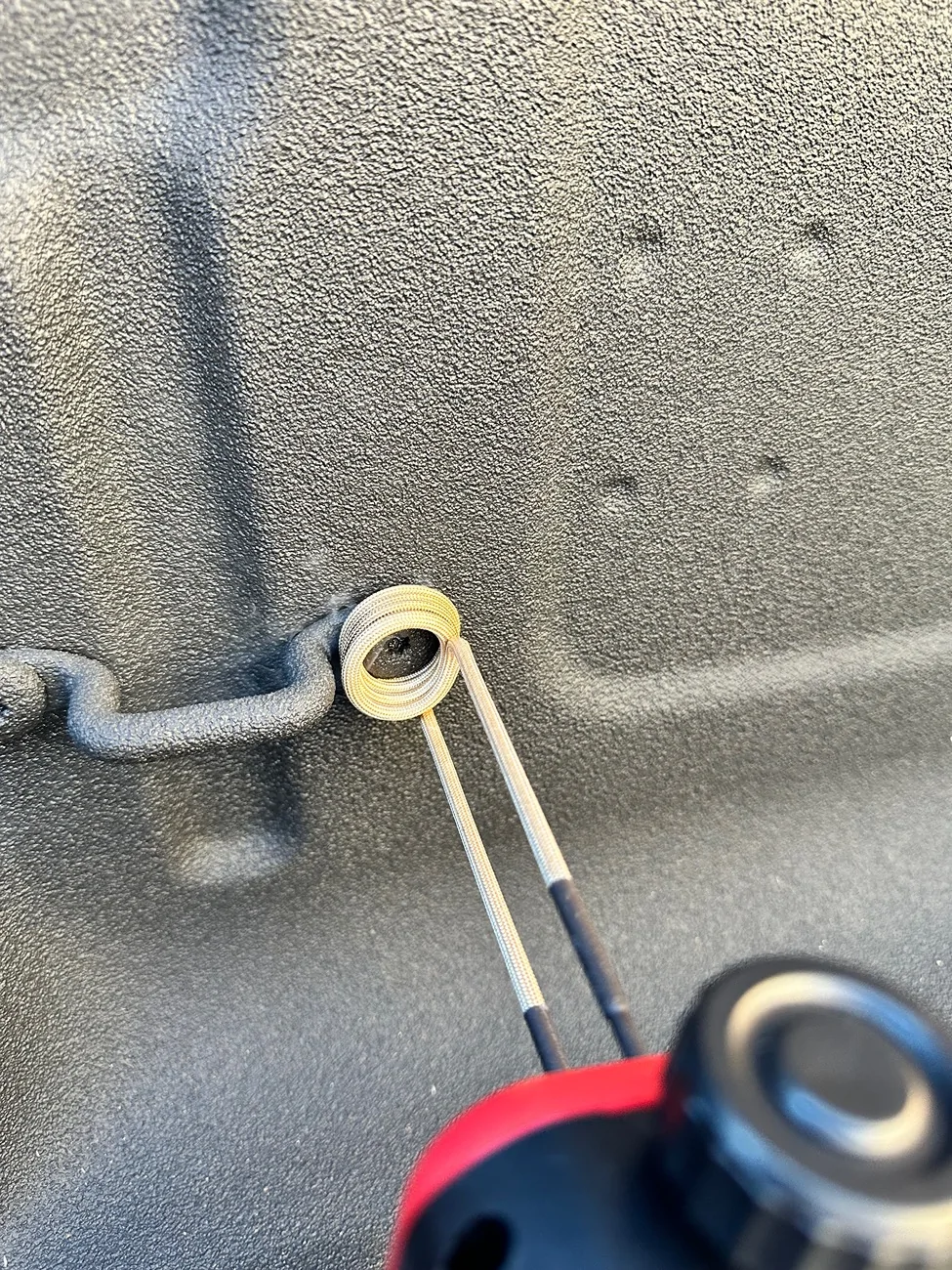
Place the heater coil over the screw head with power on for about 10 seconds, wait about 10-15 seconds for the heat to flow down the screw and soften the thread locker. Apply heat for another 10 seconds and when you remove the heat, the bedliner on the head of the screw will just pop off the head—perfectly clean little mushroom head of headliner. That is the bedliner pop-off on the tie-down below—it looks like the head of the screw—and it has the liner that was inside the Torx hole removed.

IMG_2784.webp


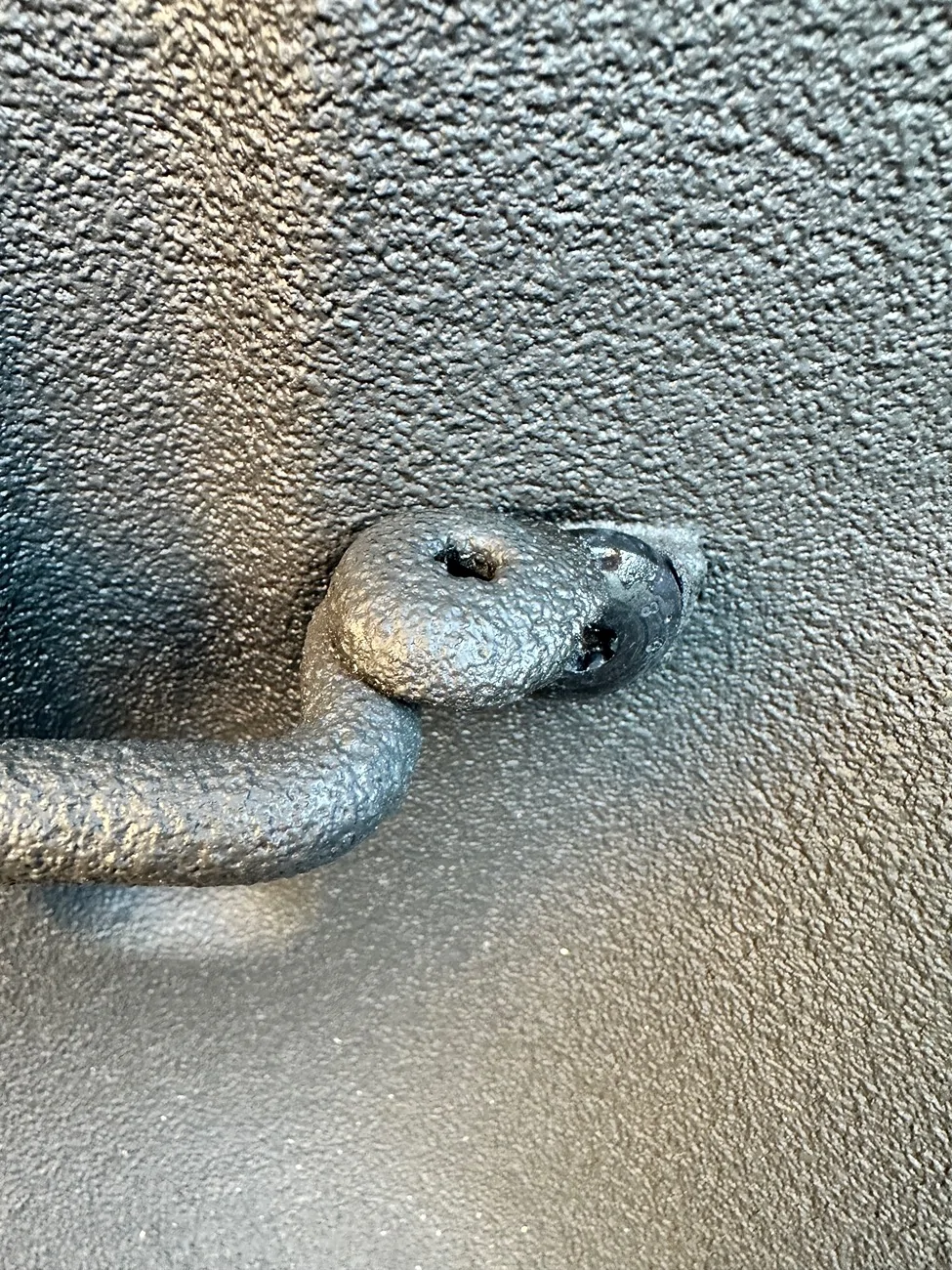
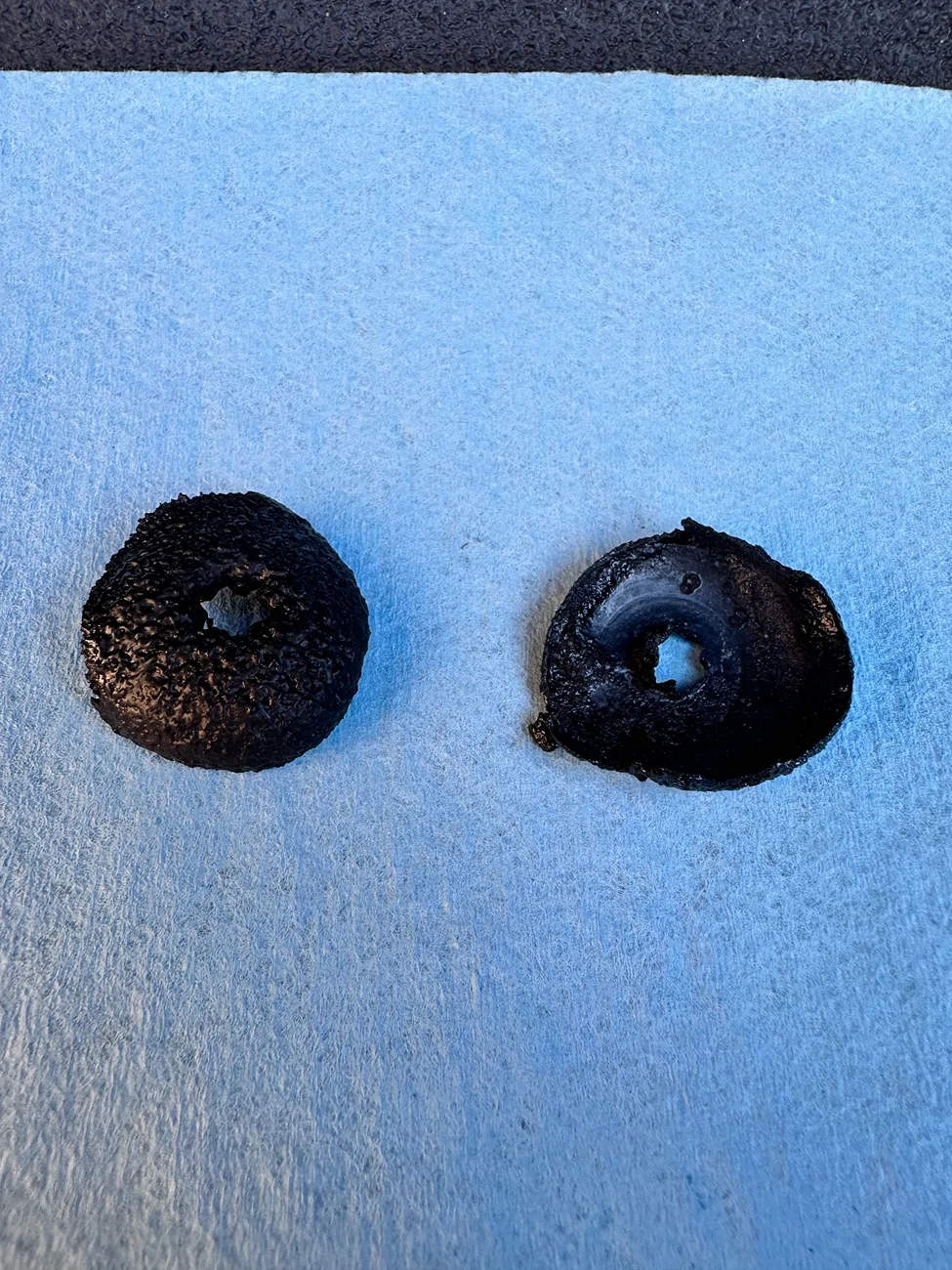
Bedliner from head of screw—when you heat it just right—it just pops off as a single piece with little to no residue.

IMG_2780.webp


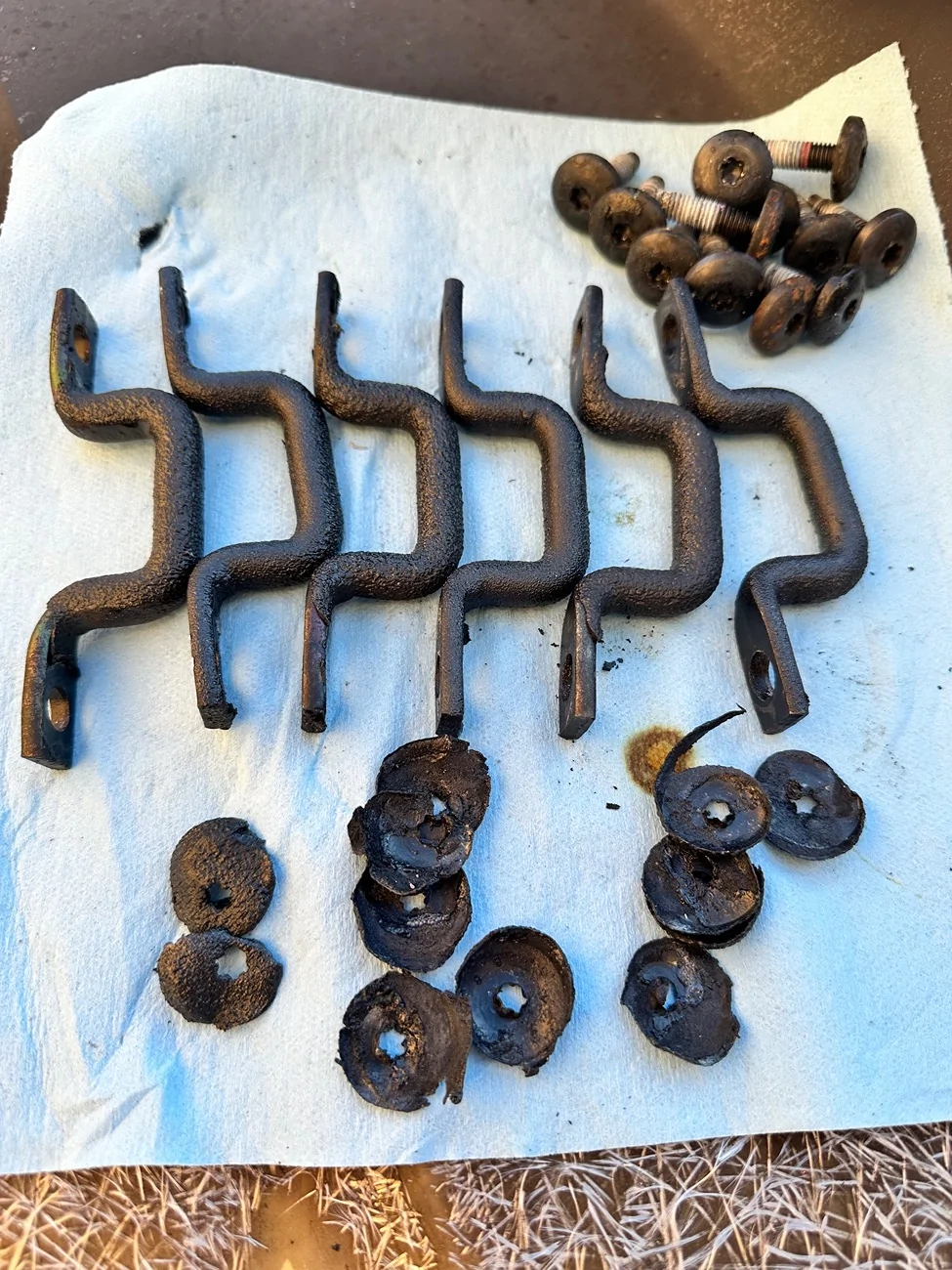
It took less than 20 minutes to remove all of the tie-downs. I placed them in a can of lacquer thinner overnight to remove all remnants of bedliner. Some of the black oxide heads were rusted under the bedliner. I think I will powder coat the heads before reinstallation.

IMG_2804.webp


I found the 10 seconds pause, 10 second to work almost perfect—but I went through about half of them before I figured it out. Once the screw starts coming out. It should be easy—if it starts to get tight again. Just apply heat for another 10 seconds. You should only have a small amount of smoke—mainly from the bedliner on the head—a whole lot of smoke indicates you did it too long.

hope this helps
IMG_2781.webp
Sponsored

 
Last edited by a moderator:

ShadowDragon24

Well-Known Member
First Name
Tyler
Joined
Apr 20, 2025
Threads
6
Messages
569
Reaction score
527
Location
Newfoundland and Labrador, Canada
Vehicle(s)
2025 Ranger XLT Fx4
Occupation
Heavy Equipment Operator
Nice. I used a utility blade, went around the bolt head at the tie down, and used an 90° oring pick and the whole linger head popped off the same as that. for thr budget person that cant drop on one thise atm.

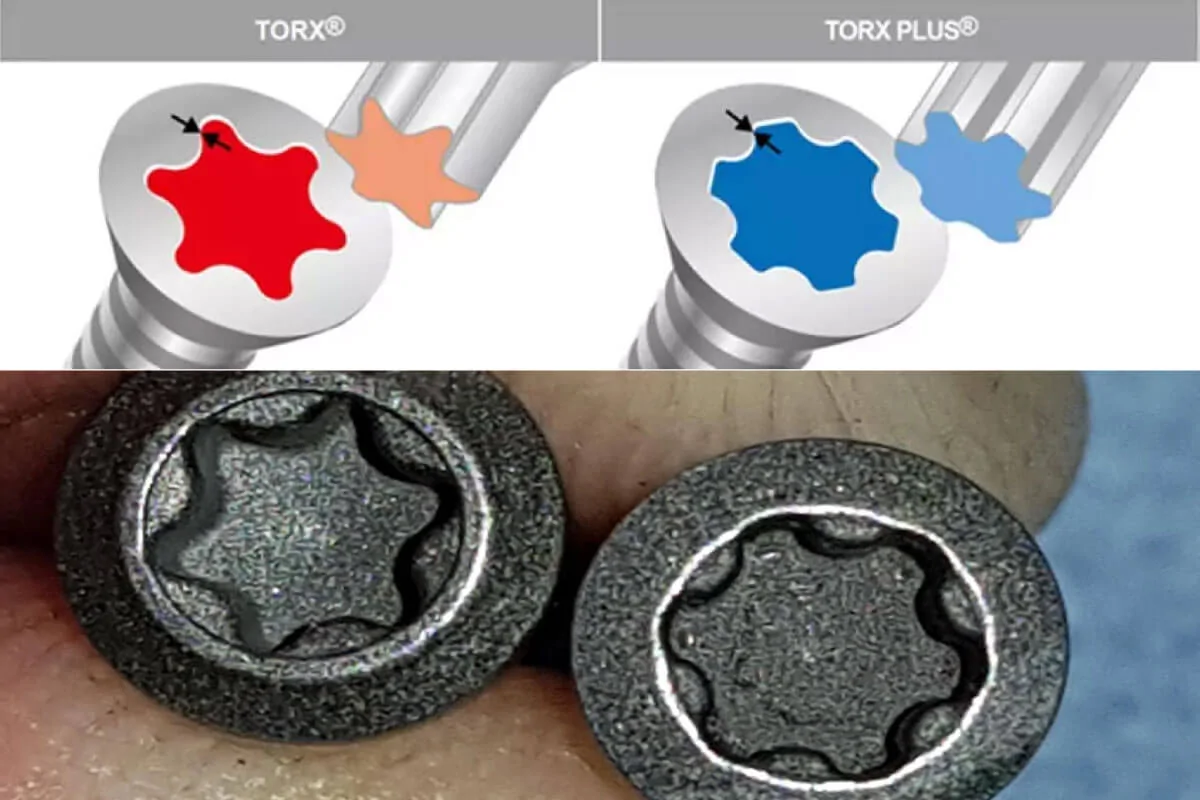
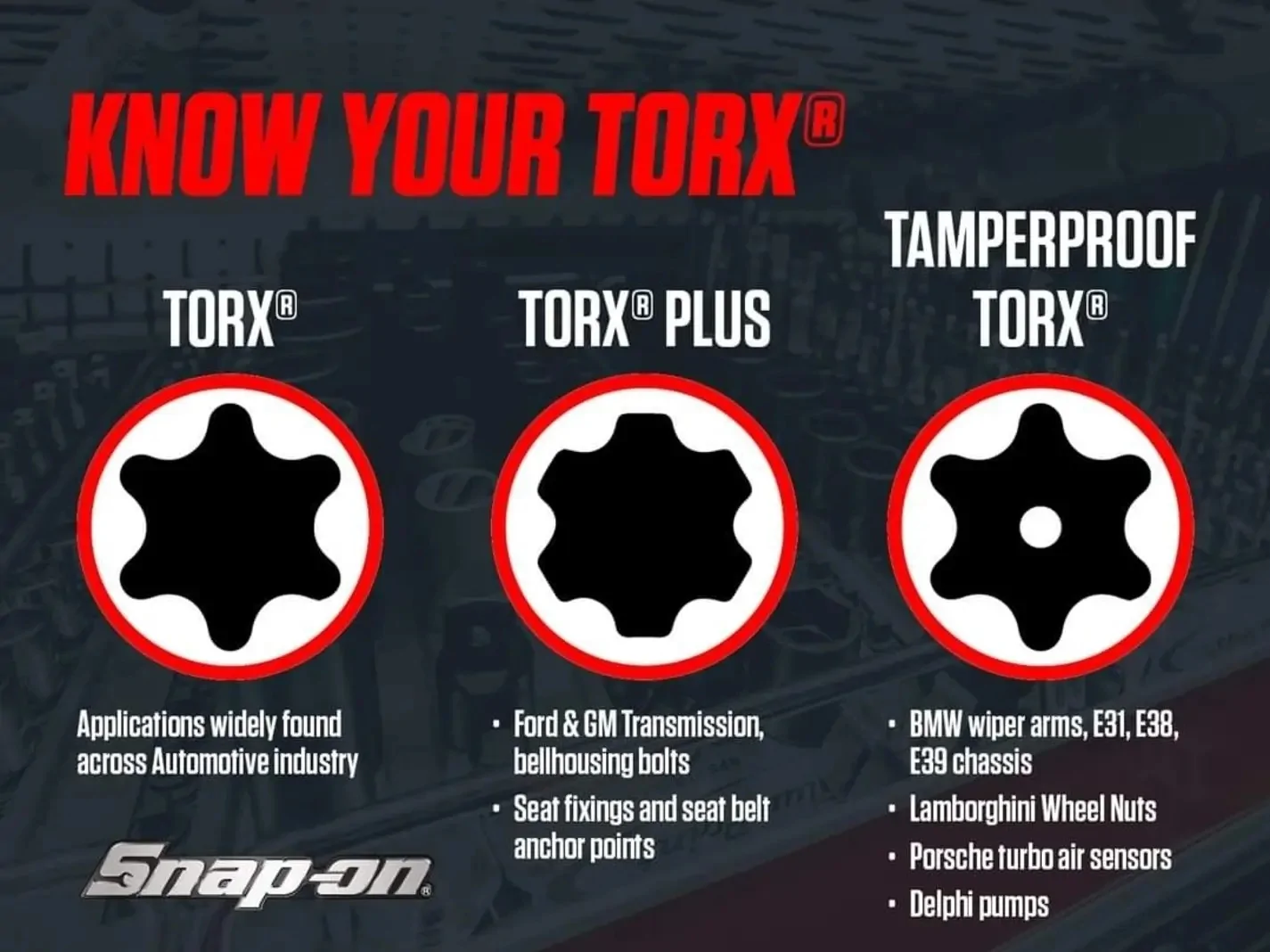
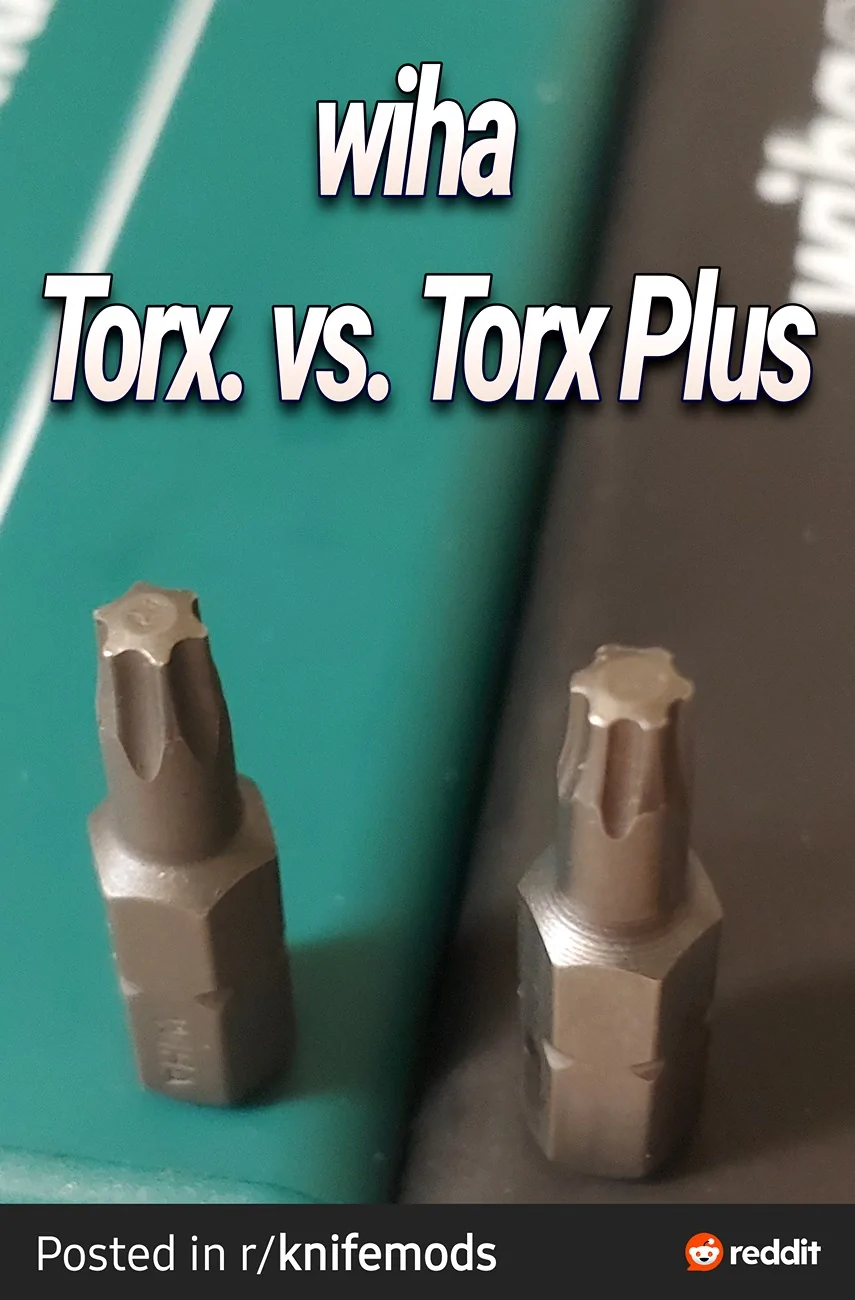
I will say for those going st this. PICK UP A TORX PLUS BIT!!!! I stripped out the torx on 4 bolts... 3 of them where reinstalling them... with a regular t40. then using the tp40 I didnt strip a one.
 

embedded rock

Well-Known Member
Joined
May 6, 2023
Threads
15
Messages
638
Reaction score
672
Location
Earth
Vehicle(s)
One truck, two motorcycles
Hadn't heard of the torx "plus" size bits. Useful to know for sure. Using Torx for the past 40+ years, I thought some of them just sucked. Wonder how long the "plus" has been around.
 

ShadowDragon24

Well-Known Member
First Name
Tyler
Joined
Apr 20, 2025
Threads
6
Messages
569
Reaction score
527
Location
Newfoundland and Labrador, Canada
Vehicle(s)
2025 Ranger XLT Fx4
Occupation
Heavy Equipment Operator
Hadn't heard of the torx "plus" size bits. Useful to know for sure. Using Torx for the past 40+ years, I thought some of them just sucked. Wonder how long the "plus" has been around.
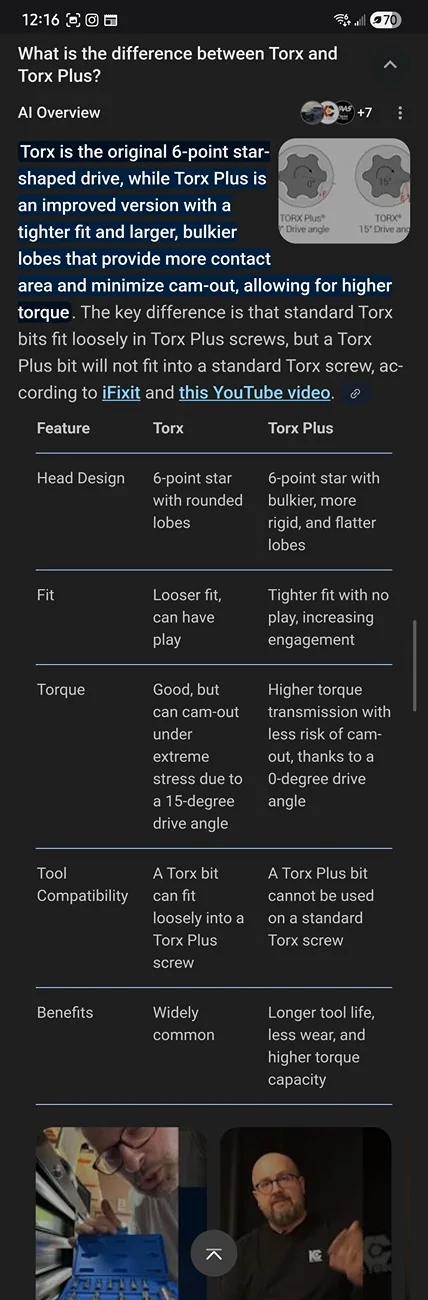
A t40 bit will fit a tp40 bolt. a tp40 bit wont fit a t40 right. the torx plus is suppose to have better engagement then standard torx and wont strip as easy... unless you use a normal torx in them..... like I found out. never knew about torx plus till may 2025. lol 15 years of wrenching on my own and helping friends and family out... also never heard of it. lol

TORX-vs-TORX-PLUS-1.webp


img_1_1749301726225.webp


RDT_20250607_1041546789853886529413044.webp


and apparently torx plus been around since the 90's and the patent expired in 2011.
Screenshot_20251127_121614_Samsung Internet.webp
Screenshot_20251127_121651_Samsung Internet.webp
 

Dino Jockey

Well-Known Member
First Name
Ron
Joined
Aug 13, 2025
Threads
6
Messages
207
Reaction score
342
Location
Alabama
Vehicle(s)
2025 Ranger Raptor. 2024 Ranger XLT
Occupation
Retired
IMG_2787.webp


I have seen multiple pictures of torched bedliners, heat bubbled paint, various scratch marks from vise grips and pliers. Broken screws drilled off-center and basically, just a waste of time and destruction of our trucks to get the thread-locked TP40 screws off our tie-downs. My truck has factory bedliner that completely cover the screw heads almost gluing them to the tie-down bracket and filling the Torx opening. I spent 30 minutes trying to get the bedliner out of the hole of one screw and did a horrible job—-NO MORE—

This is an easy method of removing those horrible tie-down screws. No cleaning the screw heads at all—heat the screw head, and the bedliner pops of the screw like a little mushroom head of bedliner.

This method involves the use of a Magnetic Induction Heater Tool—which is specifically designed for removing rusty and stuck Nuts, Bolts, and Screws. These tools are on sale at Amazon from $140-$240.. The tool I used was a KKSEVEN 1600watt, pistol grip, which was delivered overnight from Amazon ($240). I think this is a bargain. If you are a DIYer and snap off a couple of screws, you are going to pay a professional twice as much as this tool costs, and probably still have a burned and heat bubbled finish if a torch or open flame is used.

Induction heating rapidly applies extremely high heat in a precise location. It doesn’t heat aluminum (what our truck beds are made out of), or paint, bedliner, etc—and only heats the steel screw head inside the heating coil—in this application, just the head of the TP40 screw is heated and the heat flows down length of the screw and softens the thread locker. Minimal heat transfers to the tie-down or the bed.

Just a note: if you watch the manufacturer’s video on how to use the tool, they show applying heat for 25 seconds on an extremely stuck rusty nut—the nut turns red hot after about 20 seconds—don’t do that. I did a trial test on a 1/4x20 brand new zinc plated bolt. It went red—and almost white hot in 25 seconds. It burned all the zinc plating off and destroyed the grade 8 hardening of the bolt turning it to junk.


This is the unit I bought

IMG_2778.webp


Select a slightly larger heating coil. I had to slightly unwind this one to fit.

IMG_2802.webp


Place the heater coil over the screw head with power on for about 10 seconds, wait about 10-15 seconds for the heat to flow down the screw and soften the thread locker. Apply heat for another 10 seconds and when you remove the heat, the bedliner on the head of the screw will just pop off the head—perfectly clean little mushroom head of headliner. That is the bedliner pop-off on the tie-down below—it looks like the head of the screw—and it has the liner that was inside the Torx hole removed.


IMG_2784.webp


Bedliner from head of screw—when you heat it just right—it just pops off as a single piece with little to no residue.


IMG_2780.webp


It took less than 20 minutes to remove all of the tie-downs. I placed them in a can of lacquer thinner overnight to remove all remnants of bedliner. Some of the black oxide heads were rusted under the bedliner. I think I will powder coat the heads before reinstallation.


IMG_2804.webp


I found the 10 seconds pause, 10 second to work almost perfect—but I went through about half of them before I figured it out. Once the screw starts coming out. It should be easy—if it starts to get tight again. Just apply heat for another 10 seconds. You should only have a small amount of smoke—mainly from the bedliner on the head—a whole lot of smoke indicates you did it too long.

hope this helps

IMG_2781.webp

Nice write up. Appreciate the time invested to share advice.

🩖
 

Sponsored

John E Davies

Well-Known Member
First Name
John
Joined
May 26, 2024
Threads
64
Messages
774
Reaction score
1,076
Location
Spokane WA USA
Vehicle(s)
2024 Ranger Raptor Velocity Blue (fastest color)
Occupation
Retired aircraft tech
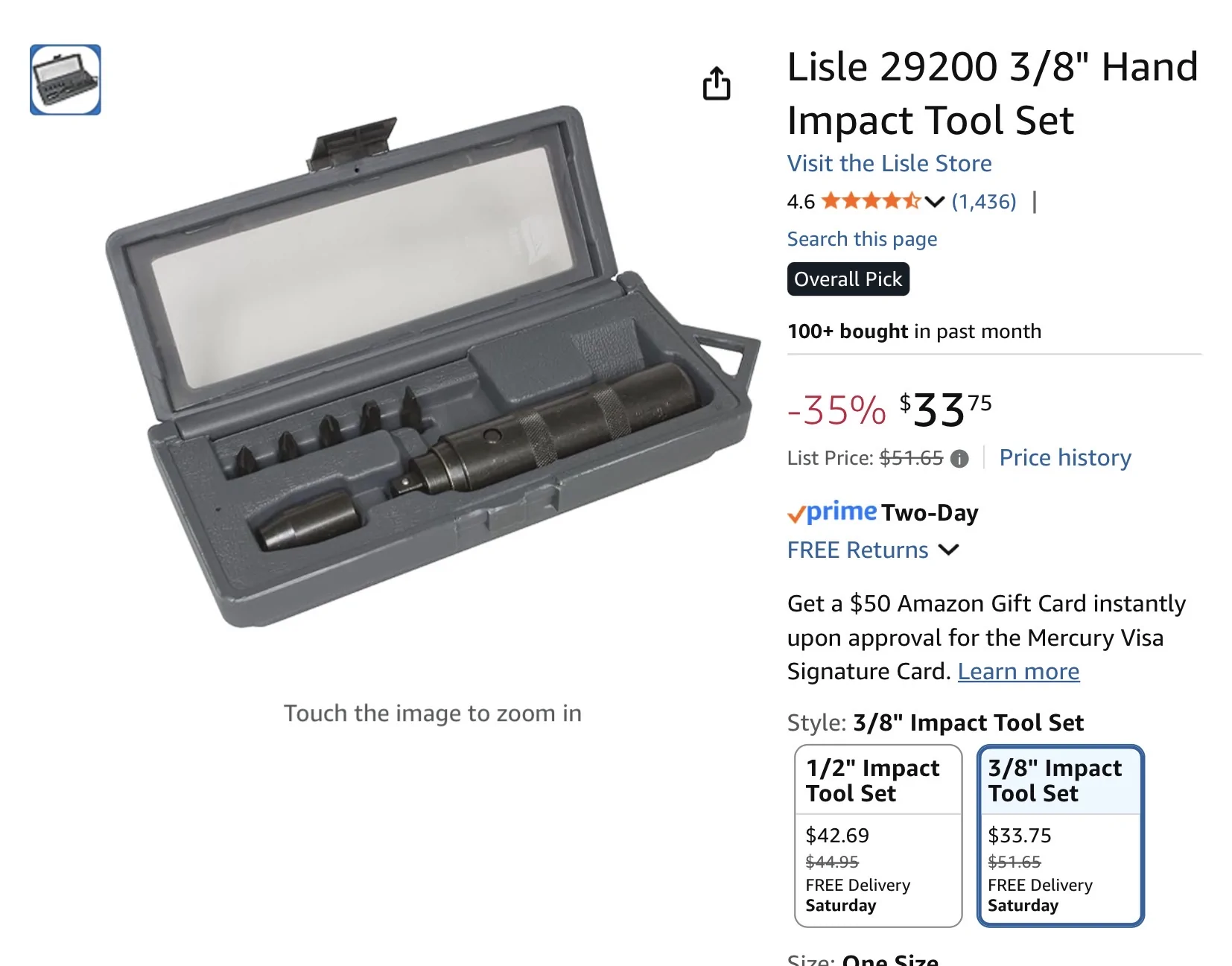
Or just use a hand impact driver with the correct bit, it will get them out without stressing you or your wallet. These are used with a large hammer or dead blow mallet, the force drives the bit deep into the recess and prevents slippage. You should dig out as much bedliner as possible first, but it isn’t critical. These were a must have tool when Japanese motorcycles first came out with their dozens of dead soft Philips head engine cover screws.. My 50 year old no-name one is still working fine. I do suggest that you get an established tool brand, not a knockoff. Hit it lightly a few times to get the bit seated, twist to the left and then whack it hard. Wear a heavy glove on the hand holding it! If you don’t wear a glove and your aim is bad, it will remove a huge piece of skin at the web of your thumb. Ask me how I know
. You will only make that mistake one time!


John Davies
Spokane WA USA

IMG_8989.webp
 
Last edited:

embedded rock

Well-Known Member
Joined
May 6, 2023
Threads
15
Messages
638
Reaction score
672
Location
Earth
Vehicle(s)
One truck, two motorcycles
Or just use a hand impact driver with the correct bit, it will get them out without stressing you or your wallet. These are used with a large hammer or dead blow mallet, the force drives the bit deep into the recess and prevents slippage. You should dig out as much bedliner as possible first, but it isn’t critical. These were a must have tool when Japanese motorcycles first came out with their dozens of dead soft Philips head engine cover screws.. My 50 year old no-name one is still working fine. I do suggest that you get an established tool brand, not a knockoff. Hit it lightly a few times to get the bit seated, twist to the left and then whack it hard. Wear a heavy glove on the hand holding it! If you don’t wear a glove and your aim is bad, it will remove a huge piece of skin at the web of your thumb. Ask me how I know
. You will only make that mistake one time!


John Davies
Spokane WA USA

IMG_8989.webp
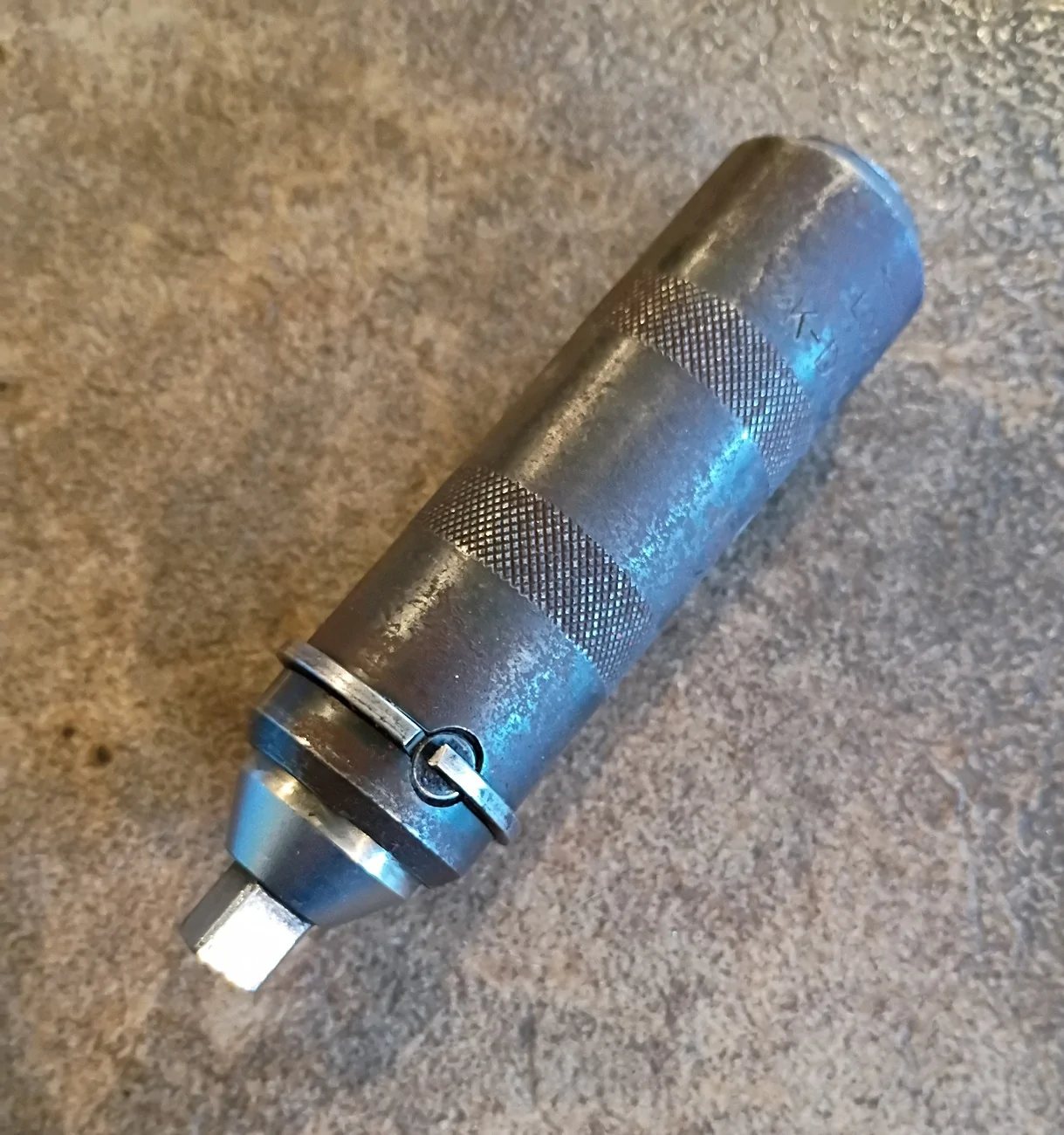
While mine hasn't been used in a long, long time, my K-D Tools impact driver is still in the tool box. Got it as a teen-ager working on my Hondas in the late 70's as a teenager. Used it in my days as a Yamaha and Kawasaki tech after high school.

IMG_20251127_105143281.webp
 

RichD

Well-Known Member
First Name
Rich
Joined
Dec 29, 2024
Threads
6
Messages
102
Reaction score
145
Location
Washington state
Vehicle(s)
2024 Ranger XLT
Occupation
retired
I used the t40p and an electric heat gun, took my time and got them all out. The key was having the right bit and patience.
 

embedded rock

Well-Known Member
Joined
May 6, 2023
Threads
15
Messages
638
Reaction score
672
Location
Earth
Vehicle(s)
One truck, two motorcycles
Just ordered a TP40 socket as I'm fiddling with these exact bolts. Managed to get two out with a regular T40. Working the bolt back and forth created friction and loosened the Locktite.
 

snowman3

Well-Known Member
Joined
May 1, 2024
Threads
12
Messages
133
Reaction score
100
Location
us
Vehicle(s)
none
fantastic write up and info! thanks! I didn't know they were torx+.
 

Sponsored

cc1999

Well-Known Member
Joined
Mar 7, 2024
Threads
50
Messages
2,253
Reaction score
3,001
Location
Kansas
Vehicle(s)
2025 & 2024 Ranger Raptors
A t40 bit will fit a tp40 bolt. a tp40 bit wont fit a t40 right. the torx plus is suppose to have better engagement then standard torx and wont strip as easy... unless you use a normal torx in them..... like I found out. never knew about torx plus till may 2025. lol 15 years of wrenching on my own and helping friends and family out... also never heard of it. lol

TORX-vs-TORX-PLUS-1.webp


img_1_1749301726225.webp


RDT_20250607_1041546789853886529413044.webp


and apparently torx plus been around since the 90's and the patent expired in 2011.
Screenshot_20251127_121614_Samsung Internet.webp
Screenshot_20251127_121651_Samsung Internet.webp
Ran into the same problem taking on and off the bead-lock rings.
Regular torx will srip some of them every time. I now have drawer full of TP bits. Lol
 

cc1999

Well-Known Member
Joined
Mar 7, 2024
Threads
50
Messages
2,253
Reaction score
3,001
Location
Kansas
Vehicle(s)
2025 & 2024 Ranger Raptors
OP
OP
Raptor Family

Raptor Family

Well-Known Member
First Name
Jeff
Joined
Apr 2, 2025
Threads
5
Messages
113
Reaction score
221
Location
Dallas, Texas
Vehicle(s)
‘25 Ranger Raptor, ‘97 Jeep Cherokee, ‘24 Lexus NX450h+
Occupation
retired
Or just use a hand impact driver with the correct bit, it will get them out without stressing you or your wallet. These are used with a large hammer or dead blow mallet, the force drives the bit deep into the recess and prevents slippage. You should dig out as much bedliner as possible first, but it isn’t critical. These were a must have tool when Japanese motorcycles first came out with their dozens of dead soft Philips head engine cover screws.. My 50 year old no-name one is still working fine. I do suggest that you get an established tool brand, not a knockoff. Hit it lightly a few times to get the bit seated, twist to the left and then whack it hard. Wear a heavy glove on the hand holding it! If you don’t wear a glove and your aim is bad, it will remove a huge piece of skin at the web of your thumb. Ask me how I know
. You will only make that mistake one time!

John. I replied to another post you had about using a hand impact driver. I still have mine from the ‘70s as well. But, I don’t know if you knew this or not, I learned it over 45 years ago, when I was complaining to my Honda dealer that all the heads of the screws always stripped out. Just like a lot of people here are just learning after many years about Torx plus fasteners existence, I do not know if you knew our Japanese motorcycles of the ‘70s engine housings and carburetors did not use Phillips screws.
IMG_2812.webp

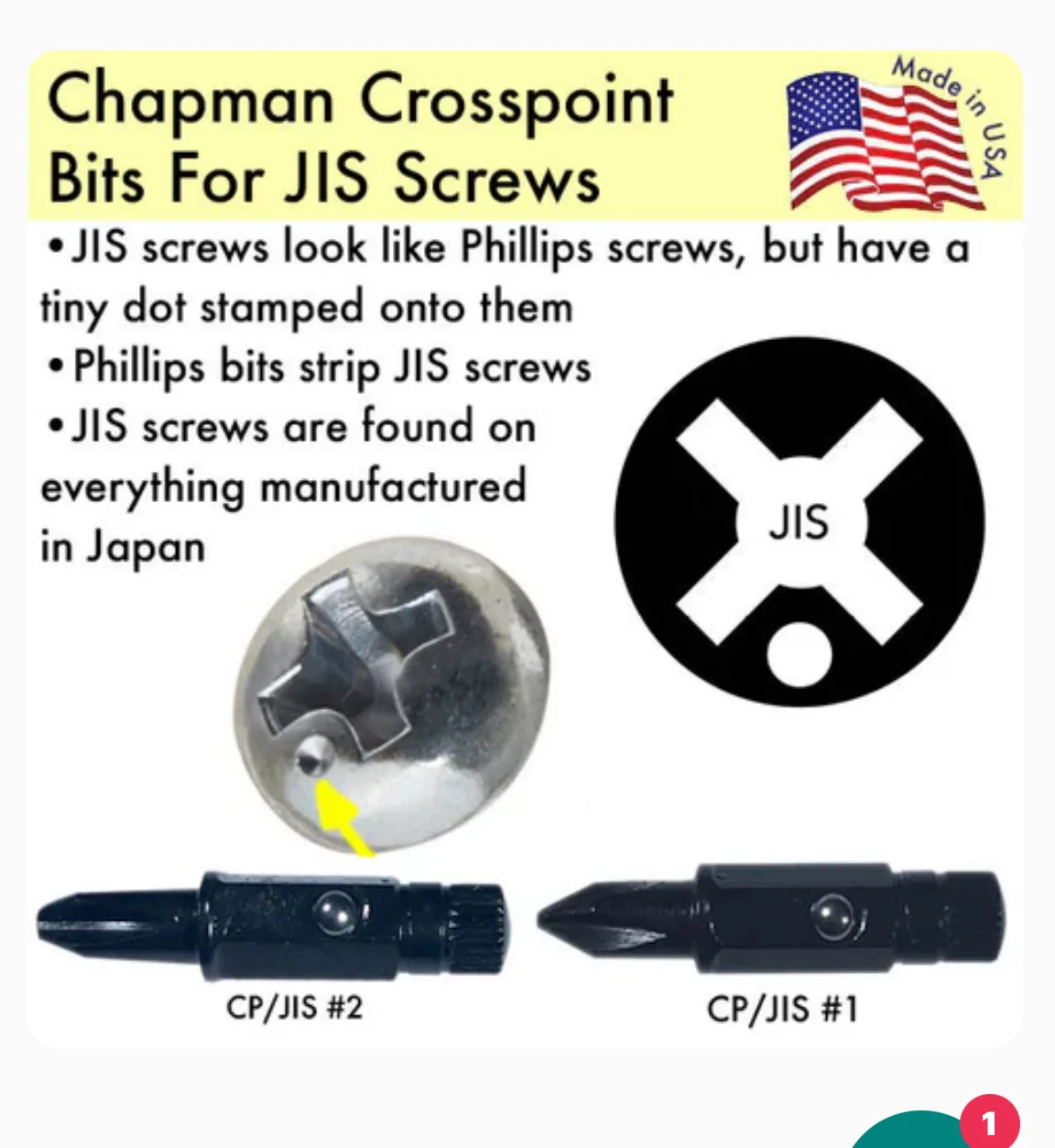
Those Phillips looking screws were not Phillips—if you used a Phillips on them, they easily stripped out They used Japanese Industrial Standard (JIS) screws. JIS screw heads were on my 72 Honda engine cases, they looked like standard # 2 Phillips—but, JIS internally is not as deep as a number 2 Phillips which doesn’t let the teeth fully engage—it isn’t that the screws were soft as much as it was that you were using the wrong tool. JIS screws usually have a dimple or punched dot on them. If you ground 1/32 off the tip of a #2 Phillips bit, and then beat it in the screw with a hammer, or an impact driver, it would work better, but the angle of the teeth on the bit still lack full engagement because of different angles—the better thing to do is get the right tool in the first place. I worked at a Datsun dealer back then and had entire sets of JIS screwdriver and bits. And, let’s not even talk about the new Pozidrive (Phillips), or Triple Square (kind of a Torx looking head) found on high stress parts on Porsche, Audi, and VW.

Back to these screws on our tie-downs, I do not think the manual impact is the right tool for this job. Look at the picture of the screws I removed—they have over 1/2” of thick thread locker. The threaded nutsert in our bed panels is only about 1/4” thick, and the thread locker is all the way down the screw, on the other side of the nut. There isn’t any thread locker just under the head (where the tie-down is clamped under).

I attempted to remove one screw—it took forever to pick out the bedliner from the Torx hole, I then applied more than 30 lbs of force and it didn’t budge— I started to feel the “give” you feel right when a fastener is about to break—and stopped. These are only grade 8.8 bolts—that are only rated for about 30 lbs of force to break. There is too much thread locker to reliably remove them without damage, and without heat. You might be able to get some of them, or you might be able to get all of them, but—chances are high that you will ruin the screws, and that you will snap off at least one—and then, you are going to have to use heat and drill and easy out—and we are back to what I was trying to prevent in the first place.

I really don’t like the idea of repeatedly beating on an aluminum nutsert welded on an unsupported aluminum body panel (which is basically what the inside of our beds are). I titled this post with “An Easy Way” to remove—not a cheaper, labor intensive way. To me, my time is valuable. I have read where others have slowly worked the screws forward and backwards, another on here commented about using a heat gun. I couldn’t even get the first one I tried to move at all ( in the pic, the first one I attempted, is facing outwards and has the lobes of the Torx teeth shiny—the head is partly twisted off—once I applied heat, it came out without any force.

I removed all 12 in less than 20 minutes—no cleaning the bedliner out of the screws, just heat and go. I think I could have done them twice as fast if I didn’t have the learning curve I mentioned with 10 seconds heat, wait 10-15 seconds, heat again for 10 seconds, and unscrew. During the waiting time, I was actually heating the other screw. In the past, I’ve used oxy/acetylene torches, what we used to call “the blue wrench”—but it is difficult and sometimes dangerous to precisely control where the flame (and heat) goes. This form of heat is precise, quicker, and safer.

If you don’t own a Magnetic Inductive Heater, buy one—iI practiced on every rusted up bolt or stud I could find in my junk pile —I wish I had a tool like this before. The cheapest I saw on Amazon for one of these was about $135. If You own a Raptor—now is not the time to get cheap.
My logic is If I’m going to bugger it all up-why bother? Buy the best tool for the job (which I think this is), get the job done quickly and safely without damage to the truck. Just my two cents
Sponsored


Top