ozraptor
Active Member
Lots of great suggestions already. I'll add my 2c since I've built out my kit over the last year for the RR as well.
1. Try to keep your kit light. These RRs hit their weight limit fast, and the more weight you add, the worse it'll handle the type of driving it was designed for (then you'll want other upgrades).
2. Emergency essentials like good quality first aid kit, fire extinguisher, etc. Ideally sat comms like a Garmin Inreach (nice insurance, but it has nearly saved me in a bushfire situation and almost needed it from an axe slip mishap, so when things go wrong you'll be glad you have it). My first aid kits are one of the most used on group outings (I pack mine with additional basic meds as well).
3. In addition to inflation/deflation, a tire repair kit is essential. The RR has a spare, but it's a lot easier and safer patching a hole on a steep trail than changing a tire. I think a 4x4 specific repair kit is worth it too. The number of sidewall punctures I've seen in just the last year has surprised me (from sticks, rocks, and scrap in mud holes people can't see).
- These guys have great kits: https://www.gluetread.com.au
- I went with Apex Designs RCVs for fast deflation (these are awesome; 45 seconds to go from highway to 20 psi on trail and inflation is a bit faster as well). I went with the MorrFlate Tensix and 4 tire hose kit. Just make sure you pick one with good quality hoses. Cheap ones will break eventually from repeated heat cycles and use. For how often I deflate/inflate, I think this is my most used kit and worth the cost. I also ran 4 awg power into the tub (hooked up to an Aux switch) so it's a lot faster than having to pop the hood, connect the compressor, etc. Having said that, when I'm solo it's great but with friends you end up standing around waiting anyway. If you want a starter compressor before going full kit, I can second the Milwaukee. I started with their M18 and it works great (obviously slower than a high power 4 hose kit, but an easy, reliable way to get started, esp. if you already have one of their batteries).
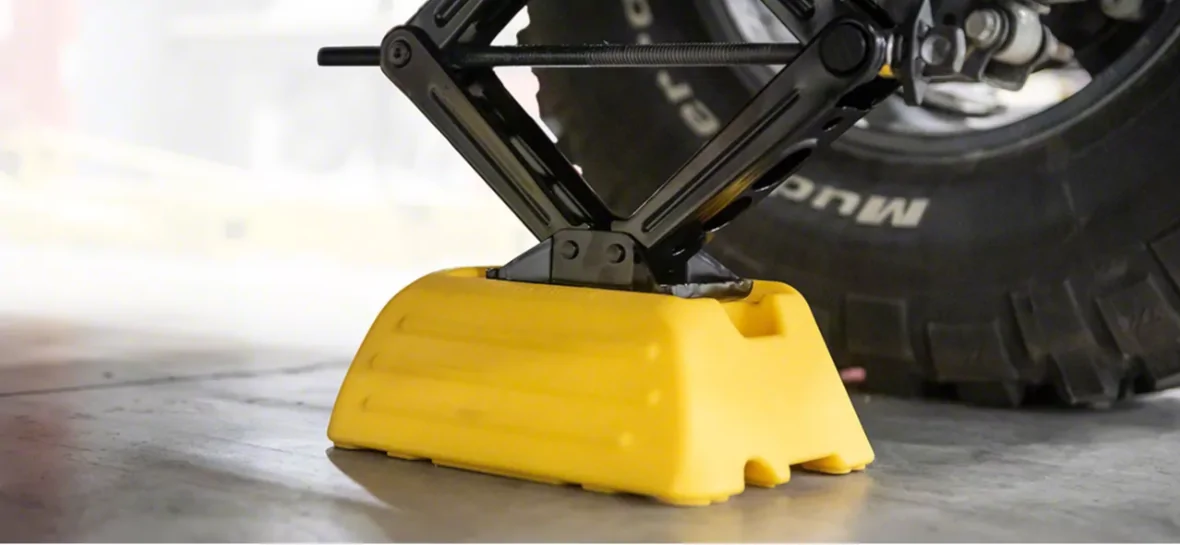
4. These are more capable than I think many people assume (at least where I live). I went out and bought a bunch of kit (4 traction boards, ropes, high-lift jack, etc) and I haven't needed it for myself yet (been through mud, snow, rocks, etc). It'll happen eventually, but I've needed a lot less than I thought I would (everyone's recommendations fit well here - at least basic tools, shovel, etc). -- And on that note, I do not recommend buying some other sort of jack, especially a high-lift. It'll be unnecessary dead weight. When you get enough 4x4 experience you'll know when it's time to add something like this.
5. I highly recommend using/checking your kit regularly. The moment you buy it, open it and figure it out, and then regularly check and inspect everything after that. The number of people I've seen in just a year pull something out they've never used and find out it doesn't work or fit, then they're going around camp asking for help or waiting for someone to come by on a trail. Tools are a great example here; people buy car kits and then find out they don't have something specific to their rig. I use the tools I keep in the truck for my general maintenance, which has been a great way to make sure I've got everything I need and it's working correctly.
Congrats on the RR! You made a great choice. It'll be a blast!
1. Try to keep your kit light. These RRs hit their weight limit fast, and the more weight you add, the worse it'll handle the type of driving it was designed for (then you'll want other upgrades).
2. Emergency essentials like good quality first aid kit, fire extinguisher, etc. Ideally sat comms like a Garmin Inreach (nice insurance, but it has nearly saved me in a bushfire situation and almost needed it from an axe slip mishap, so when things go wrong you'll be glad you have it). My first aid kits are one of the most used on group outings (I pack mine with additional basic meds as well).
3. In addition to inflation/deflation, a tire repair kit is essential. The RR has a spare, but it's a lot easier and safer patching a hole on a steep trail than changing a tire. I think a 4x4 specific repair kit is worth it too. The number of sidewall punctures I've seen in just the last year has surprised me (from sticks, rocks, and scrap in mud holes people can't see).
- These guys have great kits: https://www.gluetread.com.au
- I went with Apex Designs RCVs for fast deflation (these are awesome; 45 seconds to go from highway to 20 psi on trail and inflation is a bit faster as well). I went with the MorrFlate Tensix and 4 tire hose kit. Just make sure you pick one with good quality hoses. Cheap ones will break eventually from repeated heat cycles and use. For how often I deflate/inflate, I think this is my most used kit and worth the cost. I also ran 4 awg power into the tub (hooked up to an Aux switch) so it's a lot faster than having to pop the hood, connect the compressor, etc. Having said that, when I'm solo it's great but with friends you end up standing around waiting anyway. If you want a starter compressor before going full kit, I can second the Milwaukee. I started with their M18 and it works great (obviously slower than a high power 4 hose kit, but an easy, reliable way to get started, esp. if you already have one of their batteries).
4. These are more capable than I think many people assume (at least where I live). I went out and bought a bunch of kit (4 traction boards, ropes, high-lift jack, etc) and I haven't needed it for myself yet (been through mud, snow, rocks, etc). It'll happen eventually, but I've needed a lot less than I thought I would (everyone's recommendations fit well here - at least basic tools, shovel, etc). -- And on that note, I do not recommend buying some other sort of jack, especially a high-lift. It'll be unnecessary dead weight. When you get enough 4x4 experience you'll know when it's time to add something like this.
5. I highly recommend using/checking your kit regularly. The moment you buy it, open it and figure it out, and then regularly check and inspect everything after that. The number of people I've seen in just a year pull something out they've never used and find out it doesn't work or fit, then they're going around camp asking for help or waiting for someone to come by on a trail. Tools are a great example here; people buy car kits and then find out they don't have something specific to their rig. I use the tools I keep in the truck for my general maintenance, which has been a great way to make sure I've got everything I need and it's working correctly.
Congrats on the RR! You made a great choice. It'll be a blast!
Sponsored