Lion77
Well-Known Member
- Joined
- Feb 27, 2025
- Threads
- 37
- Messages
- 1,132
- Reaction score
- 1,720
- Location
- United States
- Vehicle(s)
- 2024 Ranger Raptor
- Occupation
- Electrical Engineer
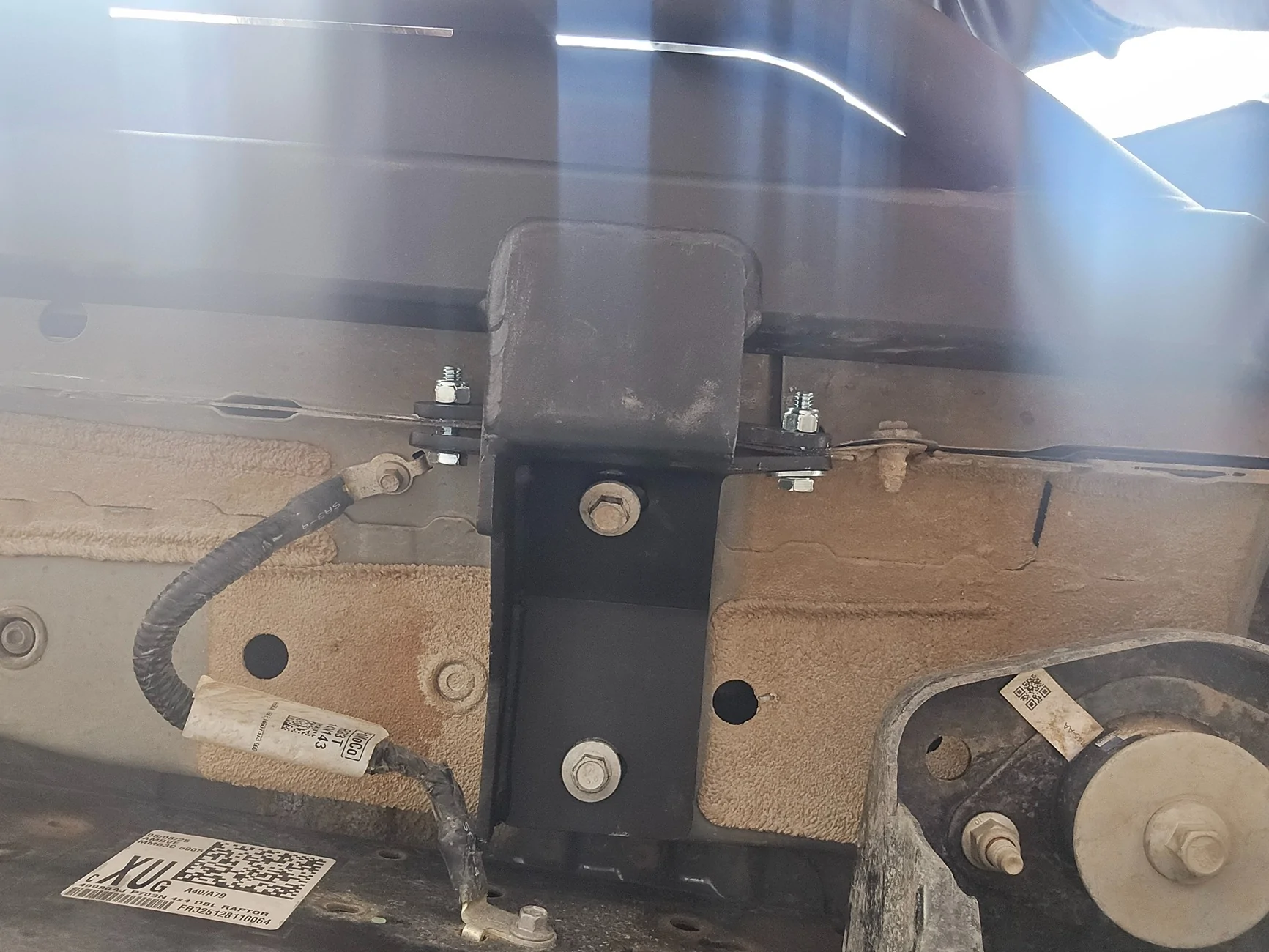
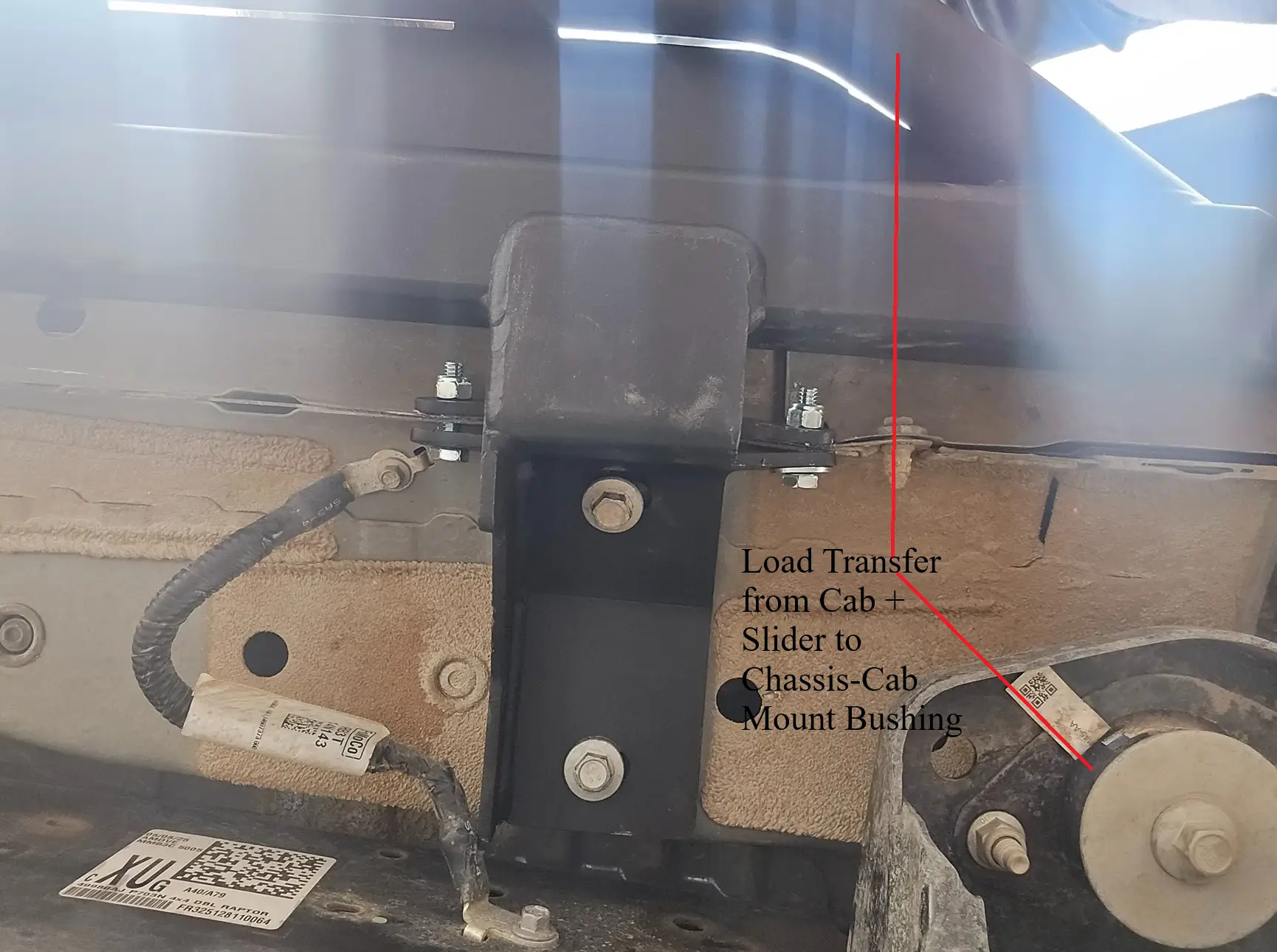
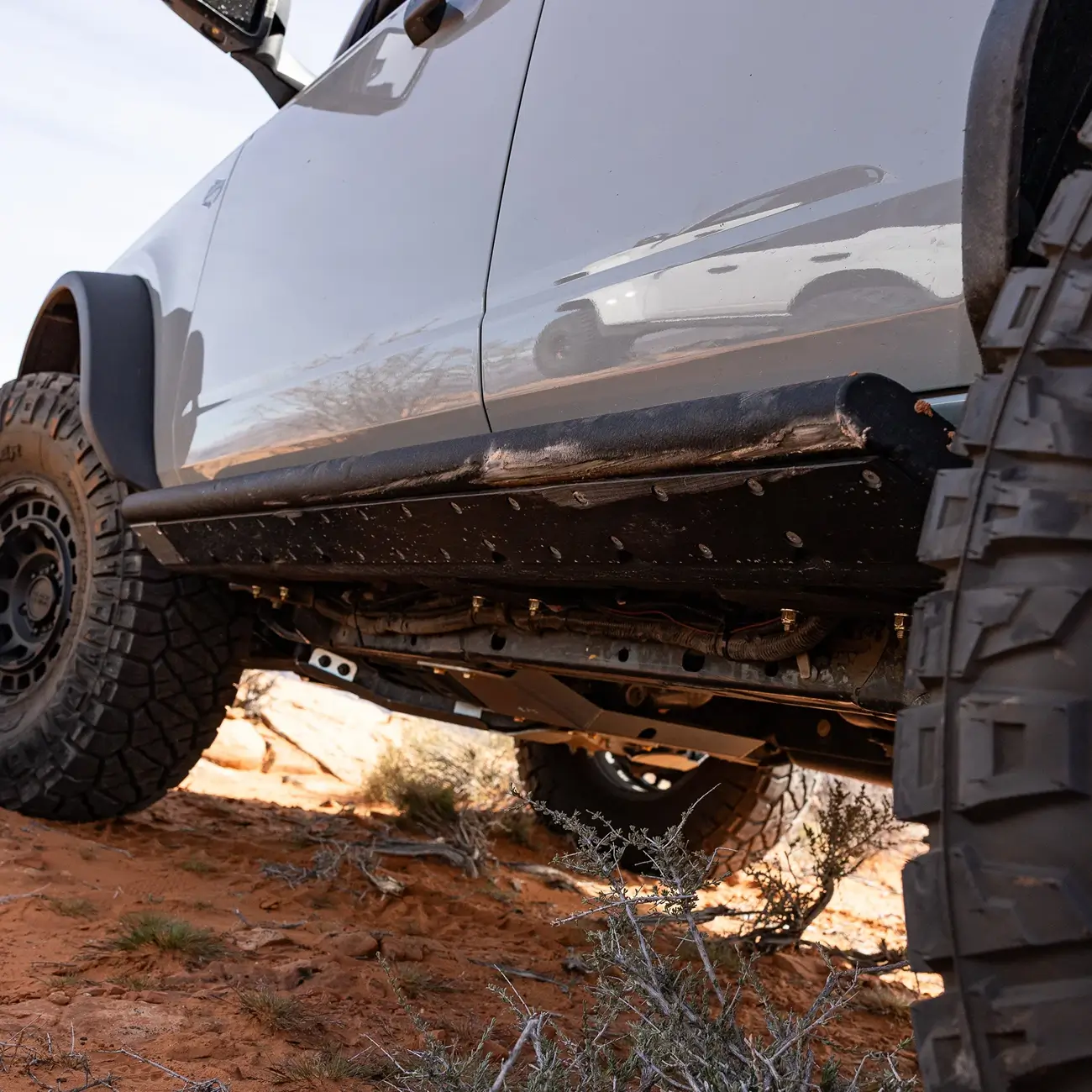
Also wanted to point out the big a** cab isolator bushings. The rubber bushings that secure YOU riding INSIDE the cab to the actual frame. If the sliders are connected to the cab then you also have some impact absorption going on via the cab isolator bushings. Less likely for something to snap.
Rubbing bushings save major vehicle damage all the time from hard impacts, especially in suspension parts. It's not just cost as the reason bushings are used instead of ball joints like in steering system (that obviously must be precise and rigid). Too much movement is an issue, but captured bushings can be tuned for limited movement.
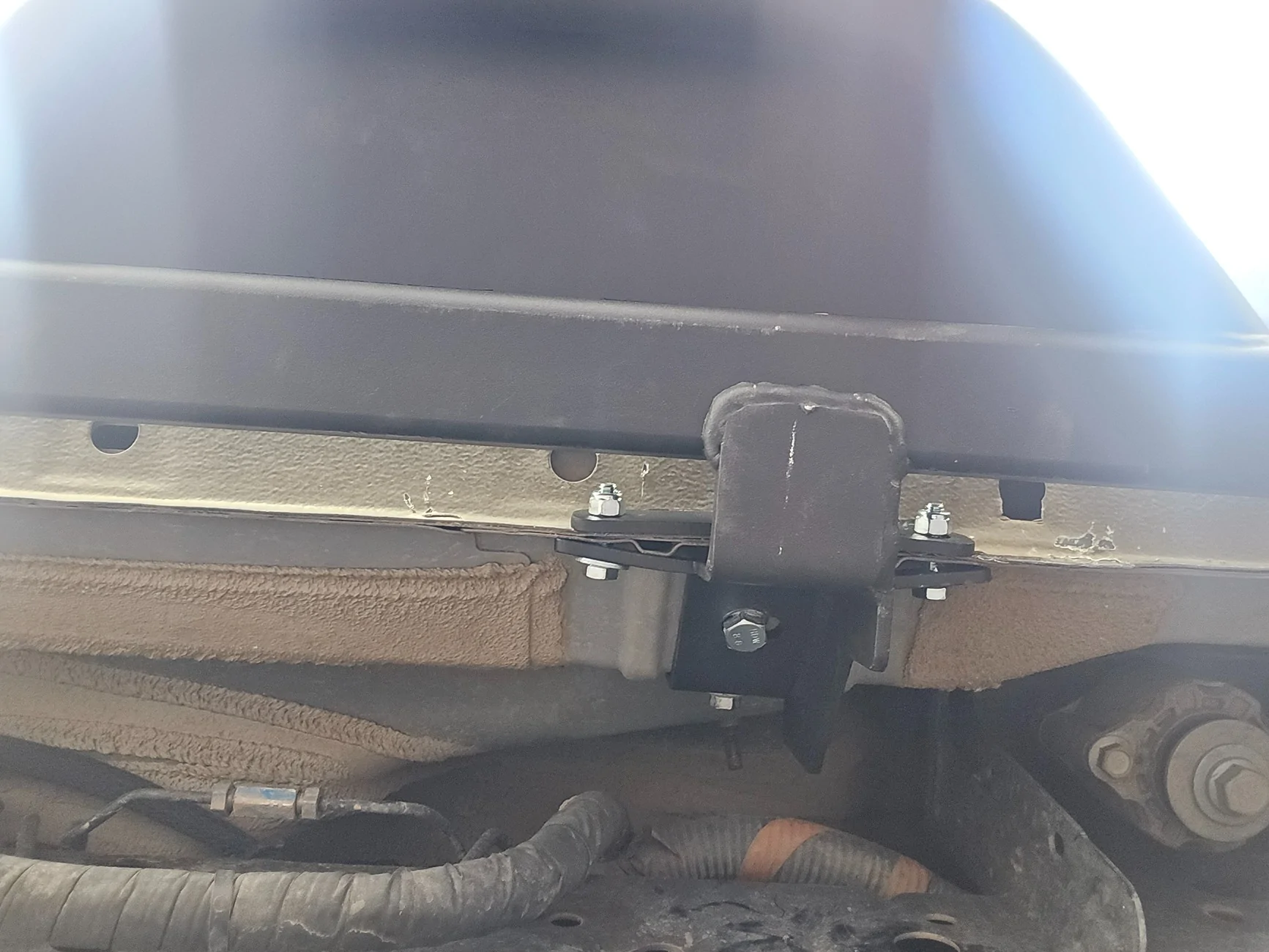
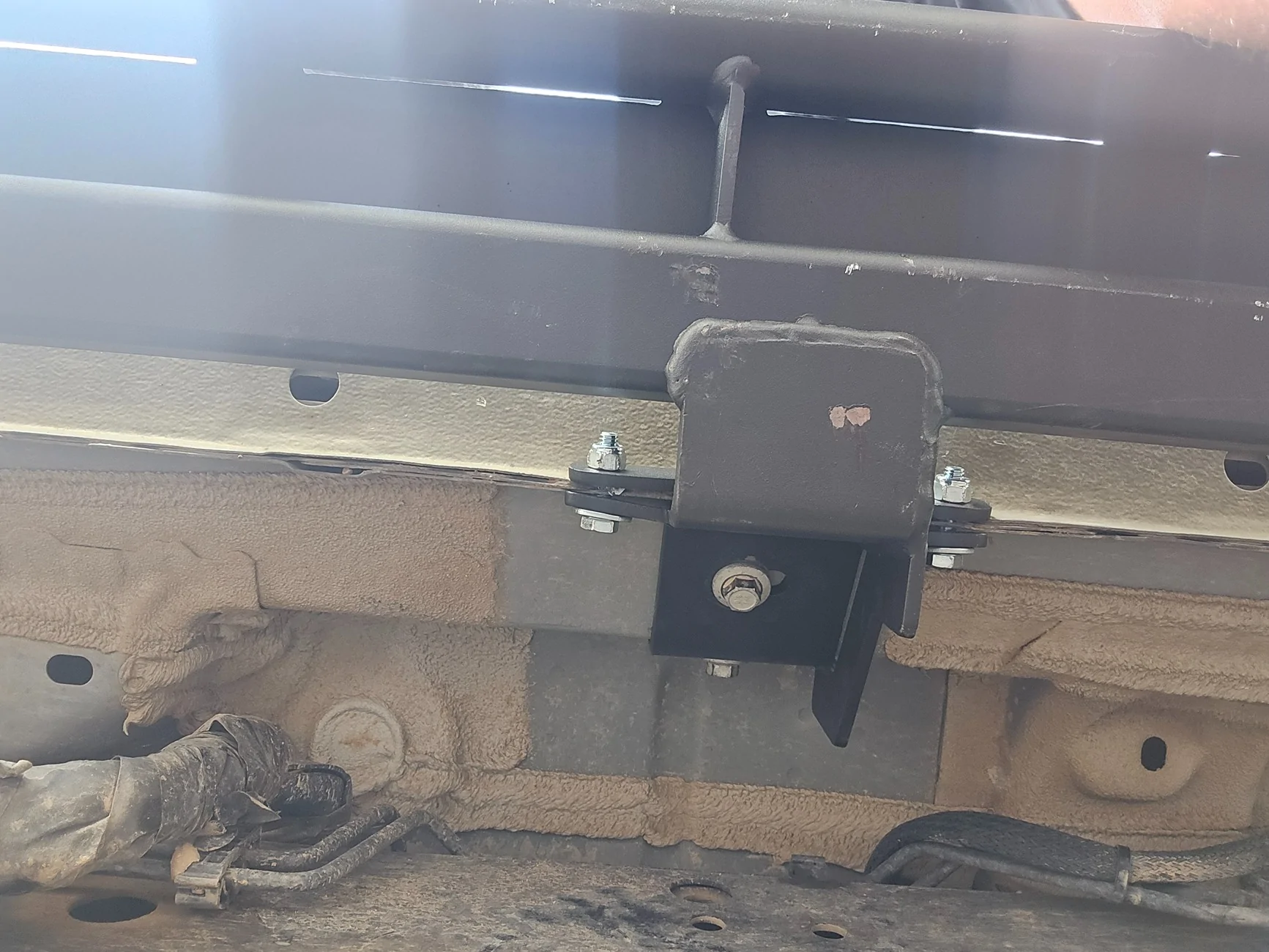
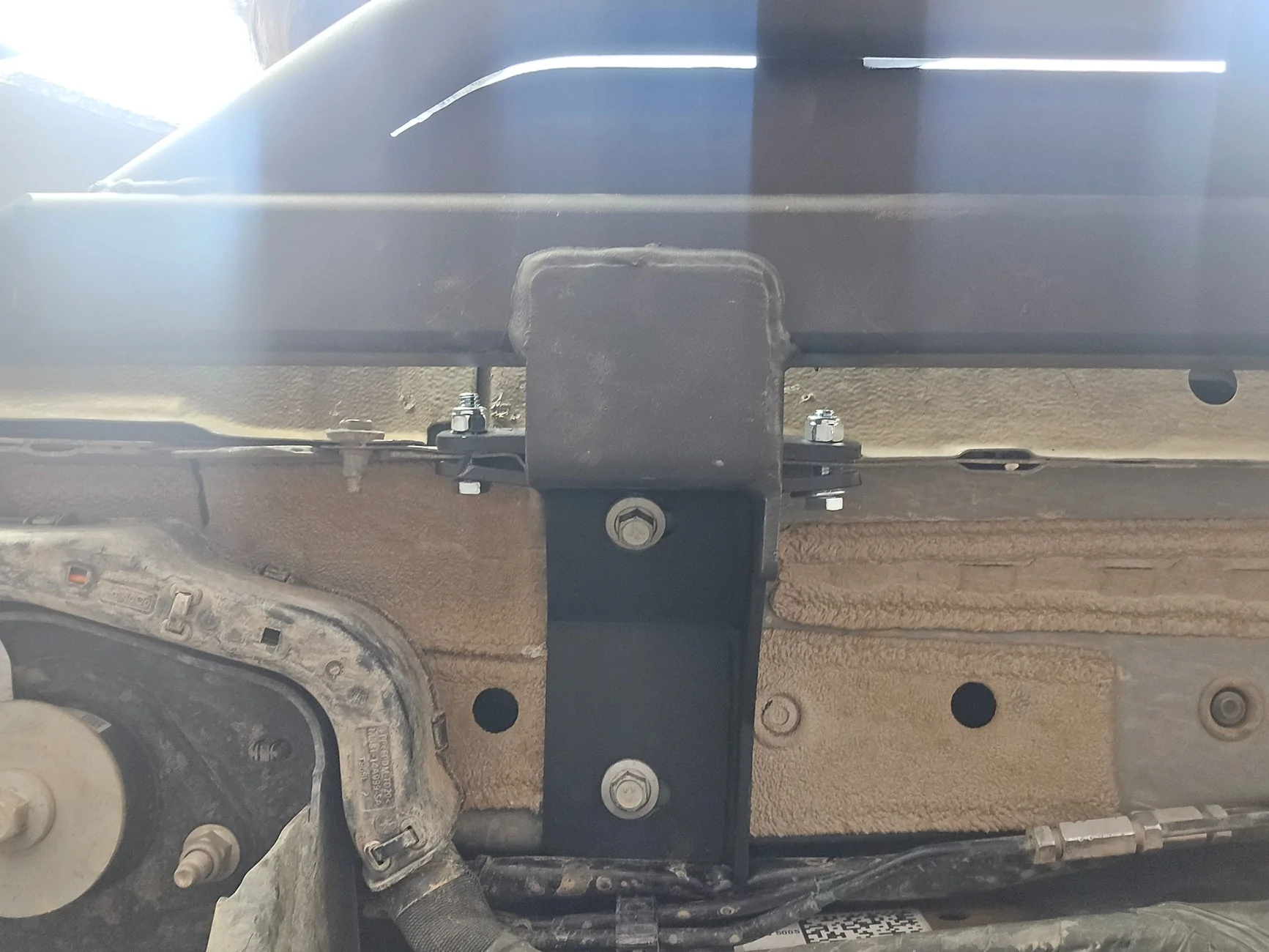
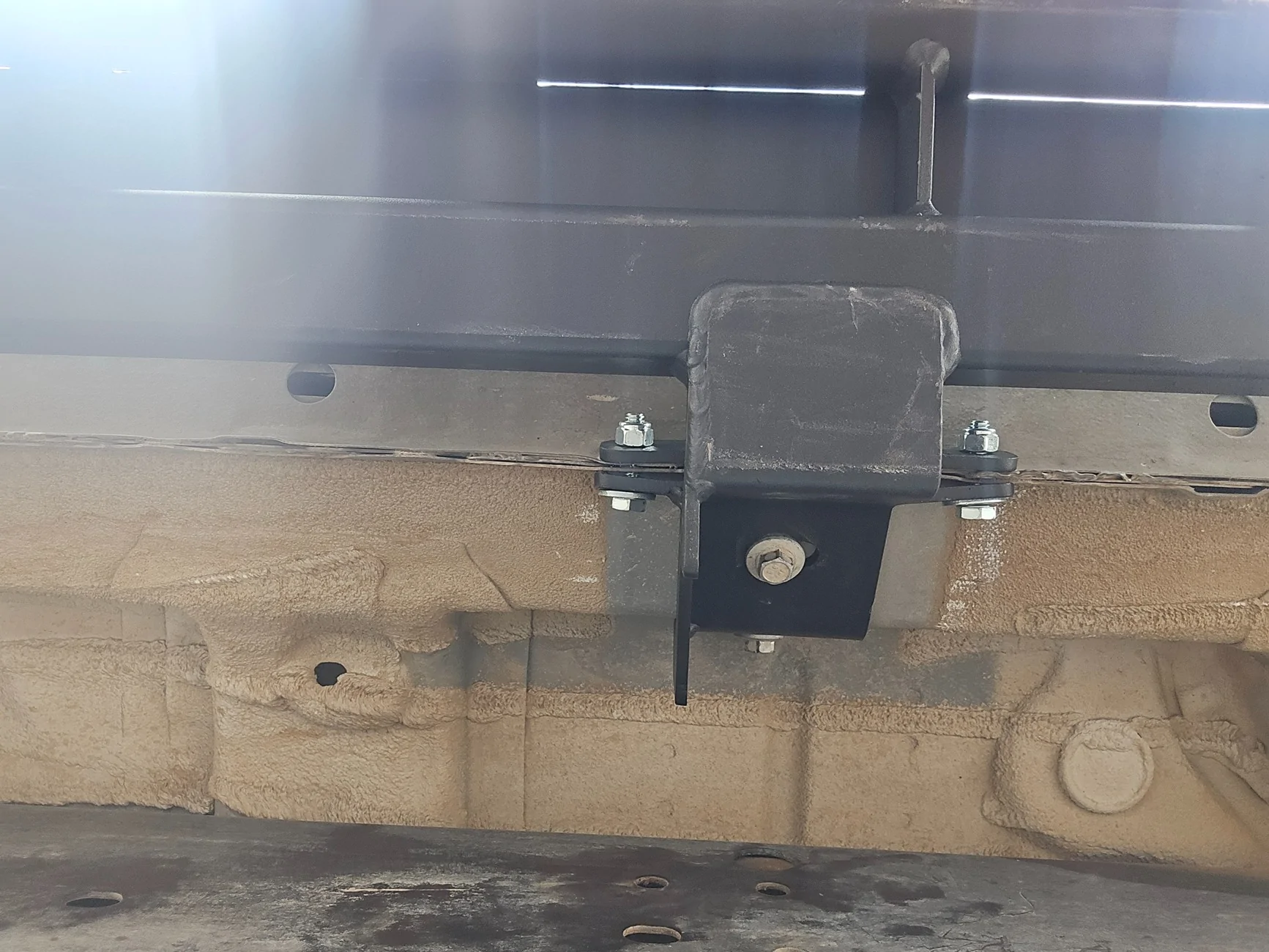
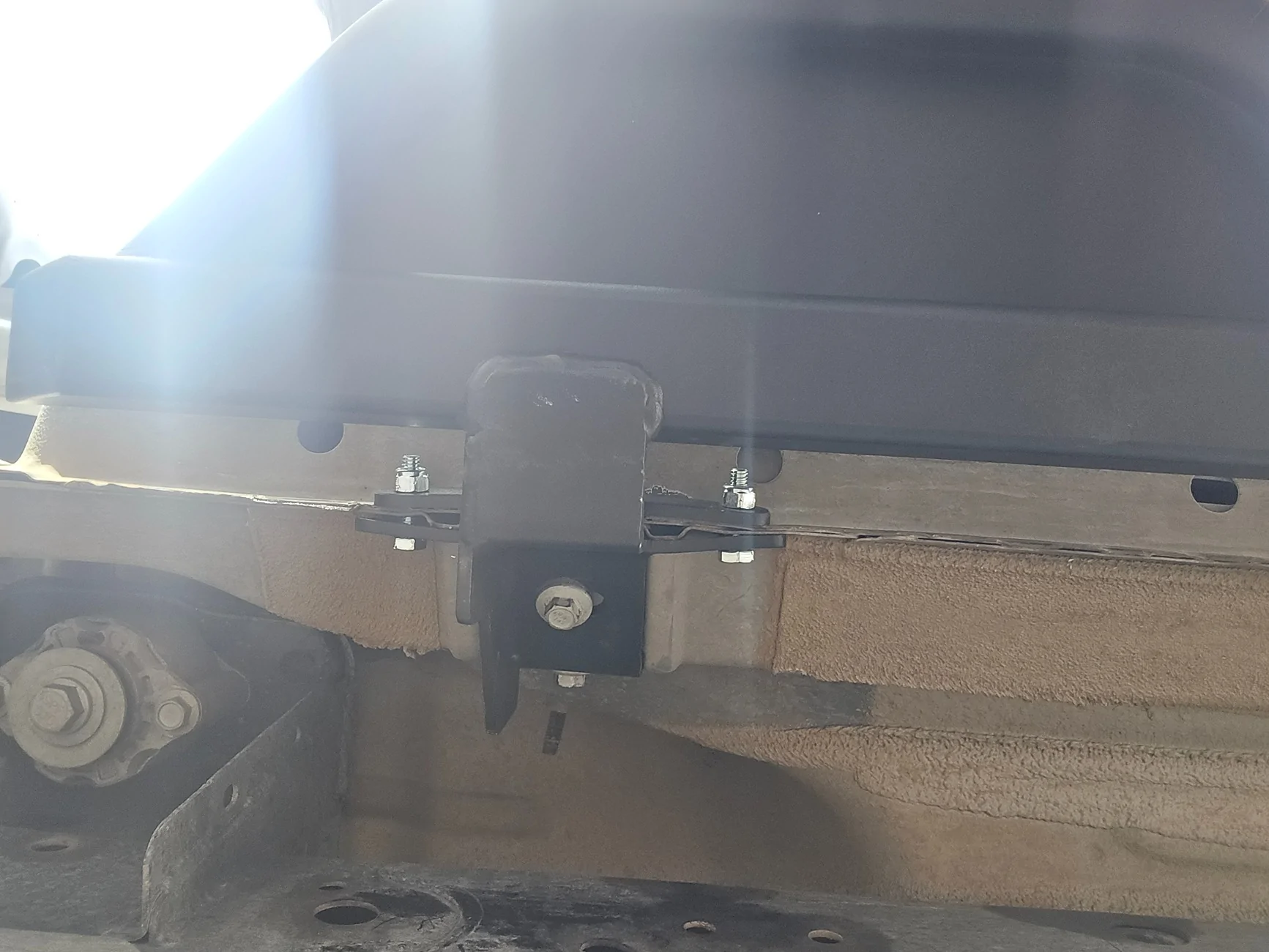
Given that cab mounted sliders are isolated from the chassis via the cab mounting bushings, that's another plus (in additional to some flex from the backets). The whole thing acts like a big damper to help keep things from bending / denting / shearing (broken bolts).
Adam from GOAT said they originally tested frame mounted sliders and found it was twisting the frame and causing puckering because the leverage of the sliders on the frame. People forget these are not the old C-channel frames that acted like big springs (designed to allow some flex, strength was achieved via mass / material, not so much structural architecture).
Hydro-formed fully boxed frames are designed with very limited flex and specific load transfer pathways, they are lighter and more rigid, they are not designed for twisting loads that frame sliders place on them. The frames are also narrower than the C-channel which the main rails were set a lot wider apart and closer to the wheels with the rear struts mounted in-board, not outboard.
So not only has the frame designs changed in terms of architecture, so is the location of the frame rails with respect to the wheels / sides of the vehicle! THINK ABOUT IT, people need to stop using simplistic thinking of "frame = stronger". Look at ALL the elements of the frame design. The modern cab's impact panels are structural just like the frame but designed specifically for side loads! And the leverage of the brackets is FAR less than far in at the frame. Simply not comparable and it's why factory sliders on all the trucks / jeeps are cab mounted now.
Sure, frame mounted sliders can work, the RCI's use a LOT of frame support, so those might be fine to use, but why put all that torque on the frame in a way it was never designed for? I would also argue that frame damage is far more serious to vehicle drivability than body damage if one or the other were to fail.
Rubbing bushings save major vehicle damage all the time from hard impacts, especially in suspension parts. It's not just cost as the reason bushings are used instead of ball joints like in steering system (that obviously must be precise and rigid). Too much movement is an issue, but captured bushings can be tuned for limited movement.
Given that cab mounted sliders are isolated from the chassis via the cab mounting bushings, that's another plus (in additional to some flex from the backets). The whole thing acts like a big damper to help keep things from bending / denting / shearing (broken bolts).
Adam from GOAT said they originally tested frame mounted sliders and found it was twisting the frame and causing puckering because the leverage of the sliders on the frame. People forget these are not the old C-channel frames that acted like big springs (designed to allow some flex, strength was achieved via mass / material, not so much structural architecture).
Hydro-formed fully boxed frames are designed with very limited flex and specific load transfer pathways, they are lighter and more rigid, they are not designed for twisting loads that frame sliders place on them. The frames are also narrower than the C-channel which the main rails were set a lot wider apart and closer to the wheels with the rear struts mounted in-board, not outboard.
So not only has the frame designs changed in terms of architecture, so is the location of the frame rails with respect to the wheels / sides of the vehicle! THINK ABOUT IT, people need to stop using simplistic thinking of "frame = stronger". Look at ALL the elements of the frame design. The modern cab's impact panels are structural just like the frame but designed specifically for side loads! And the leverage of the brackets is FAR less than far in at the frame. Simply not comparable and it's why factory sliders on all the trucks / jeeps are cab mounted now.
Sure, frame mounted sliders can work, the RCI's use a LOT of frame support, so those might be fine to use, but why put all that torque on the frame in a way it was never designed for? I would also argue that frame damage is far more serious to vehicle drivability than body damage if one or the other were to fail.
Sponsored
Last edited: