

Scooter
Well-Known Member
- First Name
- Brian
- Joined
- Jan 24, 2021
- Threads
- 77
- Messages
- 776
- Reaction score
- 607
- Location
- Vancouver, BC, Canada
- Vehicle(s)
- 65 Comet, 2011 Ford Ranger
- Occupation
- --Machinist
- Thread starter
- #1
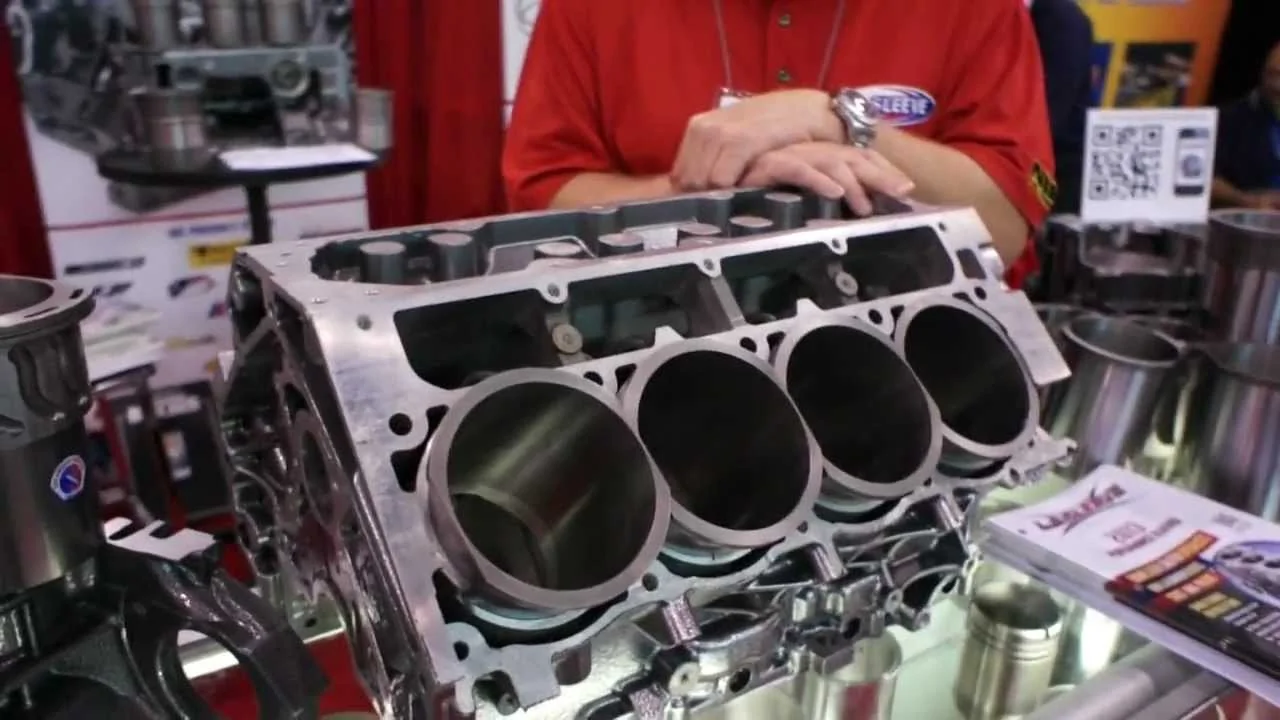
Does the 2.3L MPC motor have cylinder sleeves or Cylinder plating. I have found out it has forged rods. Not sure about the crank.
This info is from the 2015 2.3L Engine. The MPC motor must use some or most of this design.
The engine was built around a high-pressure die-cast open-deck aluminum cylinder block. While the bore size and deck height are the same as in the 2.0L EcoBoost, the 2.3L engine block has enlarged oil and cooling passages and a structural ladder frame (strengthening ribs molded around the cylinders) with integrated main bearing caps. The increased displacement was achieved by applying a new forged 4340 steel crankshaft with a 94 mm stroke (2L has an 83.1 mm stroke). The engine also uses forged steel connecting rods (they are shorter than 2.0L conrods) and lightweight high-strength pistons with steel piston ring carriers and fully floating pins. The new pistons have a low-friction skirt coating and fewer oil drainage holes for better lubrication and lower friction. The bottom side of the cylinders is cooled with oil constantly sprayed by special oil jets inside the engine block. The bottom of the engine includes a chain-driven oil pump, balance shaft, and a die-cast deep-sump aluminum oil pan with a baffling area that helps prevent oil slosh and maintain oil delivery during active driving.

This info is from the 2015 2.3L Engine. The MPC motor must use some or most of this design.
The engine was built around a high-pressure die-cast open-deck aluminum cylinder block. While the bore size and deck height are the same as in the 2.0L EcoBoost, the 2.3L engine block has enlarged oil and cooling passages and a structural ladder frame (strengthening ribs molded around the cylinders) with integrated main bearing caps. The increased displacement was achieved by applying a new forged 4340 steel crankshaft with a 94 mm stroke (2L has an 83.1 mm stroke). The engine also uses forged steel connecting rods (they are shorter than 2.0L conrods) and lightweight high-strength pistons with steel piston ring carriers and fully floating pins. The new pistons have a low-friction skirt coating and fewer oil drainage holes for better lubrication and lower friction. The bottom side of the cylinders is cooled with oil constantly sprayed by special oil jets inside the engine block. The bottom of the engine includes a chain-driven oil pump, balance shaft, and a die-cast deep-sump aluminum oil pan with a baffling area that helps prevent oil slosh and maintain oil delivery during active driving.
Sponsored
Last edited: