Sponsored
OP
OP
MasterCylinder

MasterCylinder

Well-Known Member
First Name
Jay
Joined
Aug 2, 2025
Threads
20
Messages
293
Reaction score
452
Location
Texas
Vehicle(s)
2025 XLT FX4, 1991 1st Gen Ranger
Occupation
Retired, FF, CET, Mechanic
Honestly have not read this but thought this would contribute to the discussion.
https://www.garrettmotion.com/racin...-a-turbocharger/water-cooling-for-your-turbo/
I have used and even talked with Garrett. It goes back to the simple point I made of conduction because the turbo is much hotter than the water even after heat soak some residual cooling can occur (conduction, radiation) but there are a lot of variables in any situation! The oil change is turning into turbo cooling! Uggg! Note, aluminum and iron both dissipate heat better than water under most circumstances! :)
 
Last edited:

pezdyspensr

Well-Known Member
Joined
Jun 5, 2025
Threads
0
Messages
68
Reaction score
46
Location
New England
Vehicle(s)
2024 Ranger STX
Gool

Good points, FYI I'll be posting something in the future about those percentages they've been floating around a very long time, they simply have no factual basis of proof. Not even sure how it got started, 60 %, 70%, 80%, 90% seen someone use them all. :like:
Since you seem to know what you are talking about.. given that it's good old knowledge that short trips are harder on engines, is there any amount of increased oil change service that can offset damages from city life, or is it simply a fact that frequent short trips will shorten an engines life?
 

Bill W

Well-Known Member
Joined
Feb 28, 2026
Threads
4
Messages
69
Reaction score
86
Location
SoCal
Vehicle(s)
2025 XLT Ranger 2.7
Occupation
Retired
Was not directed in my direction but short trips are always severe service schedule. If a UOA is performed the oil life is judged first by TBN, viscosity and wear metals. If you just go by every 6 months instead of milage, that should cover it (because short trips=low milage) Some oil analysis do not automatically include TBN.
 

pezdyspensr

Well-Known Member
Joined
Jun 5, 2025
Threads
0
Messages
68
Reaction score
46
Location
New England
Vehicle(s)
2024 Ranger STX
Thanks Bill W. It is unavoidable in my world to have mostly short trips, so I have always gone with 3k changes, which is actually about 6 months for me anyway. I've had comments saying I am too OCD but figured it's easy insurance. Plus I am lucky my dealer gives free oil changes for life.
My question stands though, if severe duty oil change cycles is enough to offset the damages of the lifestyle.
 

Sponsored
Joined
Dec 20, 2025
Threads
0
Messages
9
Reaction score
8
Location
Texas
Vehicle(s)
BRZ, Mustang Bullitt, Outback
The short explanation. As a engineer, you should be able to apply/understand that the so called movement, if it exist at all cannot serve the purpose of cooling. When you shut that engine off, zero oil flow, zero water flow, no pumping. The engine and components go into a Heat Soak condition (physics) and conduction and radiation of the heat take over. I've seen water temperatures rise as much as 40+ degrees after shut down. So if any water movement exist, it's making things hotter not cooler. Then you have the (equilibrium of pressure, both inlet and outlet hose) set by the radiators cap pressure and why the overflow container gets fuller when engine is at running temperatures and lower as it cools down, so again any water movement is hotter not cooler. :):sunglasses:
In order to understand heat transfer, you have to think in terms of heat flow through all of its paths. If you focus on temperature alone, you will fool yourself. This is a really hard thing to deprogram yourself from, but you will not pass a course in heat transfer until you teach your brain to think properly.

Understanding is best gained by thinking of a running engine first.

1. Fuel is burned in the combustion chamber which creates heat.

2. In a liquid cooled engine, a large portion of the heat is removed by circulating liquid through the hottest parts of the engine and then to an air cooled heat exchanger which is typically called the radiator. Air flows through the radiator fins and removes heat from liquid being circulated.

It is important to note that a thermostat typically prevents coolant from flowing through the radiator until the coolant is warmed enough to open the thermostat.

Older cars had strictly mechanically driven coolant pumps and radiator fans. Sometime around the late 80’s early 90’s, fans became electrically driven and would sometimes be computer controlled to run after the engine is shut off.

Now for the important part relevant to after engine shutdown.

When you shut down the engine, no more heat is being generated by combustion. Heat transfer is still taking place and temperatures of various parts of the engine and fluids will start changing as heat is transferred.

The fact that coolant temperatures can rise when the engine is shut down is proof that the coolant is removing heat from the engine.

The coolant is below the temperature of the engine parts that it removes heat from. When you shut the engine down, you stop creating heat, but you also stop pumping the coolant with an engine driven pump in many if not most cases.

The coolant temperature rises as it removes heat from the hotter engine parts because the pump is no longer moving the coolant at considerably higher flow rates than natural thermally induced flow.

The thermostat remains open, so the coolant continues to flow through the radiator. Hot coolant expands, hot coolant is also less dense than cooler coolant.

This is part of the process of generating actual thermally induced liquid flow in the liquid cooling system.

While the coolant temperature may rise when the engine is shut down, it is doing so because it is absorbing heat from the hotter engine parts. The coolant is not heating those parts because heat travels from hot to cold.

The coolant does however, transfer heat to engine parts that are colder than the coolant. The radiator will warm up and transfer heat to the cooler air, for instance. Modern engines with fans that run after engine shuts down will quickly cool engines down and limit the likelihood that oil in particular hot areas such as turbos will get hot enough to cook into coke.

Finally, the expansion tanks are just that. When a given volume of coolant/water is heated, it expands. When it cools, it contracts.

The initial generations of light water, liquid cooled nuclear reactors required pumps to remove decay heat after the nuclear reactions were shut down. The decay heat in a 1000 megawatt reactor is considerable, and might be as high as several hundred megawatts. It is possible to design the cooling system so that no pumps are required to remove that amount of heat, natural convective currents can be harnessed to remove the heat from the reactor to the low temperature reservoir at the heat exchangers.

Heat flows from hot to cold. There isn’t really such a thing as cold. Cold is just the absence of heat. It’s imperative to keep that in mind when solving heat transfer problems.
 
Last edited:
Joined
Dec 20, 2025
Threads
0
Messages
9
Reaction score
8
Location
Texas
Vehicle(s)
BRZ, Mustang Bullitt, Outback
I have used and even talked with Garrett. It goes back to the simple point I made of conduction because the turbo is much hotter than the water even after heat soak some residual cooling can occur (conduction, radiation) but there are a lot of variables in any situation! The oil change is turning into turbo cooling! Uggg! Note, aluminum and iron both dissipate heat better than water under most circumstances! :)
Air cooled engines were made for the sake of simplicity and in the case of WW2 fighters and bombers, air cooling was used because air cooled engines were less vulnerable to being taken out by bullets and flack in comparison to liquid cooled engines for the most part.

But I assure you, liquid cooling enables much higher heat transfer rates than conduction through metal. A huge portion of power generation functions because of that basic fact.

The Garret article is well written and explains the importance of liquid cooling to remove heat that would otherwise cook the oil in the turbine until it becomes coke.

It even discusses how to properly plumb the water cooling lines in order not to block or limit the natural heat convection currents that take place.
 
Last edited:
OP
OP
MasterCylinder

MasterCylinder

Well-Known Member
First Name
Jay
Joined
Aug 2, 2025
Threads
20
Messages
293
Reaction score
452
Location
Texas
Vehicle(s)
2025 XLT FX4, 1991 1st Gen Ranger
Occupation
Retired, FF, CET, Mechanic
Since you seem to know what you are talking about.. given that it's good old knowledge that short trips are harder on engines, is there any amount of increased oil change service that can offset damages from city life, or is it simply a fact that frequent short trips will shorten an engines life?
Let me try and just give inforation that will hopefully help you and all from a one size does not fit all. The view point itself of what constitutes a "short trip" is and always will be a subject of debate. Most real life mechanics I think will agree for a general consensus fewer than 20 miles or 20 minutes is a short trip. They usually base this on how log it takes for the engine to get to running temperature. I think most will also agree that the number one problem in motor oil is abrasives, be it metals, dirt, hard carbon etc.... A experienced mechanic will agree that the number two thing bad in motor oil is moisture. Just like dew we see on the ground you get moisture in the engine, transmission and differentials from temperature/humidity swings, just not near to that degree. Moisture causes oxidation and acids. The oil itself has to mix with and distribute this moisture in order for heat to evaporate it out, the PCV system also helps to evaporate it out. Again science/physics tell us all that water boils at 212F/100C. In operation, our auto's, we need to understand that the further that engine/transmission is lower than 212F the longer it takes to evaporate the moisture.
In order to understand heat transfer, you have to think in terms of heat flow through all of its paths. If you focus on temperature alone, you will fool yourself. This is a really hard thing to deprogram yourself from, but you will not pass a course in heat transfer until you teach your brain to think properly.

Understanding is best gained by thinking of a running engine first.

1. Fuel is burned in the combustion chamber which creates heat.

2. In a liquid cooled engine, a large portion of the heat is removed by circulating liquid through the hottest parts of the engine and then to an air cooled heat exchanger which is typically called the radiator. Air flows through the radiator fins and removes heat from liquid being circulated.

It is important to note that a thermostat typically prevents coolant from flowing through the radiator until the coolant is warmed enough to open the thermostat.

Older cars had strictly mechanically driven coolant pumps and radiator fans. Sometime around the late 80’s early 90’s, fans became electrically driven and would sometimes be computer controlled to run after the engine is shut off.

Now for the important part relevant to after engine shutdown.

When you shut down the engine, no more heat is being generated by combustion. Heat transfer is still taking place and temperatures of various parts of the engine and fluids will start changing as heat is transferred.

The fact that coolant temperatures can rise when the engine is shut down is proof that the coolant is removing heat from the engine.

The coolant is below the temperature of the engine parts that it removes heat from. When you shut the engine down, you stop creating heat, but you also stop pumping the coolant with an engine driven pump in many if not most cases.

The coolant temperature rises as it removes heat from the hotter engine parts because the pump is no longer moving the coolant at considerably higher flow rates than natural thermally induced flow.

The thermostat remains open, so the coolant continues to flow through the radiator. Hot coolant expands, hot coolant is also less dense than cooler coolant.

This is part of the process of generating actual thermally induced liquid flow in the liquid cooling system.

While the coolant temperature may rise when the engine is shut down, it is doing so because it is absorbing heat from the hotter engine parts. The coolant is not heating those parts because heat travels from hot to cold.

The coolant does however, transfer heat to engine parts that are colder than the coolant. The radiator will warm up and transfer heat to the cooler air, for instance. Modern engines with fans that run after engine shuts down will quickly cool engines down and limit the likelihood that oil in particular hot areas such as turbos will get hot enough to cook into coke.

Finally, the expansion tanks are just that. When a given volume of coolant/water is heated, it expands. When it cools, it contracts.

The initial generations of light water, liquid cooled nuclear reactors required pumps to remove decay heat after the nuclear reactions were shut down. The decay heat in a 1000 megawatt reactor is considerable, and might be as high as several hundred megawatts. It is possible to design the cooling system so that no pumps are required to remove that amount of heat, natural convective currents can be harnessed to remove the heat from the reactor to the low temperature reservoir at the heat exchangers.

Heat flows from hot to cold. There isn’t really such a thing as cold. Cold is just the absence of heat. It’s imperative to keep that in mind when solving heat transfer problems.
Read up on something called colligitive properties. Water itself is a better cooling agent in an engine but is destructive to the different metals! I will stand on, any minute form of flow/supposed cooling is no issue to turbo coking. In experience most coking is because of the seals allowing hot gases to leak to other parts of the turbo where it does not belong not from engine water not flowing! Turbo coking is/was quite rare in the first place before water cooling them and more so applies to diesels and where the cool down theory started to help avoid it (letting an engine idle or be at low rpm for several minutes to dissipate heat. The combustion by products and oil break down were also big contributors to turbo coking. Things have progressed a long way since then to address it. :)
 
OP
OP
MasterCylinder

MasterCylinder

Well-Known Member
First Name
Jay
Joined
Aug 2, 2025
Threads
20
Messages
293
Reaction score
452
Location
Texas
Vehicle(s)
2025 XLT FX4, 1991 1st Gen Ranger
Occupation
Retired, FF, CET, Mechanic
Thanks Bill W. It is unavoidable in my world to have mostly short trips, so I have always gone with 3k changes, which is actually about 6 months for me anyway. I've had comments saying I am too OCD but figured it's easy insurance. Plus I am lucky my dealer gives free oil changes for life.
My question stands though, if severe duty oil change cycles is enough to offset the damages of the lifestyle.
Bill is correct. frequent short trips is considered severe service category area. Stick with your OCD and ask the dealer if they are using the full synthetic as it will help somewhat. :like:
 
OP
OP
MasterCylinder

MasterCylinder

Well-Known Member
First Name
Jay
Joined
Aug 2, 2025
Threads
20
Messages
293
Reaction score
452
Location
Texas
Vehicle(s)
2025 XLT FX4, 1991 1st Gen Ranger
Occupation
Retired, FF, CET, Mechanic
In order to understand heat transfer, you have to think in terms of heat flow through all of its paths. If you focus on temperature alone, you will fool yourself. This is a really hard thing to deprogram yourself from, but you will not pass a course in heat transfer until you teach your brain to think properly.

Understanding is best gained by thinking of a running engine first.

1. Fuel is burned in the combustion chamber which creates heat.

2. In a liquid cooled engine, a large portion of the heat is removed by circulating liquid through the hottest parts of the engine and then to an air cooled heat exchanger which is typically called the radiator. Air flows through the radiator fins and removes heat from liquid being circulated.

It is important to note that a thermostat typically prevents coolant from flowing through the radiator until the coolant is warmed enough to open the thermostat.

Older cars had strictly mechanically driven coolant pumps and radiator fans. Sometime around the late 80’s early 90’s, fans became electrically driven and would sometimes be computer controlled to run after the engine is shut off.

Now for the important part relevant to after engine shutdown.

When you shut down the engine, no more heat is being generated by combustion. Heat transfer is still taking place and temperatures of various parts of the engine and fluids will start changing as heat is transferred.

The fact that coolant temperatures can rise when the engine is shut down is proof that the coolant is removing heat from the engine.

The coolant is below the temperature of the engine parts that it removes heat from. When you shut the engine down, you stop creating heat, but you also stop pumping the coolant with an engine driven pump in many if not most cases.

The coolant temperature rises as it removes heat from the hotter engine parts because the pump is no longer moving the coolant at considerably higher flow rates than natural thermally induced flow.

The thermostat remains open, so the coolant continues to flow through the radiator. Hot coolant expands, hot coolant is also less dense than cooler coolant.

This is part of the process of generating actual thermally induced liquid flow in the liquid cooling system.

While the coolant temperature may rise when the engine is shut down, it is doing so because it is absorbing heat from the hotter engine parts. The coolant is not heating those parts because heat travels from hot to cold.

The coolant does however, transfer heat to engine parts that are colder than the coolant. The radiator will warm up and transfer heat to the cooler air, for instance. Modern engines with fans that run after engine shuts down will quickly cool engines down and limit the likelihood that oil in particular hot areas such as turbos will get hot enough to cook into coke.

Finally, the expansion tanks are just that. When a given volume of coolant/water is heated, it expands. When it cools, it contracts.

The initial generations of light water, liquid cooled nuclear reactors required pumps to remove decay heat after the nuclear reactions were shut down. The decay heat in a 1000 megawatt reactor is considerable, and might be as high as several hundred megawatts. It is possible to design the cooling system so that no pumps are required to remove that amount of heat, natural convective currents can be harnessed to remove the heat from the reactor to the low temperature reservoir at the heat exchangers.

Heat flows from hot to cold. There isn’t really such a thing as cold. Cold is just the absence of heat. It’s imperative to keep that in mind when solving heat transfer problems.
" In order to understand heat transfer, you have to think in terms of heat flow through all of its paths. " In order to understand the operation of heat transfer from the developed purpose of said means you need to understand how all the means of heat transfer applies to the given subject at hand how they operate together, the different metals/fluids and flow, direction, covection, conduction and radiation work as a team to meat the ends of said transfer purpose! Antifreeze is a chemical reaction to alter waters natural abilitites for a said purpose. Motor oils are chemical stews to alter crude oils natuaral properties, all have to be considered as a team because that's how they work. Books and theory many times do not apply in the real world per the written word, it is only a starting point to learn what actually takes place per the situation. You stick with your engineering I'll stick to my real world experiences from hands on mechanical, electrical and science backgounds. :sunglasses:
 

Sponsored

Bill W

Well-Known Member
Joined
Feb 28, 2026
Threads
4
Messages
69
Reaction score
86
Location
SoCal
Vehicle(s)
2025 XLT Ranger 2.7
Occupation
Retired
Read up on something called colligitive properties. Water itself is a better cooling agent in an engine but is destructive to the different metals! :)
A very important point for some engines is the coolant mix with water. I cannot say how important the coolant type is to the Ford 2.7 engine but for Mazda you can do serious damage to the engine by using the wrong coolant.
 

Johnny 5

Well-Known Member
First Name
John C
Joined
Mar 20, 2024
Threads
8
Messages
449
Reaction score
243
Location
Michigan
Vehicle(s)
2024 Ranger Raptor
Occupation
Mold maker
So if any automotive engineers are listening, we need a vehicle where there are live air scoops on the front of our fenders that open up when the vehicle is shuts off, along with the ones on our hoods to open up. Then we need a system that keeps the coolant and oil circulating while a high powered blower fan keeps pulling air through the radiator and side fender air scoops and pushes the air out the hood scoops and bottom of the engine bay until the engine is fully cooled off.... !!! Lol 😆
 

cb4017

Member
First Name
Cliff
Joined
Sep 12, 2023
Threads
1
Messages
24
Reaction score
33
Location
Northern NV
Vehicle(s)
2025 Jeep Gladiator Mojave
Occupation
USN CPO Retired, FPD Retired, CHSO Retired
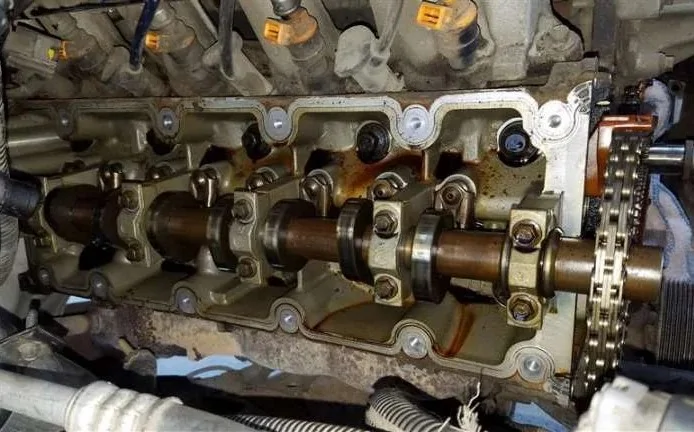
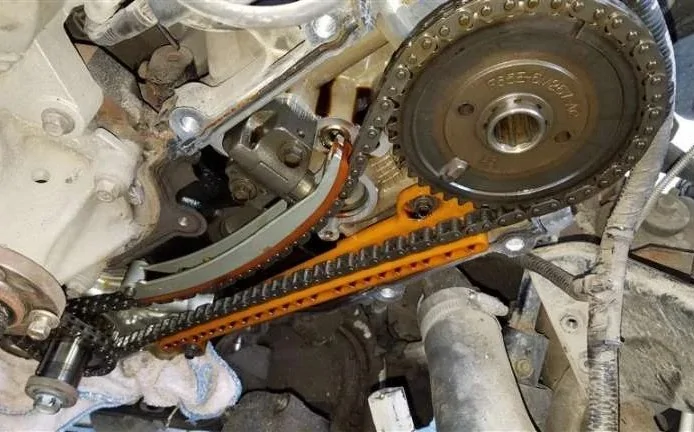
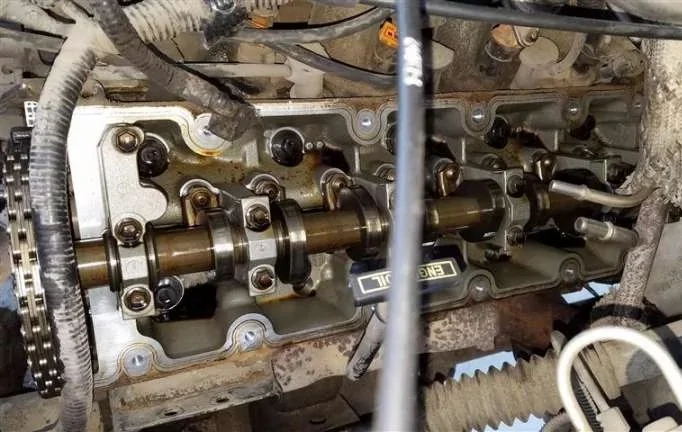
I had a 98 F-150 I bought new with the 4.6L V8. I always changed the oil at around 5K intervals with M1 5w-30. At over 100K miles I started using SuperTech Synthetic oil. At close to 250K miles I changed the timing chain and guides. I was pleased how the engine looked under the cam covers. That truck is pushing close to 300K miles with the new owner. Oil change intervals do matter.

Ford Ranger Why Oil / Filter change intervals matter - visual proof 20190620_092617 (Small)


Ford Ranger Why Oil / Filter change intervals matter - visual proof 20190620_092638 (Small)


Ford Ranger Why Oil / Filter change intervals matter - visual proof 20190620_092604 (Small)
 

JustNick

Well-Known Member
First Name
Nick
Joined
May 28, 2024
Threads
7
Messages
179
Reaction score
200
Location
BatonRouge
Vehicle(s)
Shelter Green Ranger Raptor
Occupation
SOLA Motorsports
" In order to understand heat transfer, you have to think in terms of heat flow through all of its paths. " In order to understand the operation of heat transfer from the developed purpose of said means you need to understand how all the means of heat transfer applies to the given subject at hand how they operate together, the different metals/fluids and flow, direction, covection, conduction and radiation work as a team to meat the ends of said transfer purpose! Antifreeze is a chemical reaction to alter waters natural abilitites for a said purpose. Motor oils are chemical stews to alter crude oils natuaral properties, all have to be considered as a team because that's how they work. Books and theory many times do not apply in the real world per the written word, it is only a starting point to learn what actually takes place per the situation. You stick with your engineering I'll stick to my real world experiences from hands on mechanical, electrical and science backgounds. :sunglasses:
Look man, I'm not trying to flame you or anything, but that was a lot of words that didn't really say anything. You're arguing that a basic principle of thermo and fluid dynamics doesn't exist or isn't effective with nothing more than "trust me bro, street smarts"

And again, I work in the industrial sector designing, repairing, and modifying large scale reactors, heat exchangers, etc. so I'm not just talking theory. What Hurricane said was correct, whether or not you chose to accept it. This is more than writings in a book, I've been working with this stuff in the field for over a decade.

Also, your statement that motor oils are a "stew of chemicals that alter crude oils properties" is patently false. Crude oil is heavily distilled after being cracked in either a cat cracker or a hydro cracker, etc(depending on the unit design), separated into several different fluid streams based on the different hydrocarbon boiling points in a distillation column, then distributed into other units of a refinery to be further processed. You don't have straight crude with some zinc in it flowing around your engine. Not that it has anything to do with the thermosyphon effect in a turbo charger, just wanted to point that out.

What exactly is it you're trying to say here?I've lost sight of what it is that you're arguing
 
Last edited:
OP
OP
MasterCylinder

MasterCylinder

Well-Known Member
First Name
Jay
Joined
Aug 2, 2025
Threads
20
Messages
293
Reaction score
452
Location
Texas
Vehicle(s)
2025 XLT FX4, 1991 1st Gen Ranger
Occupation
Retired, FF, CET, Mechanic
Look man, I'm not trying to flame you or anything, but that was a lot of words that didn't really say anything. You're arguing that a basic principle of thermo and fluid dynamics doesn't exist or isn't effective with nothing more than "trust me bro, street smarts"

And again, I work in the industrial sector designing, repairing, and modifying large scale reactors, heat exchangers, etc. so I'm not just talking theory. What Hurricane said was correct, whether or not you chose to accept it. This is more than writings in a book, I've been working with this stuff in the field for over a decade.

Also, your statement that motor oils are a "stew of chemicals that alter crude oils properties" is patently false. Crude oil is heavily distilled after being cracked in either a cat cracker or a hydro cracker, etc(depending on the unit design), separated into several different fluid streams based on the different hydrocarbon boiling points in a distillation column, then distributed into other units of a refinery to be further processed. You don't have straight crude with some zinc in it flowing around your engine. Not that it has anything to do with the thermosyphon effect in a turbo charger, just wanted to point that out.

What exactly is it you're trying to say here?I've lost sight of what it is that you're arguing
" You're arguing that a basic principle of thermo and fluid dynamics doesn't exist or isn't effective with nothing more than "trust me bro, street smarts" " It's called practical application and my "street smarts" started with several pieces of paper on the wall, again started with. not arguing just replaying to a long apparently AI copied flawed post. ""Also, your statement that motor oils are a "stew of chemicals that alter crude oils properties" is patently false."" You need to look at all the chemicals mixed into oils used for any application, motors , industrial etc.... Chemicals are added and used for purpose intended to alter their properties. Know how those chemicals with chemical numbers assigned to them are able to co-exist with each other and mix with each other? By other chemicals mixed in, to alter their properties to do so! Alone it runs around 5-8% by volume sometimes higher because it is a competitive market to sell their brand of oil. You might also look up why so called "synthetic motor oils" sold today in the US is not true synthetic! I'll give you a hint it began back in the 90's! This post started as OIL Filter Changes. The End!
Sponsored


Top