
Sponsored

Go to oil for 2.7

bulldogdad02

Member
First Name
Alex
Joined
May 22, 2026
Threads
4
Messages
6
Reaction score
13
Location
West Virginia USA
Vehicle(s)
2025 ranger xlt 2.7L
Occupation
Customer service tech in the healthcare field.
What oil do you all recommend for the 2.7 engines with the oil wet belt system.
Price doesn’t matter. I want to make sure I use the best there is for it. So wanting to see what your alls go to oil is. Before I change mine.
Sponsored

 

superj

Well-Known Member
First Name
Jason
Joined
Feb 8, 2025
Threads
41
Messages
3,535
Reaction score
3,279
Location
Corpus christi texas
Vehicle(s)
2024 ford ranger, 2019 wrangler, 2018 mazda3
Occupation
Retired
Mobil 1, royal purple, any name brand, really, as long as it meets the spec ford calls for
 

AugPal

Well-Known Member
First Name
Augie
Joined
Nov 8, 2024
Threads
20
Messages
277
Reaction score
225
Location
Chicago
Vehicle(s)
2024 Ford Ranger XLT 2018 Ford Fiesta
Occupation
Retired IBEW
I don't know why Ford still uses a wet belt system. I know it only powers the oil pump and is not part of the timing chain anymore. How that improves fuel economy is beyond me.
 

Sponsored

josephp732

Well-Known Member
First Name
Joe
Joined
Jun 21, 2025
Threads
8
Messages
219
Reaction score
328
Location
NJ & FL
Vehicle(s)
2025 Ranger Lariat 2.7l EB / 2021 4Runner TRD ORP
For the Ford 2.7L EcoBoost with its wet timing belt system, using an oil that meets Ford's specified viscosity and performance standards is critical for both engine durability and belt longevity.

The wet belt operates while immersed in engine oil, so the oil's chemistry directly affects the belt material over time. A high-quality PAO-based full synthetic oil provides excellent oxidation resistance, deposit control, and long-term viscosity stability while remaining compatible with modern engine seals and wet belt materials.

In contrast, a heavier ester-based formulation may not offer the same balance of wet-belt compatibility that a premium PAO-based oil provides.

For long-term ownership of a Ford wet-belt engine, using the correct Ford-approved viscosity and specification in a high-quality PAO synthetic oil is one of the best ways to promote timing belt longevity and overall engine reliability.
 

Roguescholar

Well-Known Member
First Name
Peter
Joined
Sep 11, 2025
Threads
7
Messages
72
Reaction score
132
Location
Colorado
Vehicle(s)
2025 Ford Ranger Lariat FX4 2.7L
Occupation
Photographer
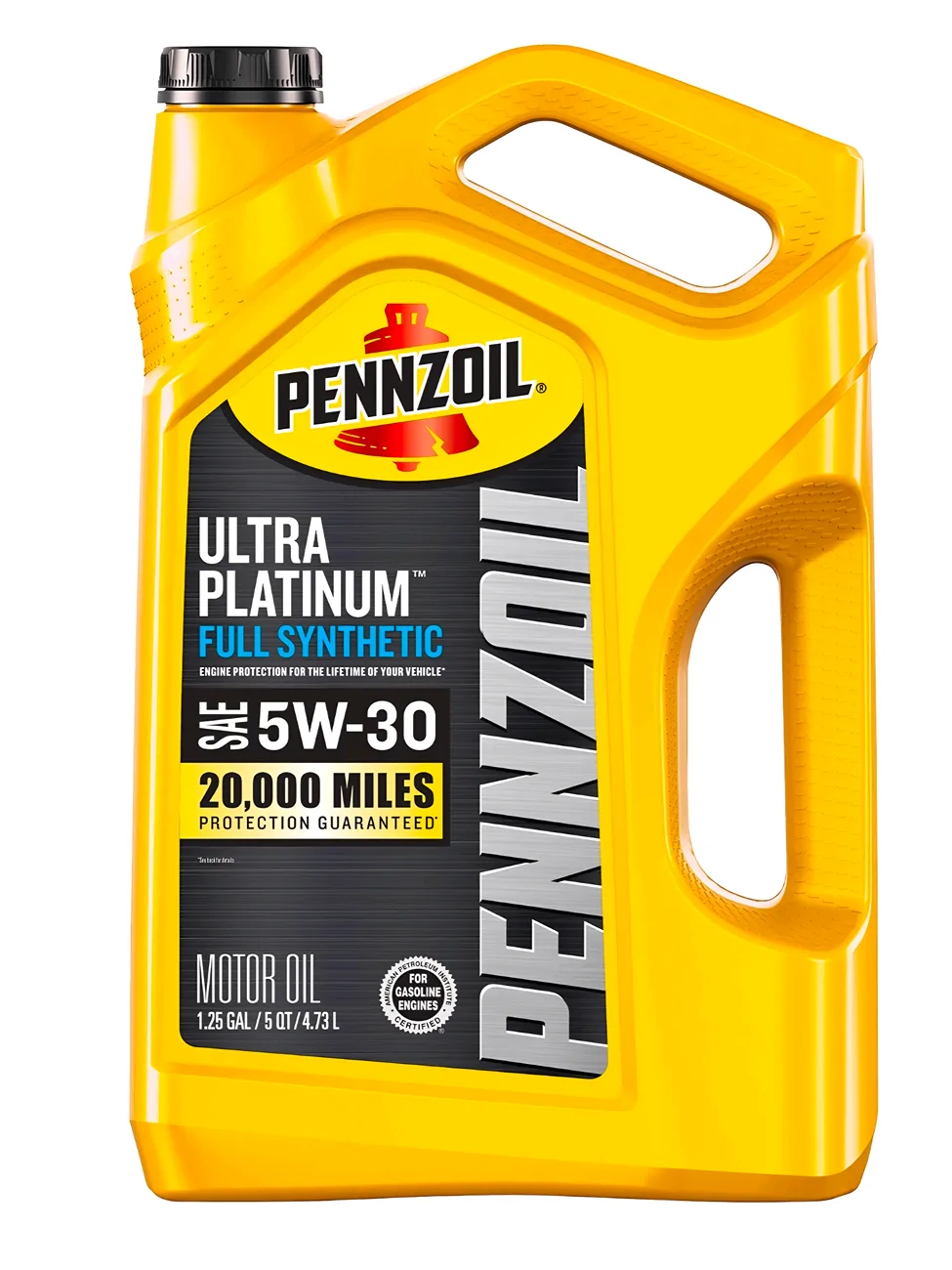
My preference is Pennzoil Ultra Platinum. It uses a very robust additives package and it's natural gas derived base oil provides really good shear stability and resistance to fuel dilution, both of which are critical for protecting the engine’s wet belt. Highly boosted, direct-injectioned engines like the 2.7 EcoBoost naturally suffer from raw fuel washing into the crankcase. Because of this it's a good idea to use an oil that's formulated to resist thinning and maintain it's viscosity when exposed to small amounts of raw fuel over time. This helps prevent the rubber belt from breaking down prematurely. It also meets Ford's WSS-M2C961-A1 specification.

That being said, there are a lot of good oils out there and while some synthetic oils are better formulated than others, as long as the oil meets Ford's WSS-M2C961-A1 specification the bigger factor at play is your mileage / time interval in between oil changes rather than the oil itself.

Ford Ranger Go to oil for 2.7 64392
 

hand-filer

Well-Known Member
First Name
Fred
Joined
May 16, 2024
Threads
10
Messages
642
Reaction score
1,029
Location
Manitoba, Canada
Vehicle(s)
2024 Ranger Lariat FX4
Pennzoil Ultra Platinum 5W-30 in the 2.7. Pennzoil Platinum Euro 5W-40 in the 5.0. I've used this oil for many years with excellent results.
I recently stocked up on Mobil 1 ESP 0W-30. This is also a very good PAO base stock oil with a robust additive package.
 

bigb

Well-Known Member
First Name
Brian
Joined
Aug 6, 2025
Threads
57
Messages
713
Reaction score
768
Location
Tucson
Vehicle(s)
2025 Ranger 2.7
Another vote for Penzoil Ultra full synthetic, I've seen two tests where it came out at the top of the pile, one by the Oil Geek and another by an independent tester.
 

Sponsored

TurboRanger

Well-Known Member
First Name
Jack
Joined
Apr 10, 2025
Threads
13
Messages
194
Reaction score
146
Location
Oakley , Comifornia
Vehicle(s)
2024 Ranger Lariat 2.7 2021 Ranger XLT
Occupation
Retired Truck Mechanic
You can find Pennzoil Ultra Platinum 5W-30 at Wallymart for almost 1/2 price
 

Roguescholar

Well-Known Member
First Name
Peter
Joined
Sep 11, 2025
Threads
7
Messages
72
Reaction score
132
Location
Colorado
Vehicle(s)
2025 Ford Ranger Lariat FX4 2.7L
Occupation
Photographer
I don't know why Ford still uses a wet belt system. I know it only powers the oil pump and is not part of the timing chain anymore. How that improves fuel economy is beyond me.
It’s because the belt is lubricated. Having the belt lubricated, as opposed to running dry in open air, reduces friction by about 30%. That translates to roughly a 1% improvement in fuel economy.

Given the potential downsides, I’m not sure that design is worth it, considering that a 1% improvement in fuel economy only saves about two and a half tanks worth of gas over 100,000 miles, but regardless those are the numbers.
 

stemplar

Well-Known Member
Joined
Sep 7, 2023
Threads
19
Messages
692
Reaction score
982
Location
Pennsylvania
Vehicle(s)
2025 Ranger Lariat 2.7

stemplar

Well-Known Member
Joined
Sep 7, 2023
Threads
19
Messages
692
Reaction score
982
Location
Pennsylvania
Vehicle(s)
2025 Ranger Lariat 2.7
For the Ford 2.7L EcoBoost with its wet timing belt system, using an oil that meets Ford's specified viscosity and performance standards is critical for both engine durability and belt longevity.

The wet belt operates while immersed in engine oil, so the oil's chemistry directly affects the belt material over time. A high-quality PAO-based full synthetic oil provides excellent oxidation resistance, deposit control, and long-term viscosity stability while remaining compatible with modern engine seals and wet belt materials.

In contrast, a heavier ester-based formulation may not offer the same balance of wet-belt compatibility that a premium PAO-based oil provides.

For long-term ownership of a Ford wet-belt engine, using the correct Ford-approved viscosity and specification in a high-quality PAO synthetic oil is one of the best ways to promote timing belt longevity and overall engine reliability.
This is good information! What isn’t mentioned are Group III bases, perhaps because they’re technically not synthetic like PAO or Ester bases, but can be refined to the point of being called “synthetic” (at least here in the US, where synthetic has largely been reduced to a marketing term). Group III are cheaper, have additive compatibility similar to the PAO’s, but lack the chemical stability of true synthetics. A very popular Group III oil is Pennzoil “synthetic”.
Sponsored


Top