1996-to-2025
Well-Known Member
What gets me is no one complains about the wet belt in the oft desired and lauded Coyote 5.0. The poor ol' 2.7 gets unfairly bashed IMO. I'm not concerned one bit about it.
Sponsored

exactly, I stated this in another post as well, its not an issue.What gets me is no one complains about the wet belt in the oft desired and lauded Coyote 5.0. The poor ol' 2.7 gets unfairly bashed IMO. I'm not concerned one bit about it.
With regard to the 5.0 Coyote, mine has the oil pump that is direct driven off the crankshaft. I would much prefer to have it belt driven. The direct oil pumps are the weak link in high performance applications. No such issues with the belt drive system which has been tested in 1,000+ HP applications.What gets me is no one complains about the wet belt in the oft desired and lauded Coyote 5.0. The poor ol' 2.7 gets unfairly bashed IMO. I'm not concerned one bit about it.
Here's my take.What do you guys think of this cheap wet belt and issues in the future? Until 2017 the 3.0 ecoboost oil pump was chain driven. .
This is a big engineering downgrade, and don’t come with things like less friction an emissions, because this is a fail on purpose design. .
Ryan, I think people are skeptical/traumatized after the cascade of design failures from Ford. The 2.3 in the RS (same engine architecture as the Ranger) was blowing head gaskets before the update. Luckily the Ranger got the benefit of the improved 2.3L. The 1.5L i4 in the Escape was junk, headgaskets. The 1.0 i3 in the Focus/Ecosport was junk - actually wet belt failures happening was why that motor got recalled. The 3.5 Ecoboost cam phasers, intercooler, turbo issues and more.Here's my take.
1. Remember thay MOST of the people here and on the internet that are bitching about it have never had an issue and are mostly dramatic
2. If you change your oil regularly and do the recommended maintenance at every interval, you're probably not going to have an issue.
3. I take my Ford's to the local Quick Lane and have had amazing experience. Doing that also creates a traceable history in case anything does go wrong.
Do the maintenance recommended and don't ruin your experience of an amazing truck listening to the naysayer fools on the internet or worrying!
Ive had multiple 3.5s that went well over 100K with zero issues. Im not saying everything is rainbows and butterflies, but it's not as bad as the internet makes it out to be.Ryan, I think people are skeptical/traumatized after the cascade of design failures from Ford. The 2.3 in the RS (same engine architecture as the Ranger) was blowing head gaskets before the update. Luckily the Ranger got the benefit of the improved 2.3L. The 1.5L i4 in the Escape was junk, headgaskets. The 1.0 i3 in the Focus/Ecosport was junk - actually wet belt failures happening was why that motor got recalled. The 3.5 Ecoboost cam phasers, intercooler, turbo issues and more.
23S64: EcoSport and Focus (2016-2022) Engine Oil Pump Failure Recall
You've gotta do your research before buying a Ford, that's just the cold hard truth, because they do put out gold and garbage.

I wholly and completely agree with this statement. I'd say about 7 years/ 100k miles is where the carnage will start. Only a fool or an idiot....The issue is that this is no idiot nor stupid thinker. . This was reengineered to fail and to save money in chain, guide and tensioner, for it to cause issues in medium term. . Replacing the belt is serius job, removing front of engine cover etc. . It limits oil compatibility, and life time of the engine.
I think they should face a class action to start manufacturing chain and tensor to update this engines. .
Well, my understanding is that the 2.7 originally had a chain, and there is a retrofit kit available from Ford.This and weight were the two main reasons for getting the 2.3L MPC. After driving the dinky 4cyl 1000 miles, I can't say I'm wanting for more power.
To be fair, there are 300k and maybe even 500k mile examples of 2.7s in other Fords already. But that's over 3-5 years of hard use, let's see how the belt looks after 10, 15, or 20 years.
And yet my Friend's 21' Explorer ST has 130k+ miles on it, run out to 10k intervals with just MC Blend, he only recently switched to FS. Did UOI's on it periodically and for his uses, it was working just fine. Time will tell but seems to go against the common ideology of "if it's a belt, it must fail".I wholly and completely agree with this statement. I'd say about 7 years/ 100k miles is where the carnage will start. Only a fool or an idiot....
The 2.3, at least the version up to 2024, has a chain . Only a fool or an idiot....
Man I don't know what happened, but running around and trying to convince folks a 4 year old engine is reliable because it hasn't died ain't it.And yet my Friend's 21' Explorer ST has 130k+ miles on it, run out to 10k intervals with just MC Blend, he only recently switched to FS.
I think there is a fundamental misunderstanding of the issue here. We aren't talking about manufacturing defects or quality control slips.Are oil pump belts that susceptible that very small manufacturing issues cause catastrophic failures?
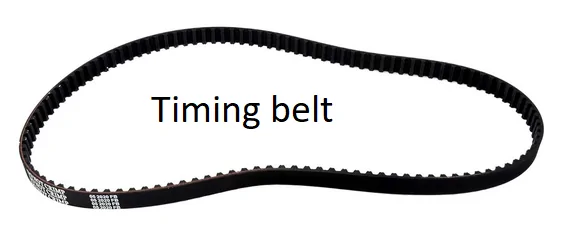
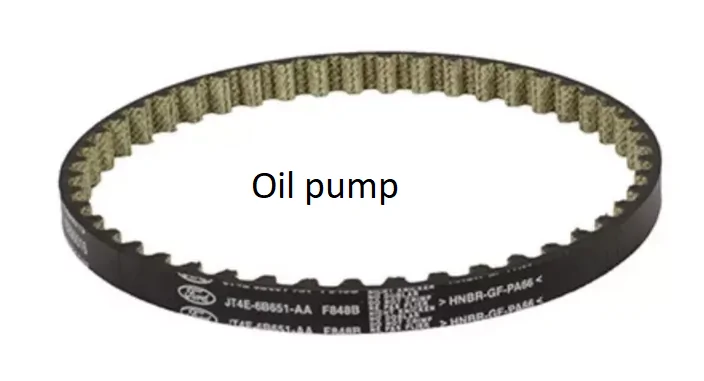
Your concerns are warranted but stem from old technology and early on experience in materials and design with oil bathed timing belts, oil bathed oil pump belts from all the way back to 2008 and failures. This can stroke an emotional issue with some but if the design was problematic we would see an internet riff with the reports/recalls. We all learn from our mistakes and manufactures pay in recalls to address issues and yes they learn to. In 2021 Ford actually tested the 5.0l coyote oil pump belt all the way up a 1100 hp engine. In hate to burst your bubble but as we the consumer respond to more performance gains/mpg manufactures do to. Longevity in engines is a big concern. Well timing belts went back to chain drives in many engines for several reasons a big one was, component load, more valves, cams etc.... Chains can stretch much further than any timing belt, depending on particulars of the engine and still work fine. Those chain setups have a higher friction coefficient than any rubber belt. EPA guide lines if not met, cost them money so that loss had to be made up for, aka oil drive belts and drive systems which vary pressure among other things to meet guidelines. The belts today are made with Kevlar not the rubber ingredients of old, plus larger cogs, much shorter and rounded gear teeth not the common squared found in the older timing belts which also went to a more rounded design today to reduce friction and many moved to the Kevlar. See Pictures. So if overall testing shows a certain percentage in friction reduction and says gives them .3% mpg gain toward EPA standards multiply that times the sales numbers. That's big bucks in comparison of not meeting EPA can cost manufactures hundreds of dollars per vehicle. Oil changes and type as others have mentioned are key! Some of those belts are 7-8 years old now with whatever miles. Untold hopped up coyotes with the belt. I can't tell you how many of the old style timing belts I've replaced well above the recommended 70000 miles back then in motors with 120000 plus on them. Bad news lives a long life and strokes fears, where as good news seldom gets reported. Hope this helps with all of ours OCD on the belts but hey we still have warranty, don't we, I hope! Time will tell along with mileage but I'm not going to loose any sleep over it. Ranger On!What do you guys think of this cheap wet belt and issues in the future? Until 2017 the 3.0 ecoboost oil pump was chain driven. .
This is a big engineering downgrade, and don’t come with things like less friction an emissions, because this is a fail on purpose design. .