
Sponsored

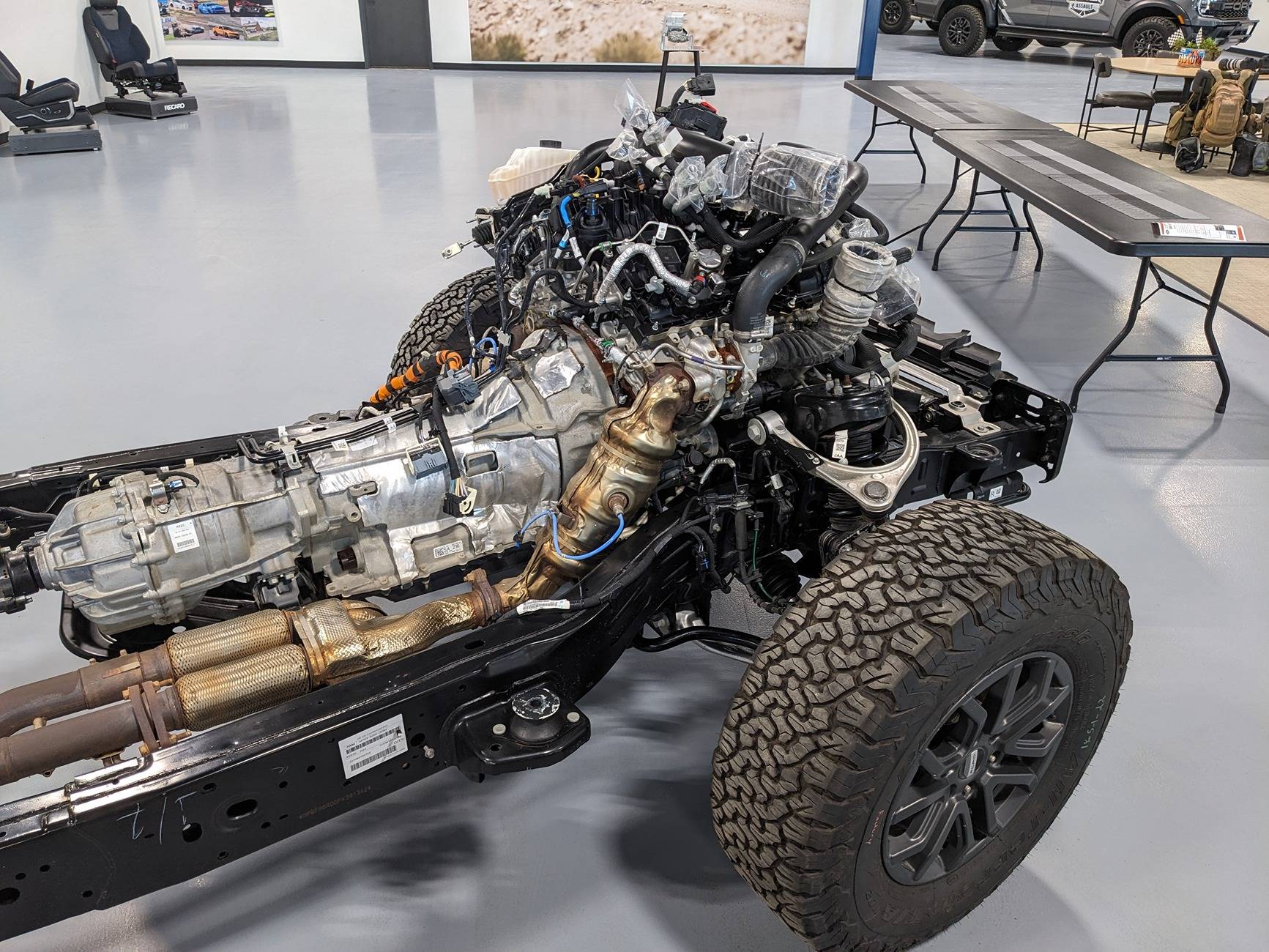
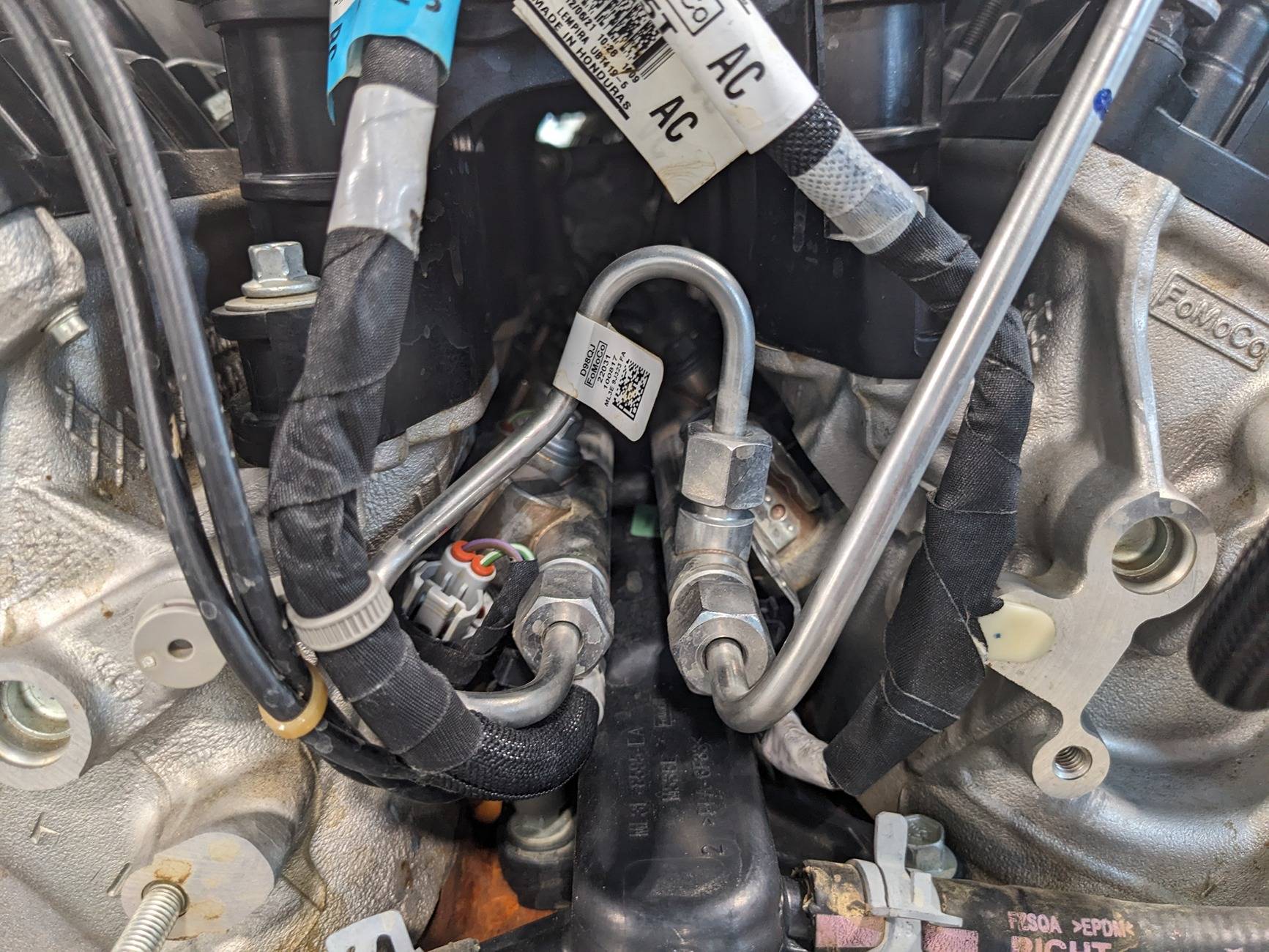
3.0 eco boost engine intake valves and direct injection!

TheRealSasquatch

Well-Known Member
Joined
Dec 30, 2024
Threads
1
Messages
72
Reaction score
87
Location
USA
Vehicle(s)
Bronco
I would like to see photos because this is a downgrade ford made from the 2.7 engine and the 3.5.
I had the idea that the 3.0 exoboost would be a reliable work horse. . And missing Port injection, probably Will make it a low reliability engine.

Are there know cases of carbon built up?
Here is the thread these are from I did the heavy lifting for you! 🤪
Ford Ranger 3.0 eco boost engine intake valves and direct injection! IMG_0508
Ford Ranger 3.0 eco boost engine intake valves and direct injection! IMG_0507
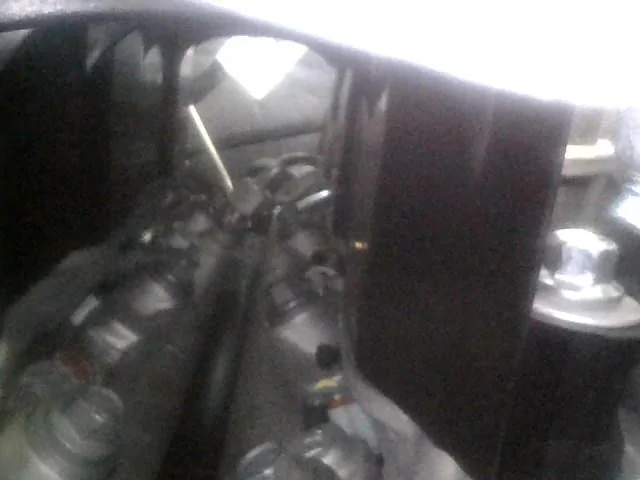
Ford Ranger 3.0 eco boost engine intake valves and direct injection! IMG_0506
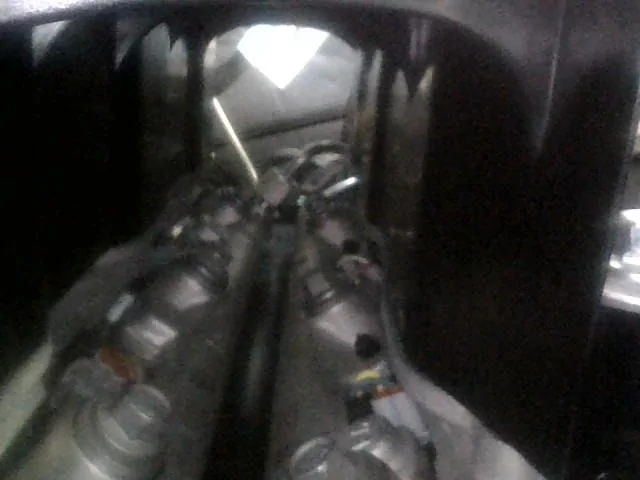
Ford Ranger 3.0 eco boost engine intake valves and direct injection! IMG_0505
Sponsored


TheRealSasquatch

Well-Known Member
Joined
Dec 30, 2024
Threads
1
Messages
72
Reaction score
87
Location
USA
Vehicle(s)
Bronco
Iam a bit speechless having in consideration this engine is in production since 2016 and there is not an exploded diagram of the engine, and other information based on technical information. .also engine revisions etc 😱
There are exploded diagrams check this old post it’s all in there.
Direct and port injection.
 

Lion77

Well-Known Member
Joined
Feb 27, 2025
Threads
28
Messages
786
Reaction score
1,150
Location
United States
Vehicle(s)
2024 Ranger Raptor
Occupation
Electrical Engineer
Going to make my plug again for In Situ DLC films: Informational - Science / History Behind In Situ DLC Coatings for ICE and Transmission / Gearbox Applications | Ranger6G - 2024+ Ranger & Raptor Forum, News, Owners, Community (6th Gen)

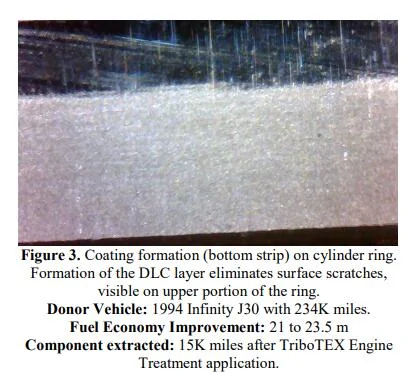
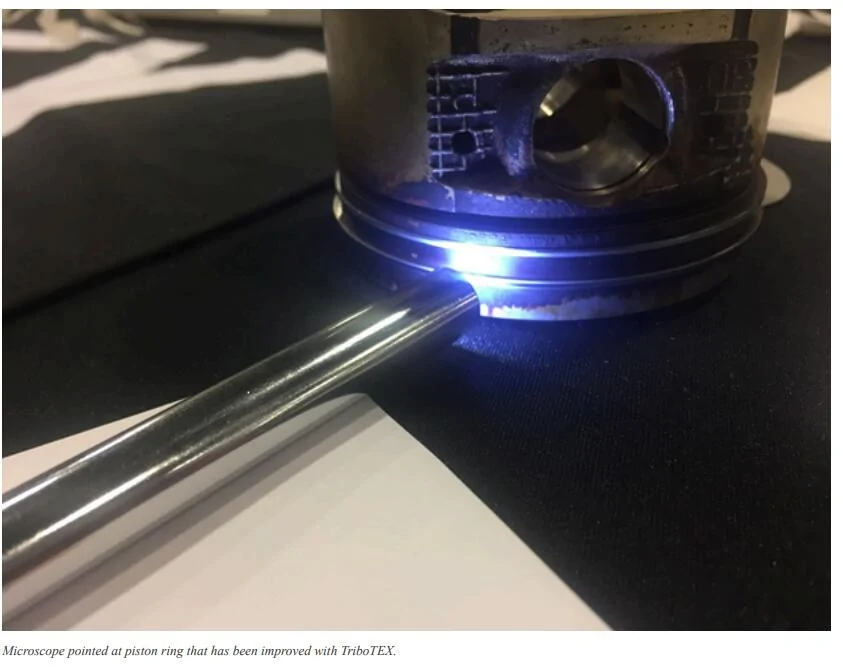
It's a well proven fact that that synthetic MSH forms on piston rings and enhances ring seal and achieves a traction coefficient of about 0.01, which is the theoretical lower limit of lubricity:

Ford Ranger 3.0 eco boost engine intake valves and direct injection! 1755779481392-qt
Ford Ranger 3.0 eco boost engine intake valves and direct injection! 1755779489724-mv


Almost all of your oil vaporization occurs in the upper cylinder group where the oil lubrication of the cylinder walls is very limited. The oil is also not replenished as rapidly as it is in the journal bearings because there's no continuous pressure behind it, it's just sprayed under the pistons and on the walls as a byproduct of oiling the wrist pin and cooling the piston via oil squirters if so equipped.

So that's where nearly all your vaporization occurs and it's also where over time, as the rings wear, more oils get past the rings into the combustion chamber. Vaporized oil 1. dilutes fuel octane and causes the ECU to retard timing 2. Poisons your catalyst 3. Cakes the intake valves. 4. Fouls plugs and finally 5. Over time can cause stuck rings that no longer float in the grooves due to excessive sludge buildup (do a search for Valvoline's oil test between synthetic and blended oils in two Ford Explorer 2.3L EB's, there's substantial difference over time).

That's why I 1. use only OE style paper air filters as they have better filtration to avoid caking the intake valves and upper cylinder groups with fine dust 2. use synthetic oils as the synthetic base oil has lower vaporization rates than blended base oils 3. Use TriboTEX In Situ DLC films as part of regular maintenance to promote ring seal, reduce ring wear rates and reduce localized friction heating at the ring / cylinder wall contact points, which further reduces vaporization (as well as blow-by on cold starts) as a multi-pronged strategy to mitigate GDI intake valve buildup.

Finally, maybe at longer intervals, maybe 50k to 100k, periodic intake valve cleaning. 99% of this stuff you can do yourself as part of regular maintenance.
 
Last edited:

Sponsored

Mystic

Well-Known Member
First Name
Rusty
Joined
Nov 26, 2024
Threads
4
Messages
149
Reaction score
226
Location
SoCal
Vehicle(s)
'24 RR, '25 Explorer ST
Occupation
Estimator
Going to make my plug again for In Situ DLC films: Informational - Science / History Behind In Situ DLC Coatings for ICE and Transmission / Gearbox Applications | Ranger6G - 2024+ Ranger & Raptor Forum, News, Owners, Community (6th Gen)

It's a well proven fact that that synthetic MSH forms on piston rings and enhances ring seal and achieves a traction coefficient of about 0.01, which is the theoretical lower limit of lubricity:

1755779481392-qt.png
1755779489724-mv.png


Almost all of your oil vaporization occurs in the upper cylinder group where the oil lubrication of the cylinder walls is very limited. The oil is also not replenished as rapidly as it is in the journal bearings because there's no continuous pressure behind it, it's just sprayed under the pistons and on the walls as a byproduct of oiling the wrist pin and cooling the piston via oil squirters if so equipped.

So that's where nearly all your vaporization occurs and it's also where over time, as the rings wear, more oils get past the rings into the combustion chamber. Vaporized oil 1. dilutes fuel octane and causes the ECU to retard timing 2. Poisons your catalyst 3. Cakes the intake valves. 4. Fouls plugs and finally 5. Over time can cause stuck rings that no longer float in the grooves due to excessive sludge buildup (do a search for Valvoline's oil test between synthetic and blended oils in two Ford Explorer 2.3L EB's, there's substantial difference over time).

That's why I 1. use only OE style paper air filters as they have better filtration to avoid caking the intake valves and upper cylinder groups with fine dust 2. use synthetic oils as the synthetic base oil has lower vaporization rates than blended base oils 3. Use TriboTEX In Situ DLC films as part of regular maintenance to promote ring seal, reduce ring wear rates and reduce localized friction heating at the ring / cylinder wall contact points, which further reduces vaporization (as well as blow-by on cold starts) as a multi-pronged strategy to mitigate GDI intake valve buildup.

Finally, maybe at longer intervals, maybe 50k to 100k, periodic intake valve cleaning. 99% of this stuff you can do yourself as part of regular maintenance.
I bought some TriboTex the other day. Waiting to put it in until next oil change, though, since it wants 500 miles of break in.
 

Lion77

Well-Known Member
Joined
Feb 27, 2025
Threads
28
Messages
786
Reaction score
1,150
Location
United States
Vehicle(s)
2024 Ranger Raptor
Occupation
Electrical Engineer
You should not use it until your engine is fully worn it. I would wait until there is at least 5k miles on the engine first.

It takes about 500 miles (40 motor hrs) for the DLC film to fully form. It forms very rapidly on cam lobes and bearings but takes a while to form on the rings since they see very little oil during lubrication normal operation, so the wear-in process is longer for the rings.

The piston rings are also your highest wear area in any ICE for that very reason, they are not well lubricated by oil compared to all the other bearing surfaces.

You don't want it to form on rings that aren't fully seated (worn in) as that would prevent proper break-in, so just to clarify, be patient, break in the engine fully first (with some margin of safety), then apply as part of regular maintenance.
 

Aemonn

Well-Known Member
Joined
Jul 8, 2024
Threads
2
Messages
205
Reaction score
266
Location
USA
Vehicle(s)
Ranger Raptor
You should not use it until your engine is fully worn it. I would wait until there is at least 5k miles on the engine first.

It takes about 500 miles (40 motor hrs) for the DLC film to fully form. It forms very rapidly on cam lobes and bearings but takes a while to form on the rings since they see very little oil during lubrication normal operation, so the wear-in process is longer for the rings.

The piston rings are also your highest wear area in any ICE for that very reason, they are not well lubricated by oil compared to all the other bearing surfaces.

You don't want it to form on rings that aren't fully seated (worn in) as that would prevent proper break-in, so just to clarify, be patient, break in the engine fully first (with some margin of safety), then apply as part of regular maintenance.
You may have covered this in one of your previous posts and I missed it. What tests, if any have been done regarding the effects this may or may not have, good or bad, on the wet belt driving the oil pump in the 3.0 or wet belts in general?

Is there any sort of warranty or guarantee regarding this? I.e. if there is a negative reaction does TriboTex offer to assist in the remedy?
 

Lion77

Well-Known Member
Joined
Feb 27, 2025
Threads
28
Messages
786
Reaction score
1,150
Location
United States
Vehicle(s)
2024 Ranger Raptor
Occupation
Electrical Engineer
You may have covered this in one of your previous posts and I missed it. What tests, if any have been done regarding the effects this may or may not have, good or bad, on the wet belt driving the oil pump in the 3.0 or wet belts in general?

Is there any sort of warranty or guarantee regarding this? I.e. if there is a negative reaction does TriboTex offer to assist in the remedy?
I'm not aware of any specific tests just for compatibility with wet belts, but it will not form on the belt itself and is chemically inert (much more so than ZDDP). I would also make the argument that there are now well over 50,000 cars using this and I've not seen a single instance of any issues with compatibility with wet belts for the oil pumps. It doesn't alter your motor oil's chemical formula, it's suspended in a PAO base oil and uses the oil as a carrier to locations of heat and pressure (only forms on rubbing pairs, it's not a coating that coats every surface it contacts).

Remember, the 5.0L and all Ecoboost and most other engines from Chevy, Doge, all the Jap companies like Mazda, Honda, Toyota etc. use wet belts now. I have not had any issues with our Mazda's which also use wet belts in the Sky Active engines. I used in my 2016 GT that I had for a few years before trading it in (not oil related issues).

My wife's 2018 CX-9 with a 2.5L SkyActive Turbo has been treated with DLC films since it had just 12k miles on it, now has 125k miles and doesn't use any oil over 7k intervals. Also have a 2023 Mazda 3 that I've been using DLC films that has their 2.5L NA that I bought brand new (started at 10k miles), at 58k now, no issues related to oil pump wet belts.

None of the original testing showed any issues in any of the test vehicles (including actual engine tear downs, see the original thread, documents attached) and I"m not aware of a single failure of oil pump belts. Good question, but the answer is, I'm not aware of a single issue, but no there isn't a specific test just for that.

Note that it won't form on a wet-belt since there isn't enough heat / pressure per sq inch like there is on journal bearings, camp lobes, timing chains and piston rings etc. and I'm not aware of a single instance of anyone using TriboTEX DLC films or any competing technology (Liqui Moly, Arch oil etc.) that has had any effect on wet belts.

For example, in the manual gearbox formula, it typically will NOT form on syncro's because they don't see enough load for it to form, just like it does not form on torque lock friction plates in an automatic because they aren't under constant heat and pressure loads (torque lock clutches will slip momentarily during engagement, but not once engaged, unlike the gear faces or bearings which are always under heat and pressure loads while driving).

Hopefully that clears things up. Of note, acids are the biggest weakness of DLC films, but that's true of your entire engine and the factory applied DLC films on say your valve stems, so if you don't want rapid degradation of the TriboTEX DLC film once formed, change oil regularly just like normal maintenance (i.e., at regular intervals, and if you do storage during winter, store it with fresh oil).
 
Last edited:

Aemonn

Well-Known Member
Joined
Jul 8, 2024
Threads
2
Messages
205
Reaction score
266
Location
USA
Vehicle(s)
Ranger Raptor
Most of the applications I've seen with customer feedback on this product are older cars. Cars pre 2010. Engines were made very differently back then. I'm curious about the product and have confidence it at least won't cause problems for all metal components within the engine., but potential issue with the wet belt gives me pause until I can specific testing and/or long term customer feedback with these specifically.

Which Japanese vehicles that have been out for more than 5+ years use wet belts in the USA market? When I look up vehicles that use wet belts I see fords and then models released in non USA markets such as Toyota Aygo and some VWs and a single Honda.

I'll probably pick some up and try it in my 2016 kia at some point, but that won't tell me much regarding the wet belt in my Ranger Raptor. Considering the risk regarding the cost of replacement of the oil pump belt it's not something I'd want to walk into blind.
 
Last edited:

Sponsored

Lion77

Well-Known Member
Joined
Feb 27, 2025
Threads
28
Messages
786
Reaction score
1,150
Location
United States
Vehicle(s)
2024 Ranger Raptor
Occupation
Electrical Engineer
Never had any issues in my 5.0L Coyote, that is belt driven oil pump. Yes, the 5.0's use belt driven oil pumps and people were freaking out on the Mustang and F-150 forums when they finally realized the 5.0's actually do.

Plenty of F-150 and Mustang owners that have used it and still are, but I understand your caution.
 

Lion77

Well-Known Member
Joined
Feb 27, 2025
Threads
28
Messages
786
Reaction score
1,150
Location
United States
Vehicle(s)
2024 Ranger Raptor
Occupation
Electrical Engineer

hand-filer

Well-Known Member
First Name
Fred
Joined
May 16, 2024
Threads
10
Messages
631
Reaction score
1,013
Location
Manitoba, Canada
Vehicle(s)
2024 Ranger Lariat FX4
Never had any issues in my 5.0L Coyote, that is belt driven oil pump. Yes, the 5.0's use belt driven oil pumps and people were freaking out on the Mustang and F-150 forums when they finally realized the 5.0's actually do.

Plenty of F-150 and Mustang owners that have used it and still are, but I understand your caution.
Your Mustang had the same direct drive oil pump that my 2012 has. The '21 and newer F-150 5 litre V-8's have the belt drive oil pumps.
Personally I would prefer the belt driven setup. The powdered metal oil pump gears are the weakest link on the Mustang Coyote engines, followed by the powdered metal crank gear.


Top