
Sponsored

JustNick

Well-Known Member
First Name
Nick
Joined
May 28, 2024
Threads
7
Messages
179
Reaction score
200
Location
BatonRouge
Vehicle(s)
Shelter Green Ranger Raptor
Occupation
SOLA Motorsports
Not to beat a dead horse here, but also considering some upgrades with the IC & pipes.

Based on looking through this forum, seems Cobb and Turbosmart is about as close as keeping everything stock?

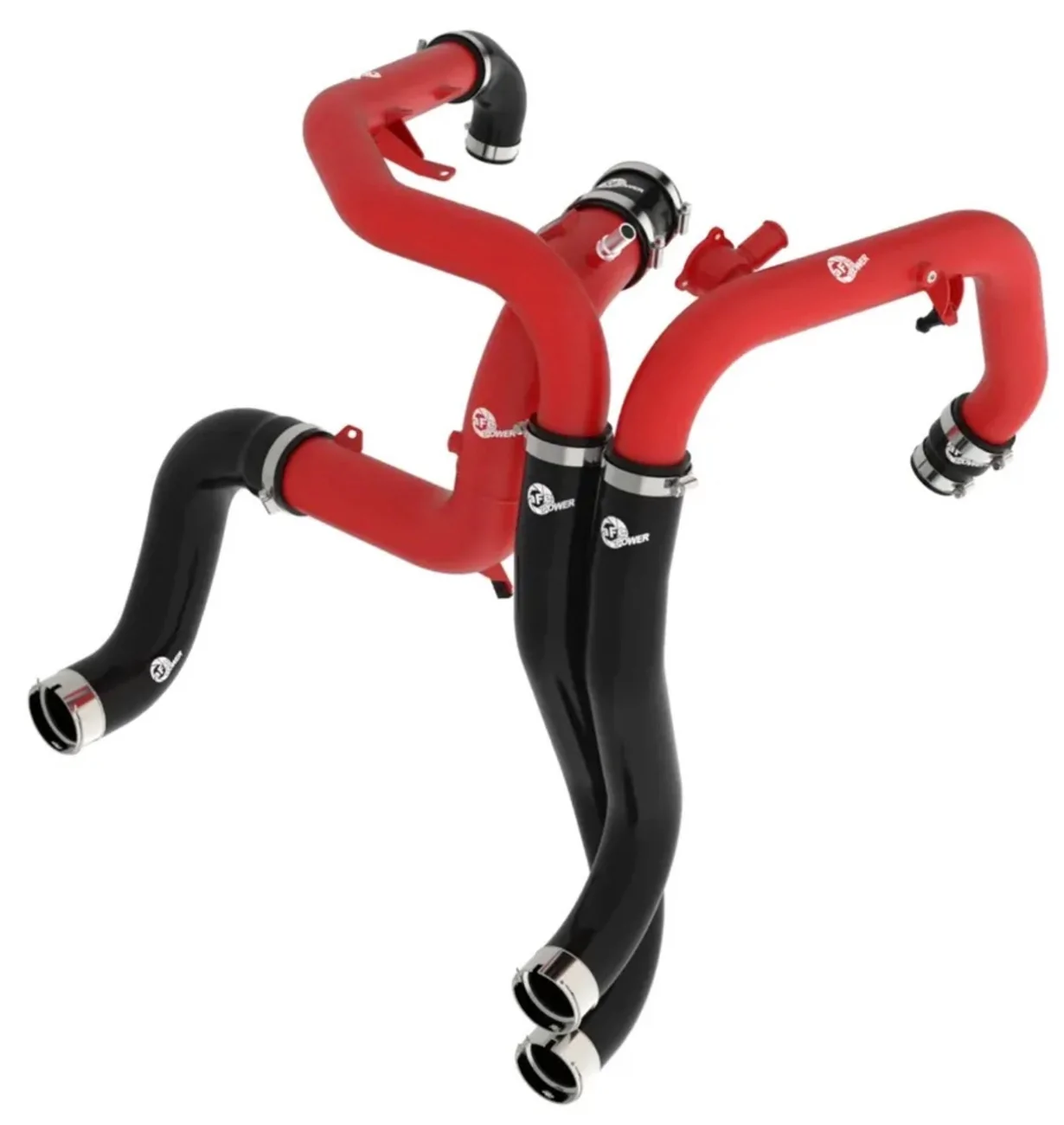
Also, does anyone find value with changing charge pipes? Ive only seen CVF and AFE, any other considerations? Pricing between the 2 is a few hundred bucks.. any have a preference?

Chris
I've done the math a couple of times and you're really not going to find any value in charge pipes until you're getting into aftermarket turbos and the Nostrum catalog. The extra flow capacity of larger pipes doesn't equate to any gains in terms of reducing pressure drop. Now if you like the look of them more than you care about the performance (which is totally valid) then I'm quite partial to CVF for $ per diameter value
Sponsored


25BlackRaptor

Well-Known Member
First Name
Chris
Joined
Oct 21, 2025
Threads
8
Messages
79
Reaction score
103
Location
Charlotte, NC
Vehicle(s)
25 RR
Completely fair on challenging the worth of buying new charge pipes... after some quick research, perhaps some other mods would be better to toss the dollars to.

For me, still a toss up on cobb vs turbosmart for ICs.
 

DanielRayJ

Well-Known Member
First Name
Daniel
Joined
Aug 3, 2025
Threads
1
Messages
48
Reaction score
25
Location
Highlands, Texas
Vehicle(s)
2025 FORD RANGER RAPTOR
Occupation
Retired
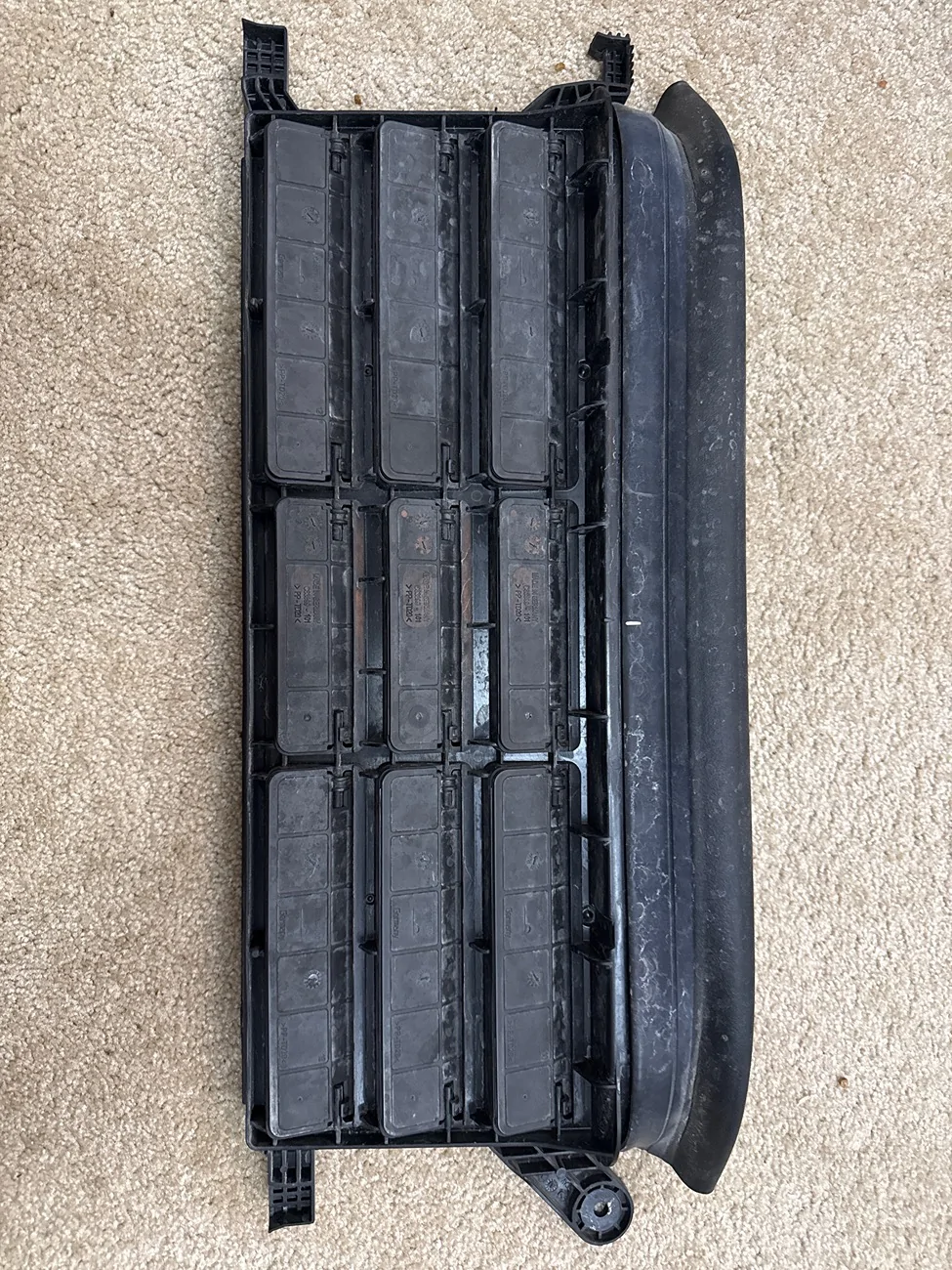
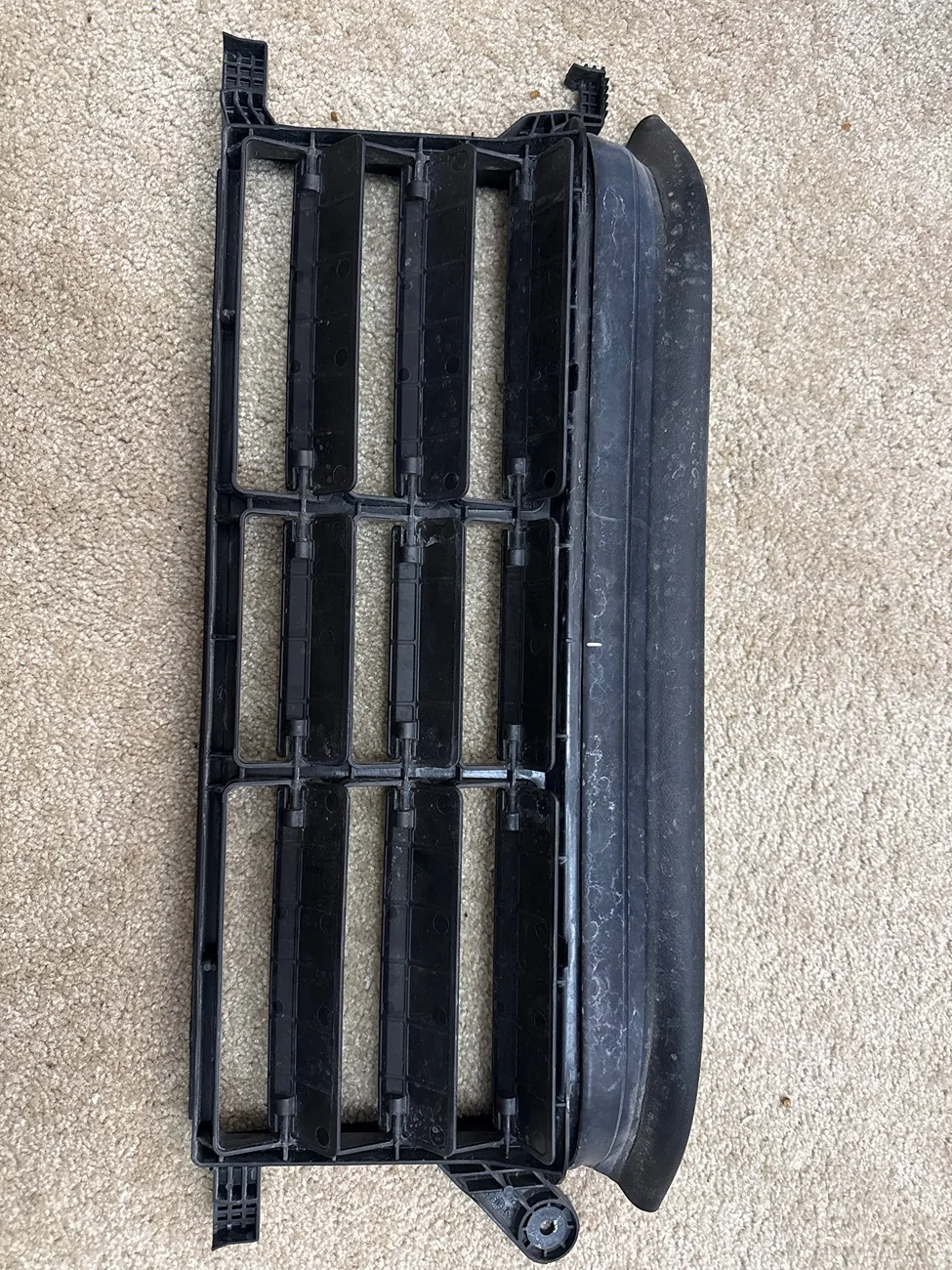
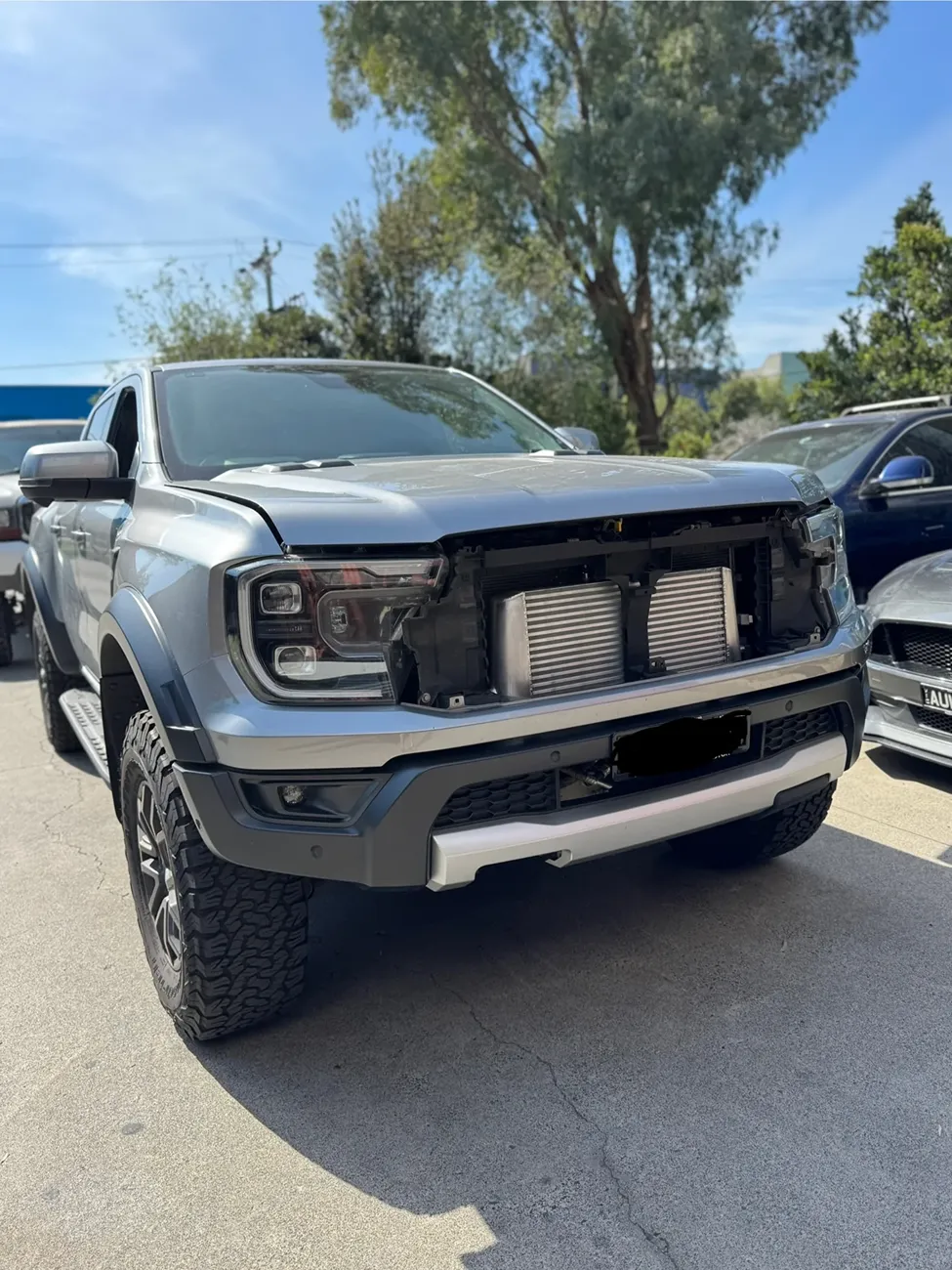
Ok I have read thru the entire Thread and have not found out what I am about to ask. Has anyone just taken off the Louvers on the backside of the stock IC? It really is simple. Pull the outlet pipe of the IC and there is one 10mm screw/bolt to take out and take it off. That’s it. Of course you got to put the hose/pipe back on.
Ford Ranger Ranger Raptor Intercooler List Thread imag
 

DanielRayJ

Well-Known Member
First Name
Daniel
Joined
Aug 3, 2025
Threads
1
Messages
48
Reaction score
25
Location
Highlands, Texas
Vehicle(s)
2025 FORD RANGER RAPTOR
Occupation
Retired
Gravity hold the louvers closed with no air flow. They can be taken off without removing the housing also. The effect if any may not be noticeable at all. I have the FP Tune and have not driven it yet to see if I can tell a change happened.
 

Lion77

Well-Known Member
Joined
Feb 27, 2025
Threads
28
Messages
786
Reaction score
1,150
Location
United States
Vehicle(s)
2024 Ranger Raptor
Occupation
Electrical Engineer
It's not shit. It operates within it's intended capabilities.
All of this can get very technical, science, math, blah.

What's something you have upgraded on your truck, that now it does X better than it did with the factory part. Tires? Brake pads? Wiper Blades? These are made for the masses. As you demand more of your truck in whatever capacity, then those parts could be upgraded to satisfy your above average use case.

Intercooler.
Your twin turbo truck pulls in air, compresses it, which makes it hotter, then runs it through the intercooler (like a radiator) to try and cool it back down before it goes into the throttle body, mixes with air/fuel, combusts, then leaves.

The ecu has safety measures in place that says....hey, its getting hot in here, don't send as much power, as you're towing up a steep grade. So the truck feels slower as it's reducing power.

To combat increasing exterior temps, towing, hauling, etc. & have more consistent power (like what was advertised when you purchased), buy a high performance aftermarket intercooler.

It shows up more often in lower hp/tq vehicles, vs a 1200ft lb tq diesel that is towing up the same hill. You're going from 400tq to 300tq, they may be from 1200 to 1000tq. Not as noticeable.


Hope this makes sense. My mind works with crayons.

The technical stuff someone else can chime in about knock, timing, iat's, tables, boost, etc.
Adding to this, the other side of the coin is that the ECU will increase boost pressure to compensate for heat to achieve a target air density. Air density is related to pressure and temperature. If the temp rises, you can pump in more air at a higher pressure to achieve the same density.

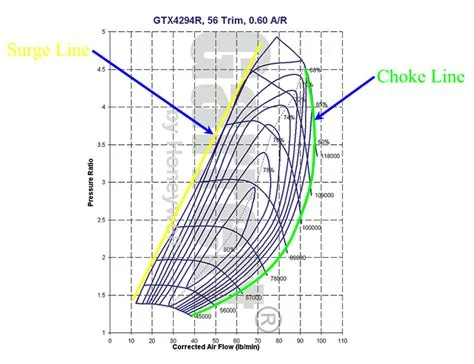
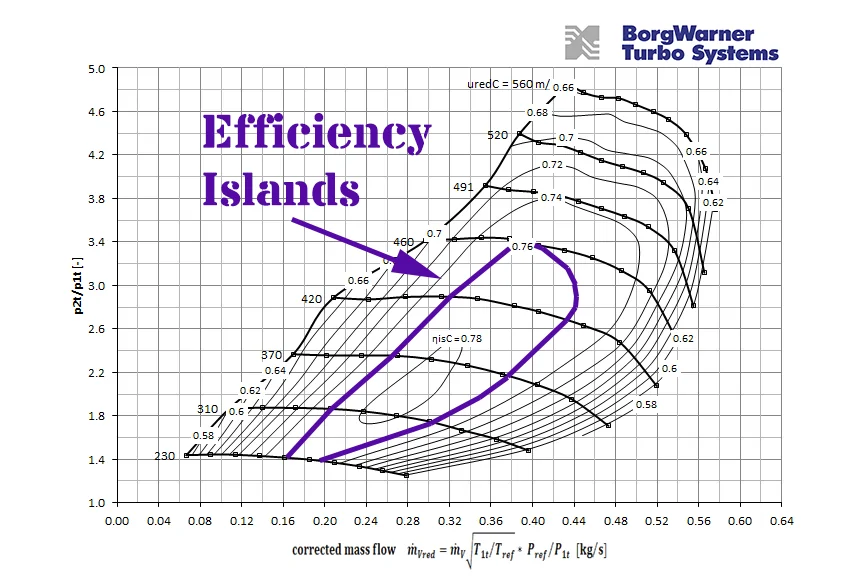
HOWEVER, there's a catch to that. Your driving the turbo's harder and more out of their efficiency range. So your working the turbo's harder to achieve the targeted air density. I have a bit of a working theory that a higher performance intercooler could extend the service life of the turbos' by reducing the peak pressure needed to achieve the target air density at WOT.

The reason is pretty simple, if the IC is transferring more heat from the compressed air than the factory unit while maintaining a similar or better pressure drop, then the ECU is not going to command as much boost / flow form the waste gates to achieve the optimal air density post IC, which means they are staying closer in on their efficiency curve where there is less compressor losses = less back pressure and thermal wase.

Ford Ranger Ranger Raptor Intercooler List Thread 1776168774171-59


Ford Ranger Ranger Raptor Intercooler List Thread 1776168522695-lt


You want to stay within the efficiency islands as much as possible. Now I would imagine the stock ECU mapping or the FP ECU mapping is taking all this into account, so I'm not saying Ford is pushing the turbo's way outside their efficiency islands, BUT, that doesn't mean you can't improve upon it with a more efficient IC.

As noted, you're not going to make MORE power. Rather you will make more EFFICENT and CONSISTENT power, especially in hot weather where the higher performing IC has more thermal capacity margine. Technically you're also off-loading the radiator a bit as well since the turbo's have a water jacket. The bearings are oil lubricated and oil cooled, the housing is water jacket cooled.

The best way to make more power is by efficiency. Sometimes you can get away with old school more bigger, better aka the hot rod method. It works, but often there are substantial trade-offs in efficiency at the cost of increased heat (more rapid part failures, less operating margin) and lower fuel efficiency, sometimes also drivability characteristics that are non-ideal.

I'm still of the mindset that the perfect trifecta for Ford Performance vehicles is FP Pro Cal, IC and TriboTEX In Situ DLC films with factory spec oil (particularly for oil pump belt compatibility).
 
Last edited:

Sponsored

DirtDerrick

Diamond Sponsor
First Name
Nathan
Joined
Mar 23, 2024
Threads
22
Messages
503
Reaction score
950
Location
Atlanta
Website
dirtderrick.com
Vehicle(s)
DFNDR,6.7HO,DrkHrse,Braptor,150Rap,RRap,WRX,Ranger
Occupation
People Person
I've got the CV Fabrication one but not installing yet. Don't see this added to the list. Anyone install it yet?
I run it. Does great over 700hp. Very similar to the rest, except the PW Stage 2 Monster.
 

DirtDerrick

Diamond Sponsor
First Name
Nathan
Joined
Mar 23, 2024
Threads
22
Messages
503
Reaction score
950
Location
Atlanta
Website
dirtderrick.com
Vehicle(s)
DFNDR,6.7HO,DrkHrse,Braptor,150Rap,RRap,WRX,Ranger
Occupation
People Person
Not to beat a dead horse here, but also considering some upgrades with the IC & pipes.

Based on looking through this forum, top 3 ICs are cobb, turbosmart, & Wagner. Cobb and turbosmart seem pretty similar in price and install... Wagner retains the rear shutter shroud but needs cutting and some miscellaneous trimming... anyone have some hard opinions on turbosmart or cobb?

Also, does anyone find value with changing charge pipes? Ive only seen CVF and AFE, any other considerations? Pricing between the 2 is a few hundred bucks.. any have a preference?

Chris
I'm still undecided on keeping the CVF. In your shoes, and depending on the budget, I'd recommend Turbosmart. But it's all about what's important to you.

Pipes I want to do, and was leaning towards CVF. After my experience with the CVF IC I'll probably go AFE. That being said the price of CVF pipes and IC isn't all that much more than just a Turbosmart IC. From a cost perspective CVF products are in the lead big time.
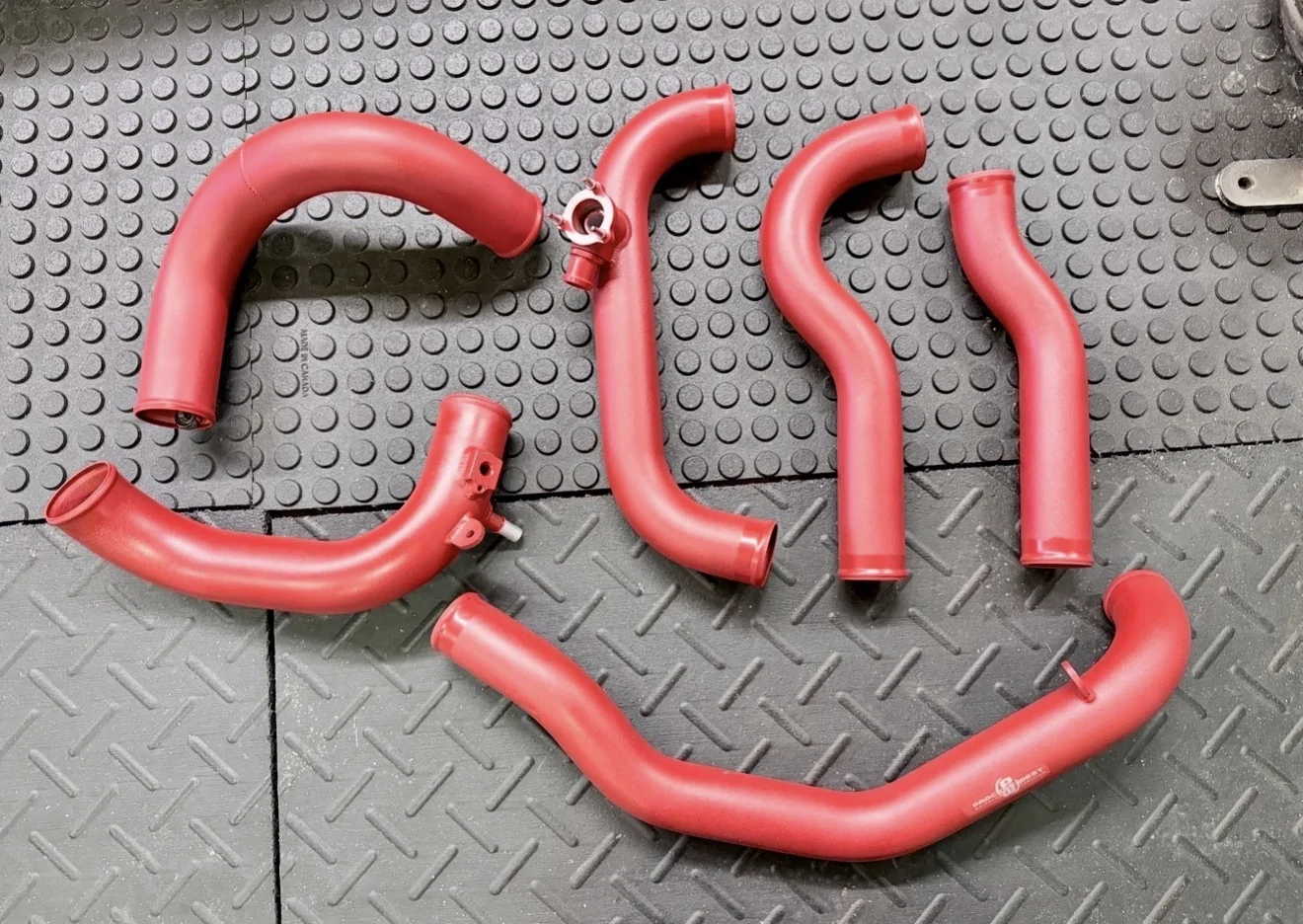
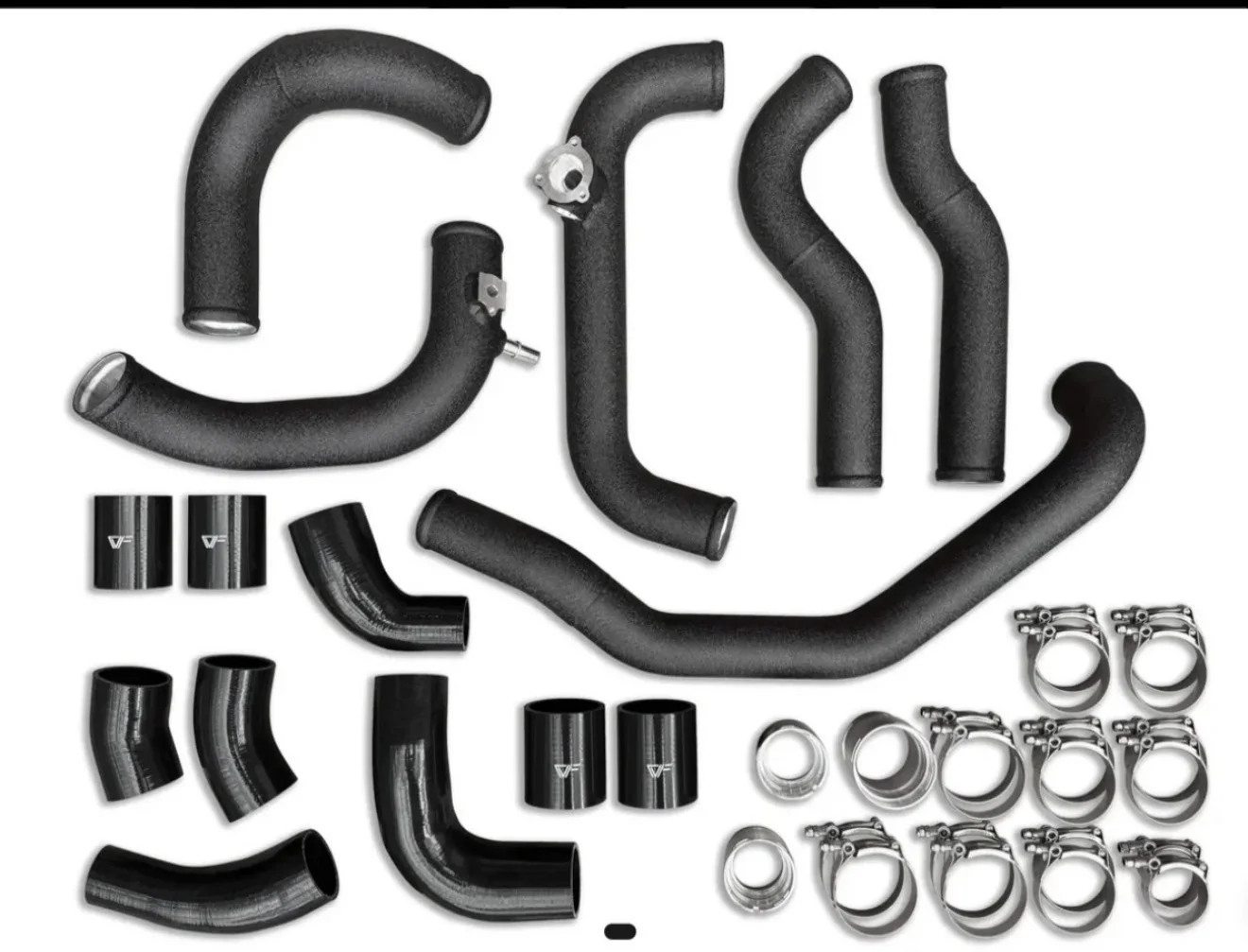
AFE pipes are a lot easier to install. They are smaller than CVF so the two hot pipes fit better. Also the entire bottom is a silicon/rubber whatever material boot so they are very easy to work with.

The CVFab are the same diameter as Process West (3" cold & 2.5" hots). AFE 2.25 hots. I tried to lay out the PW pipes similar to the CVFab so you can see the similarities

Ford Ranger Ranger Raptor Intercooler List Thread IMG_7109 3
Ford Ranger Ranger Raptor Intercooler List Thread IMG_7108 3
Ford Ranger Ranger Raptor Intercooler List Thread IMG_2858
 

DirtDerrick

Diamond Sponsor
First Name
Nathan
Joined
Mar 23, 2024
Threads
22
Messages
503
Reaction score
950
Location
Atlanta
Website
dirtderrick.com
Vehicle(s)
DFNDR,6.7HO,DrkHrse,Braptor,150Rap,RRap,WRX,Ranger
Occupation
People Person
Adding to this, the other side of the coin is that the ECU will increase boost pressure to compensate for heat to achieve a target air density. Air density is related to pressure and temperature. If the temp rises, you can pump in more air at a higher pressure to achieve the same density.

HOWEVER, there's a catch to that. Your driving the turbo's harder and more out of their efficiency range. So your working the turbo's harder to achieve the targeted air density. I have a bit of a working theory that a higher performance intercooler could extend the service life of the turbos' by reducing the peak pressure needed to achieve the target air density at WOT.

The reason is pretty simple, if the IC is transferring more heat from the compressed air than the factory unit while maintaining a similar or better pressure drop, then the ECU is not going to command as much boost / flow form the waste gates to achieve the optimal air density post IC, which means they are staying closer in on their efficiency curve where there is less compressor losses = less back pressure and thermal wase.

1776168774171-59.webp


1776168522695-lt.webp


You want to stay within the efficiency islands as much as possible. Now I would imagine the stock ECU mapping or the FP ECU mapping is taking all this into account, so I'm not saying Ford is pushing the turbo's way outside their efficiency islands, BUT, that doesn't mean you can't improve upon it with a more efficient IC.

As noted, you're not going to make MORE power. Rather you will make more EFFICENT and CONSISTENT power, especially in hot weather where the higher performing IC has more thermal capacity margine. Technically you're also off-loading the radiator a bit as well since the turbo's have a water jacket. The bearings are oil lubricated and oil cooled, the housing is water jacket cooled.

The best way to make more power is by efficiency. Sometimes you can get away with old school more bigger, better aka the hot rod method. It works, but often there are substantial trade-offs in efficiency at the cost of increased heat (more rapid part failures, less operating margin) and lower fuel efficiency, sometimes also drivability characteristics that are non-ideal.

I'm still of the mindset that the perfect trifecta for Ford Performance vehicles is FP Pro Cal, IC and TriboTEX In Situ DLC films with factory spec oil (particularly for oil pump belt compatibility).
thank you & I would have copied off of you in school.
 

Emanon

Member
Joined
Jan 5, 2026
Threads
1
Messages
11
Reaction score
5
Location
USA
Vehicle(s)
RR
Occupation
Analyst
AFE pipes are a lot easier to install. They are smaller than CVF so the two hot pipes fit better. Also the entire bottom is a silicon/rubber whatever material boot so they are very easy to work with.

The CVFab are the same diameter as Process West (3" cold & 2.5" hots). AFE 2.25 hots. I tried to lay out the PW pipes similar to the CVFab so you can see the similarities
You are da man! I'd decided I wasn't going with CVF. I'm not impressed with them. AFE are a lot more, but ease of install is worth it to me. I won't be chasing the biggest numbers, just a better soulution than the super soft and squishy OE rubber hoses. Those pipes with a Turbosmart IC, S&B intake and ProCal should be perfect.
 

Lion77

Well-Known Member
Joined
Feb 27, 2025
Threads
28
Messages
786
Reaction score
1,150
Location
United States
Vehicle(s)
2024 Ranger Raptor
Occupation
Electrical Engineer
The other caveat to driving the turbo's harder to generate more boost to compensate for air temp to achieve targeted air density is back pressure. So, as you move further up the pressure range and further out of the efficiency island, your losses from back pressure and heat increasingly off set any gains from driving up pressure to compensate.

At the end of the day, a more efficiency intercooler allows the turbos to stay in their efficiency islands more frequently because the ECU doesn't need to drive them as hard to compensate for temp-rise. Under ideal weather, aka, "turbo weather" in the 50-70F range, there's probably very limited gains from an IC.

In hot weather, 80's, 90's and up, you're going to see more benefits from an IC because it manages thermal waste much better at elevated ambient. So really, it's about making consistent power in worst case high temp conditions, but also avoiding the moisture issue that Ford encountered with the Gen 1 Ecoboost 3.5L where the factory IC was sized more like a "race spec" IC and was over cooling in humid / lower temp conditions, causing excessive moisture to build up on the intake side that lead to cylinder misfires and drivability issues.

I would NOT recommend a race sized IC for a street vehicle for that reason and also for lag due to the volume. I think most of the "OE replacement" sizes are a good balance between the two. Now for a big turbo engine with built bottom end...race size makes sense! It's all about sizing the core and optimizing it for the application.

Personally, I'll probably go with the Wagner unit. They all seem to cool about the same and have similar pressure drop, but the Wagner IC will fit with the stock shutters on the front and back, I want to preserve faster warm-up and highway fuel economy while also keeping IC temps below 150F on several back-to-back WOT pulls on road. I also want the radiator fan ducting to pull some air through the IC at low-speed crawling on hot days, my fans were running pretty good at the OHV park last summer as it was mostly 15~20 mph in sand, dirt and gravel, IC temps generally didn't exceed 130F with the factory IC and ducting, I also wasn't really in boost much either through and any bursts of speed dropped IC temps rapidly due to air flow.

About the only time I really see elevated charge temps is at higher speeds, WOT on pulls on road where the engine is seeing sustained high load.
Sponsored


Top