daytoncarter
Well-Known Member
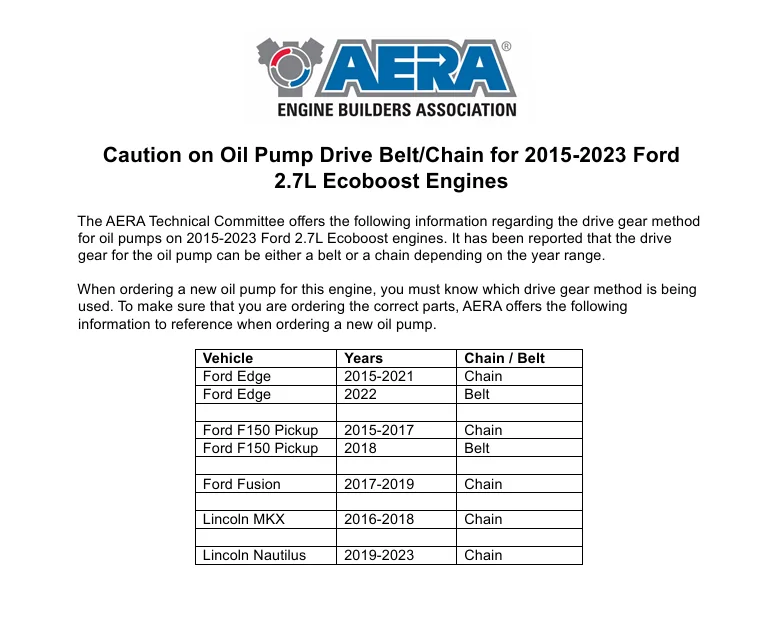
Respectfully, look closely at the picture you posted. See all that black material surrounding the yellow/gold Kevlar cords? That is rubber. Specifically, it is usually Hydrogenated Nitrile Butadiene Rubber (HNBR).The belts today are made with Kevlar not the rubber ingredients of old... See Pictures.
Kevlar is only there for tensile strength—it stops the belt from stretching or snapping. But the body of the belt and the teeth that actually engage the gears are made of elastomer (rubber).
- The Failure Mode: The Kevlar rarely fails. What fails is the rubber matrix chemically degrading from heat and acidic oil. Once the rubber gets brittle or swells, the teeth shear off. You're left with a perfectly strong Kevlar loop that spins freely while your oil pump stops.
- The Reality: Without that rubber binder, the Kevlar is just a pile of loose string. It is still a rubber part.
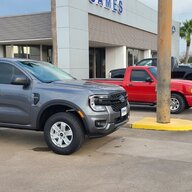
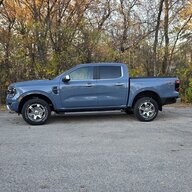
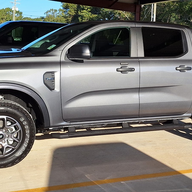
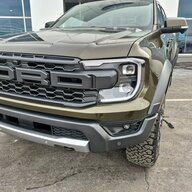
I hear you on the price, but there is a major difference in utility. Unlike the belt, which is a cost-cutting measure for EPA compliance that offers me zero user benefit, those $1,100 lights offer massive functional improvements. Further, you may not have noticed, but other owners of the XLT/XLs frequently complain about how ineffective their lights are. The Ranger Lariat's headlights are the best out of the seven vehicles I've owned.I personally have a bigger problem with headlight costing $1100 just for the part.
- Cornering Lights: They actually rotate/fire to let me see around turns safely.
- Matrix Function: They light up the ditches and my lane without blinding oncoming traffic (glare-free high beams, once fully enabled).
Sponsored
 . Some me some actual statistical failure data and the causes. Show me some actual data on 100k vehicles from Ford or another manufacturer of engine failure rates, their causes and the percentage of them attributed to oil cooled oil pump belts.
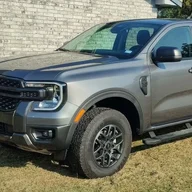
 zero complaints for visibility for me. Fog lights light up for cornering when wheel is turned. Cost hell yes but it's a new vehicle! The wonderful EPA probably cost us 30% of the vehicles cost today, if not more, for manufactures to comply with.